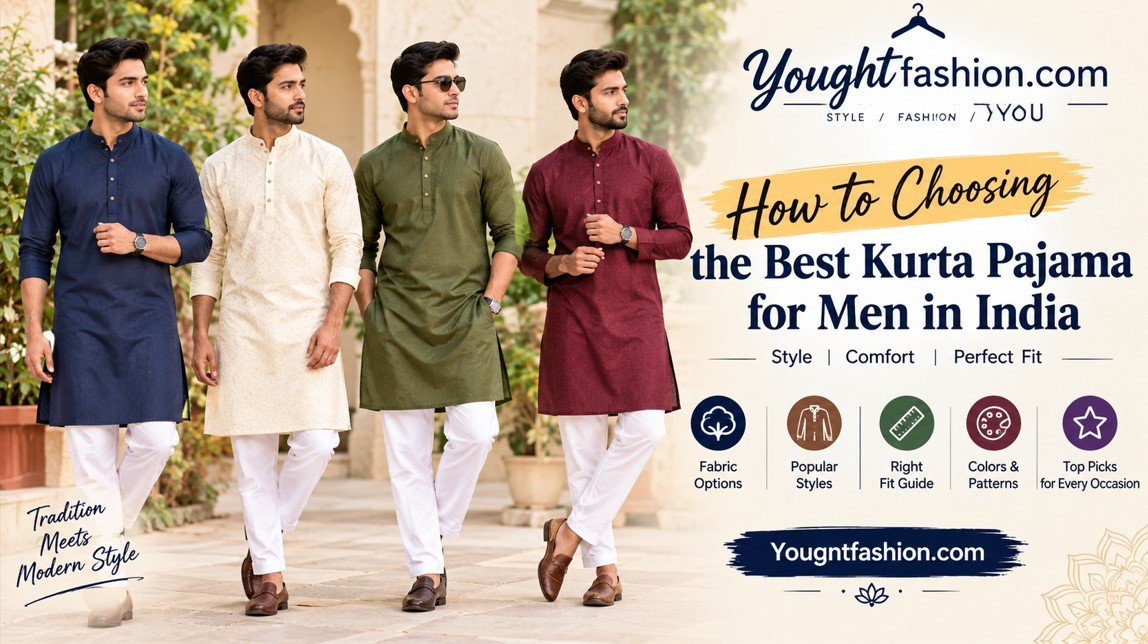
How to Choosing the Best Kurta Pajama for Men in India
Traditional Indian fashion has undergone a massive transformation over the past decade. Among the most versatile and timeless garments in a man’s wardrobe is the classic kurta pajama for men. Whether you are attending a grand wedding, celebrating a festive occasion like Diwali or Eid, or simply stepping out for a casual family gathering, this outfit offers unmatched comfort and undeniable elegance.
Finding the right ethnic wear can sometimes feel overwhelming. With countless fabrics, cuts, colors, and styling options available across India today, making the correct choice requires a bit of knowledge. You want a garment that respects tradition while reflecting your personal style.
In this comprehensive guide, we will walk you through everything you need to know about men’s kurta pajamas. From understanding the rich history behind the attire to selecting the perfect fabric for the Indian climate, this article provides actionable advice. We will explore modern styling techniques, maintenance tips, and the latest trends so you can make an informed, confident purchase.
The Evolution of Men’s Ethnic Wear
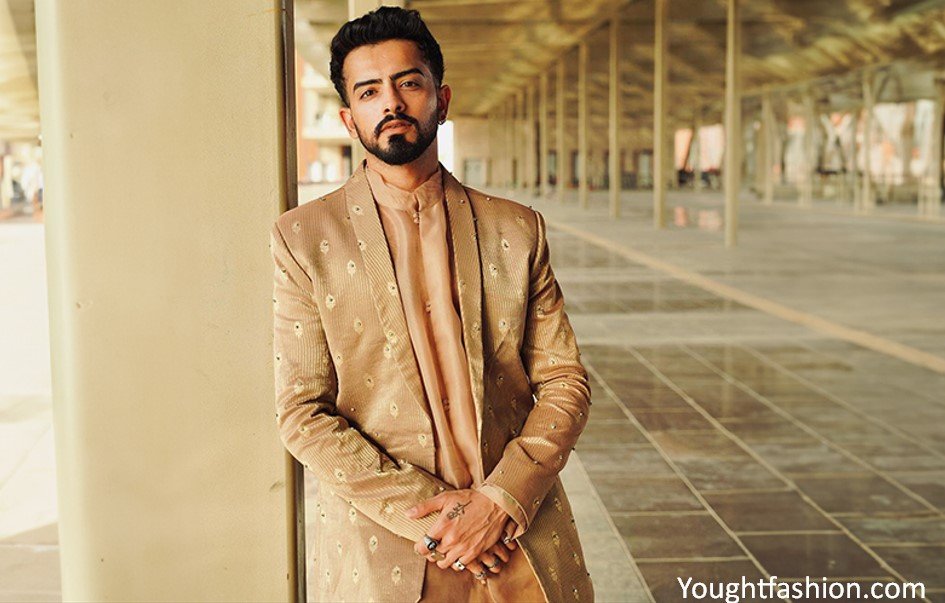
The history of the kurta dates back centuries, originating from the nomadic tunics worn in Central Asia. When these loose, comfortable garments arrived in the Indian subcontinent, they were quickly adopted due to their breathability and ease of movement. Over time, regional artisans infused their local craftsmanship into the attire.
Historically, royal courts heavily influenced the design of ethnic wear. Kings and noblemen wore heavily embroidered silk kurtas paired with churidar pajamas or flowing dhotis. These garments symbolized status, wealth, and refined taste.
Today, the modern kurta pajama has evolved into a global fashion statement. Top Indian designers continually reinvent the silhouette, introducing asymmetrical cuts, innovative drapes, and minimalist aesthetics. Despite these modern updates, the core essence of the outfit remains unchanged. It continues to represent a perfect blend of cultural pride and modern functionality.
Popular Types of Kurta Pajama for Men
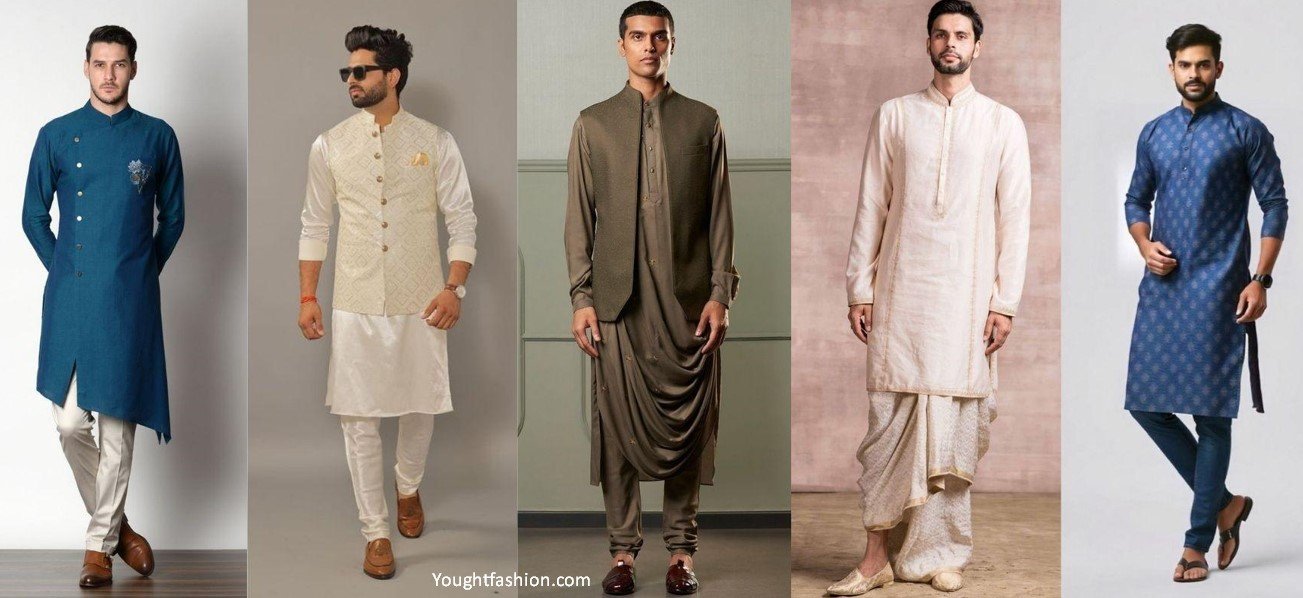
When shopping for ethnic wear, understanding the different styles available is crucial. Each design serves a distinct purpose and carries a unique vibe.
1. The Classic Straight Kurta
The straight-cut kurta is the foundational staple of Indian ethnic wear. It falls straight down to the knees or mid-calf and features slits on both sides. This style is incredibly versatile. You can wear a simple cotton straight kurta at home, or choose a heavily embroidered version for a wedding reception.
2. The Pathani Suit
Originating from the North-Western regions, the Pathani suit exudes a rugged, masculine charm. It typically features a collared neckline, rolled-up sleeves, and front chest pockets. The silhouette is slightly looser, making it incredibly comfortable. It pairs best with a matching, slightly baggy salwar instead of a fitted churidar.
3. Lucknowi Chikankari Kurta
Nothing speaks of subtle elegance quite like a Chikankari kurta. This style features delicate, intricate hand-embroidery originating from Lucknow. Traditionally done on lightweight fabrics like georgette, cotton, or chanderi, Chikankari is the ultimate choice for daytime events, summer weddings, and Haldi ceremonies.
4. Asymmetric Kurta
For the fashion-forward man, the asymmetric kurta offers a contemporary twist. Instead of a straight hemline, the bottom edge is cut diagonally or in an irregular pattern. This high-low hem creates a visually striking silhouette. It is a fantastic choice for cocktail parties or Sangeet nights where you want to stand out.
5. The Cowl Drape Kurta
Draped kurtas feature extra fabric pleated and folded to create a cowl effect, usually around the neckline or the lower hem. This design adds volume and a regal touch to the outfit. Because of the heavy draping, these are best suited for formal occasions and groom squads.
6. The Short Kurta (Kurti)
Ending right at the hips or mid-thigh, the short kurta is the ultimate casual ethnic wear. It bridges the gap between a traditional shirt and a long tunic. Men frequently pair short kurtas with classic blue jeans or chinos for college festivals, casual Fridays at work, or weekend outings.
Choosing the Right Fabric for the Indian Climate
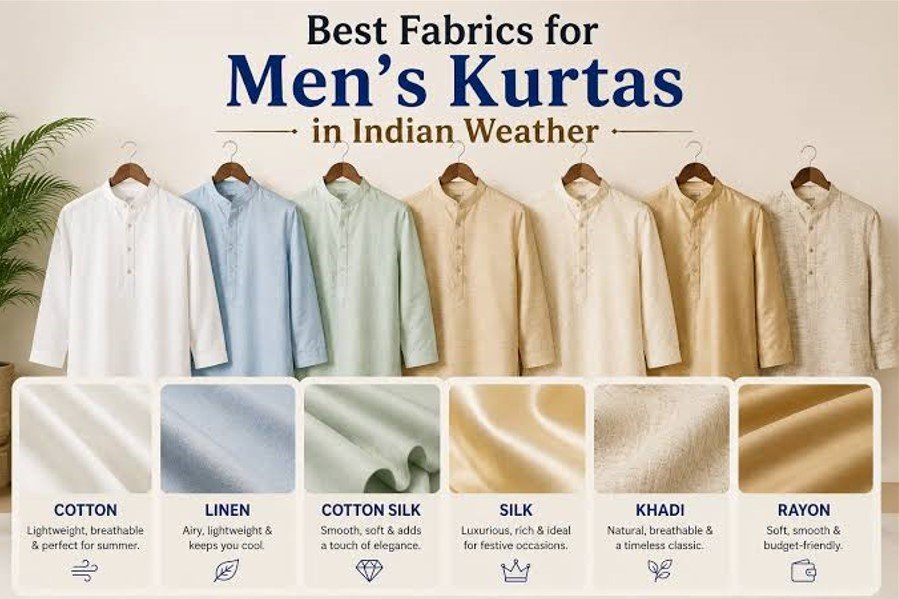
India experiences diverse weather patterns, making fabric selection a critical factor. Wearing the wrong material can ruin your experience, no matter how beautiful the outfit looks.
Breathable Cotton
Cotton is the undisputed king of Indian summers. It absorbs sweat efficiently and allows air circulation, keeping your body cool. A basic cotton kurta pajama is a must-have for daily wear, small pujas, and casual daytime socializing.
Luxurious Silk and Silk Blends
When the occasion demands grandeur, silk is the answer. Pure silk, Banarasi silk, and Art silk offer a natural sheen that catches the light beautifully. These fabrics are heavier and retain heat, making them ideal for winter weddings and evening receptions.
Sophisticated Linen
Linen offers a highly sophisticated, slightly textured look. It is just as breathable as cotton but falls with a slightly stiffer structure. While linen wrinkles easily, these natural creases are part of the fabric’s relaxed charm. A pastel linen kurta is perfect for a destination beach wedding.
Regal Jacquard and Brocade
Jacquard and brocade fabrics feature raised patterns woven directly into the material. They are thick, structured, and inherently festive. You will rarely need extra embroidery on a brocade garment because the fabric itself is decorative. Reserve these for the main wedding day or major festivals like Diwali.
Sustainable Khadi
Khadi is a handspun, natural fiber cloth that holds deep historical significance in India. It naturally adjusts to body temperature, keeping you warm in winter and cool in summer. Khadi kurtas offer an earthy, raw aesthetic that appeals to minimalists.
Finding Your Perfect Fit and Body Type Guidelines
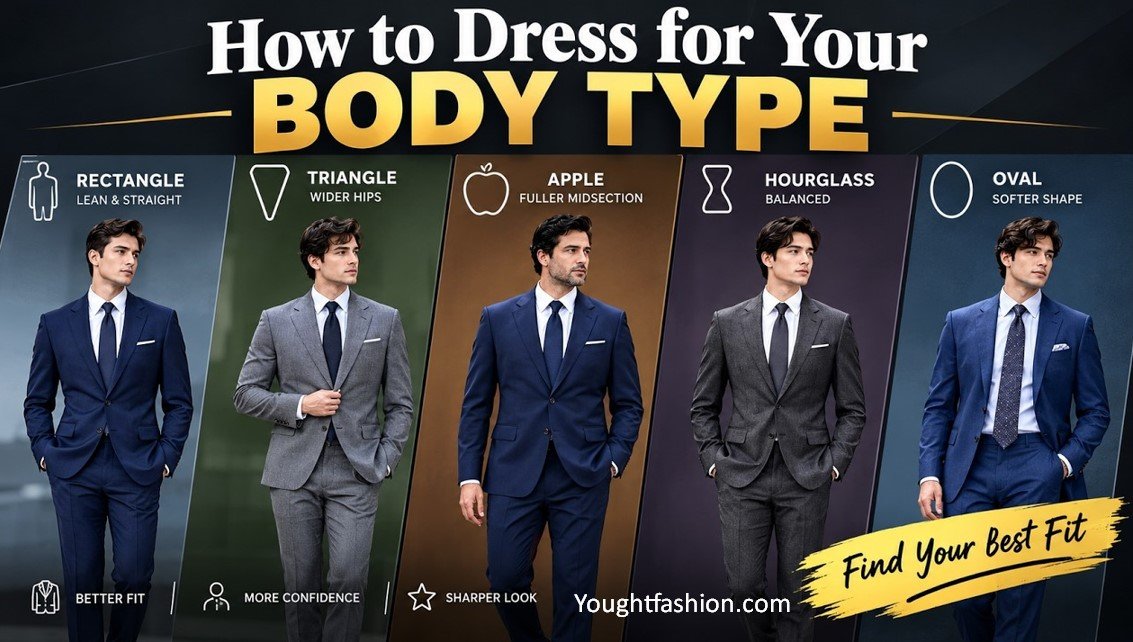
A well-tailored outfit elevates your appearance instantly. Wearing ill-fitting ethnic wear can make you look sloppy or restrict your movement.
Understanding the Fit
- Shoulders: The shoulder seams must sit exactly at the edge of your natural shoulders.
- Chest: You should have about two inches of breathing room around your chest. A kurta is not meant to fit as tightly as a gym t-shirt.
- Sleeves: Traditional full sleeves should end right at the wrist bone. They should not swallow your hands.
- Length: A standard long kurta should end just below the knees.
Guidelines for Different Body Types
- Tall and Lean: You can easily carry off long, flowing fabrics. High necklines like Mandarin collars work perfectly. Opt for layered looks and draped kurtas to add volume to your frame.
- Broad or Muscular: The Pathani style is your best friend. It highlights broad shoulders while offering enough room for muscular arms. Avoid overly tight churidars; choose straight pajamas or salwars instead.
- Stocky or Heavy-set: Stick to dark, solid colors to create a slimming illusion. Vertical subtle prints or minimalist thread work help elongate your profile. Avoid bulky draping or stiff brocade fabrics that add unnecessary width.
Kurta Pajama vs. Sherwani: A Quick Comparison
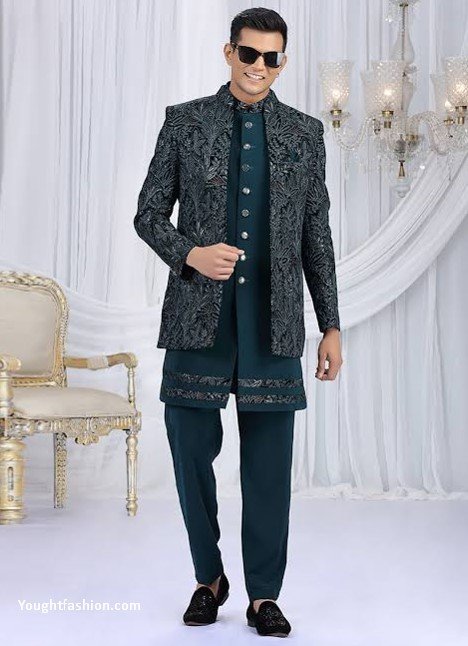
Many men get confused between choosing a standard kurta set and a heavy sherwani for major events. Here is a clear breakdown to help you decide.
| Feature | Kurta Pajama | Sherwani |
| Structure | Loose, flowing, and highly breathable. | Stiff, heavily structured, often padded at the shoulders. |
| Layering | Worn as a base layer; can be topped with a jacket. | Worn as an outer coat over a base kurta. |
| Weight | Lightweight to medium weight. | Very heavy due to lining and extensive embroidery. |
| Best Occasion | Haldi, Mehendi, Sangeet, Festivals, Casual wear. | The main Wedding Ceremony (Groom), Grand Receptions. |
| Comfort Level | Extremely high; easy to dance and move in. | Restrictive; suited mostly for formal standing/sitting. |
| Cost | Generally more affordable and versatile. | High investment; usually worn only a few times. |
Styling Tips: Elevating Your Ethnic Look
Buying a great kurta pajama for men is only half the battle. How you style it dictates the final impact. By paying attention to layering and accessories, you can create multiple looks from a single outfit.
1. Master the Nehru Jacket (Bundi)
The easiest way to upgrade a plain kurta is by layering it with a Nehru jacket. Also known as a Modi jacket or Bundi, this sleeveless vest completely transforms your silhouette.
- Contrast is Key: Pair a vibrant floral printed jacket over a solid white or black kurta. Conversely, wear a solid, textured jacket over a printed kurta.
- Fit: The jacket must fit snugly across the chest and end precisely where your belt buckle would sit.
2. Choose the Right Lower Wear
While the term is “kurta pajama”, the “pajama” can take many forms:
- Churidar: Tightly fitted around the calves with stacked folds (churis) at the ankles. Excellent for formal, tailored looks.
- Straight Pants: Modern, comfortable, and similar to formal trousers. Best for men who find churidars too restrictive.
- Aligarh Pajama: A straight, slightly loose pajama that flares slightly at the bottom. Very traditional and comfortable.
- Dhoti: For a deeply cultural and bold statement, swap the pajama for a ready-to-wear dhoti.
3. Footwear Matters
Never wear running shoes or formal oxford leather shoes with traditional Indian wear.
- Mojaris and Juttis: These are the traditional flat shoes made of leather, often featuring embroidery. They complete the ethnic look flawlessly.
- Kolhapuri Chappals: Ideal for casual cotton kurtas and summer daytime events.
- Leather Loafers: If you prefer Western footwear, a sleek pair of suede or leather loafers without socks bridges the gap nicely.
4. Accessorize Wisely
Men’s ethnic accessories should be subtle but impactful.
- Pocket Square: If wearing a Nehru jacket, a silk pocket square adds a dash of color.
- Brooch: A metallic brooch on your jacket lapel provides a royal touch for weddings.
- Watch: Ditch the digital smartwatch. Wear an elegant analog watch with a leather or metallic strap.
- Dupatta (Stole): A heavily embroidered or crushed silk dupatta draped over one shoulder is a fantastic way for groomsmen to elevate their outfits.
Color Trends for the Modern Indian Man
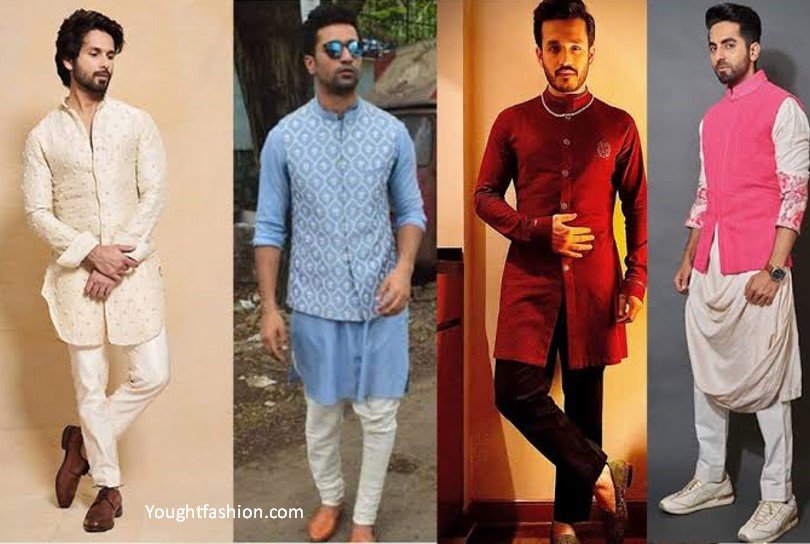
Color theory plays a massive role in Indian fashion. While traditional reds and golds will always have their place, modern trends have shifted significantly.
The Rise of Pastels
Pastel shades have dominated the ethnic menswear market recently. Colors like mint green, blush pink, powder blue, and lavender are highly sought after. These shades are incredibly soothing and look spectacular during daytime functions under natural sunlight.
Monochromatic Magic
Wearing the same color from head to toe creates a sleek, uninterrupted visual line that makes you look taller. A midnight blue kurta paired with a midnight blue churidar and a matching jacket exudes ultimate sophistication.
Earthy Tones
For autumn and winter festivities, earthy tones are making a strong comeback. Think rust orange, olive green, mustard yellow, and deep terracotta. These colors feel grounded, masculine, and pair beautifully with traditional gold jewelry or brass accessories.
Classic Black and White
You can never go wrong with a crisp white cotton kurta—it is the epitome of effortless grace. Similarly, a solid black silk kurta radiates mystery and sharp style, perfect for evening cocktail parties.
Pros and Cons of Wearing a Kurta Pajama
To provide a fully balanced perspective, it is important to understand the practical advantages and slight drawbacks of this garment.
Pros
- Unmatched Comfort: The loose fit allows for excellent air circulation and ease of movement.
- High Versatility: You can dress it up with a jacket or dress it down by wearing it with jeans.
- Cultural Connection: It instantly connects you to Indian heritage and traditions.
- Suitable for All Ages: From toddlers to grandfathers, the silhouette flatters every age group.
- Body Inclusivity: Unlike tailored Western suits that require precise proportions, flowing tunics easily accommodate fluctuating body weights.
Cons
- Wrinkle-Prone Fabrics: Materials like cotton and linen crease very quickly, requiring thorough ironing before wear.
- Winter Limitations: A standard cotton or silk kurta provides zero insulation. You must layer heavily with thermals or thick jackets during cold North Indian winters.
- Maintenance of Embellishments: Heavily embroidered pieces require expensive dry cleaning and careful storage to prevent thread damage.
Complete Maintenance and Care Guide
Investing in good ethnic wear requires a commitment to proper maintenance. Taking care of your garments ensures they last for years and look brand new for every festive season.
Washing Instructions
- Cottons and Linens: Wash these gently in cold water. Use a mild detergent to prevent the color from fading. You can lightly starch cotton kurtas to keep them crisp.
- Silks and Brocades: Strictly dry clean only. Washing silk at home can destroy the fabric’s natural sheen and cause irreversible shrinkage.
- Embroidered Garments: Never scrub areas with heavy Zari (metallic thread) or mirror work. If a localized stain occurs, spot-clean it carefully with a damp cloth.
Drying and Ironing
- Never wring out your delicate ethnic wear. Gently squeeze the water out and dry them in the shade. Direct Indian summer sunlight will fade vibrant dyes very quickly.
- Always iron garments inside out, especially if they have prints or embroidery. For silk, use the lowest heat setting on your iron or use a garment steamer.
Storage Tips
- Do not hang heavy, stone-studded garments on standard wire hangers; the weight will stretch the shoulders out of shape. Fold them neatly.
- Wrap expensive silk outfits in pure cotton muslin cloths before storing them. Muslin allows the fabric to breathe while protecting it from dust and moisture.
- Place dried neem leaves or silica gel packets in your wardrobe to keep moths and humidity away.
Frequently Asked Questions (FAQs)
1. Can I wear a kurta pajama to a formal office event?
Yes, provided you choose the right style. Opt for a subtle, solid-colored linen or cotton piece without heavy embroidery. Pair it with straight pants and a tailored Nehru jacket to maintain a professional yet cultural appearance.
2. Which footwear looks best with a casual short kurta?
For a short kurta worn with jeans, casual footwear like leather sandals, traditional Kolhapuris, or even minimalist white sneakers work beautifully. Avoid formal black dress shoes.
3. How long should a traditional kurta be?
A classic straight cut should fall an inch or two below your kneecaps. If it sits above the knee, it borders on being a short kurti. If it reaches your ankles, it becomes a specialized draped garment.
4. Is it necessary to wear a churidar?
Not at all. While churidars offer a classic formal look, many men find them restrictive around the calves. You can easily substitute them with straight-cut pajama pants, Aligarh pants, or even well-fitted trousers.
5. How can I look slimmer in a kurta?
Choose dark, solid colors like navy blue, charcoal grey, or black. Avoid heavy, bulky fabrics like brocade. Instead, choose lightweight materials like georgette or fine cotton that drape naturally over your body. Vertical pintucks or placket embroidery also help elongate your frame.
6. What is the difference between a Pathani and a regular kurta?
A regular style usually features a Mandarin collar and a straight hem. A Pathani suit features a standard shirt collar, buttoned cuffs, front chest pockets, rounded hemlines, and is paired with a loose salwar instead of a fitted pajama.
7. Can I wear jeans with a long kurta?
Yes, mixing Indo-Western styles is very popular. You can wear a knee-length straight kurta with slim-fit denim jeans. Roll up the sleeves for a relaxed, festive-casual look.
8. How do I maintain the crispness of a cotton kurta?
To maintain a crisp, stiff look, you should use liquid fabric starch during the final rinse of your wash cycle. Iron the garment while it is still slightly damp using a high-heat cotton setting.
9. Are pastel colors appropriate for evening events?
While pastels are traditionally favored for daytime events, you can wear them in the evening if the fabric has a subtle sheen (like silk) or features light reflective embroidery like sequins or mirror work.
10. What accessories should a groom wear with his kurta pajama?
A groom should elevate his look with a regal Safa (turban), a multi-layered pearl necklace (mala), an embroidered stole (dupatta), and traditional Mojaris. A jeweled brooch on the turban or jacket adds a final touch of royalty.
Conclusion
The kurta pajama for men is much more than just a traditional outfit; it is an enduring symbol of cultural identity, comfort, and timeless elegance. As the landscape of Indian men’s fashion continues to evolve, this classic garment adapts seamlessly, offering options for the minimalist, the traditionalist, and the modern trendsetter alike.
By understanding the distinct types of fabrics, paying close attention to fit and proportions, and mastering the art of layering with jackets and accessories, you can transform a simple tunic into a show-stopping ensemble. Whether you are navigating the heat of a summer festival in breathable Chikankari or attending a winter wedding in luxurious Banarasi silk, making an informed choice guarantees you will look and feel your absolute best.
Invest in high-quality materials, prioritize your personal comfort, and do not be afraid to experiment with modern colors and contemporary cuts. Ultimately, the best ethnic wear is the one worn with confidence. Update your wardrobe today and embrace the majestic charm of traditional Indian fashion.