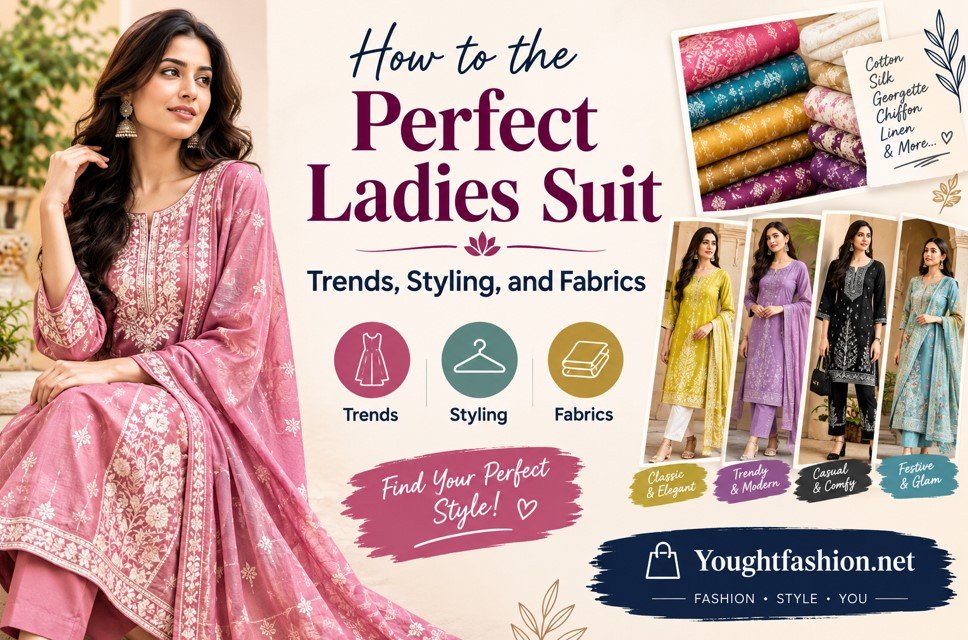
How to the Perfect Ladies Suit: Trends, Styling, and Fabrics
The ladies suit is the undisputed backbone of ethnic fashion in India. Whether you call it a salwar kameez, a Punjabi suit, or a modern co-ord set, this versatile garment has evolved dramatically over the decades. Today, it beautifully bridges the gap between deep-rooted Indian traditions and fast-paced modern lifestyles.
Unlike the saree, which requires intricate draping, or western wear, which may not suit every traditional occasion, a well-tailored suit offers unmatched comfort, elegance, and mobility. From college girls wearing breezy cotton kurtas to brides donning heavily embroidered Anarkalis, this outfit caters to every age, body type, and event.
In this comprehensive guide, we will explore everything you need to know about this iconic attire. You will learn how to choose the right fabric for the Indian climate, discover the latest silhouette trends, understand how to dress for your specific body shape, and master the art of styling. Whether you are shopping for daily office wear or a grand festive occasion, this guide will help you make an informed, stylish decision.
The Evolution of the Ladies Suit in India
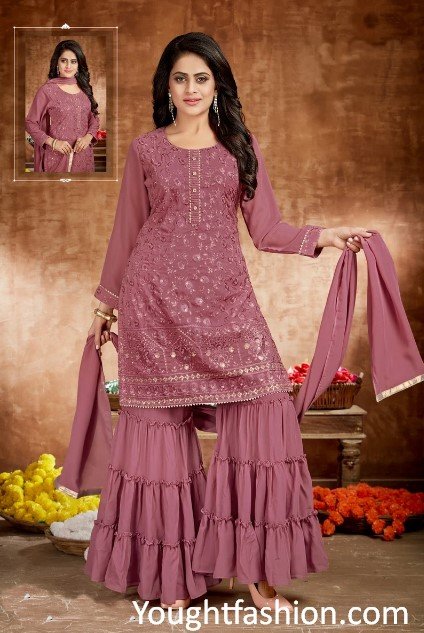
The history of the salwar kameez dates back to the Mughal era, where it was introduced as a functional yet regal garment featuring flowing tunics and gathered trousers. Over the centuries, regional influences across the Indian subcontinent transformed this basic silhouette into a diverse array of styles.
In Punjab, the suit took on a voluminous form with the iconic Patiala salwar. In Lucknow, the focus shifted to the delicate Chikankari embroidery on straight-cut kurtas. Fast forward to the 21st century, and the outfit has absorbed global fashion sensibilities. Today, Indian women effortlessly rock Indo-western pant suits, asymmetrical hemlines, and cape-style dupattas. The garment has transitioned from strictly traditional attire to a canvas for avant-garde fashion designers, proving its timeless adaptability.
Popular Types of Ladies Suits for Every Occasion
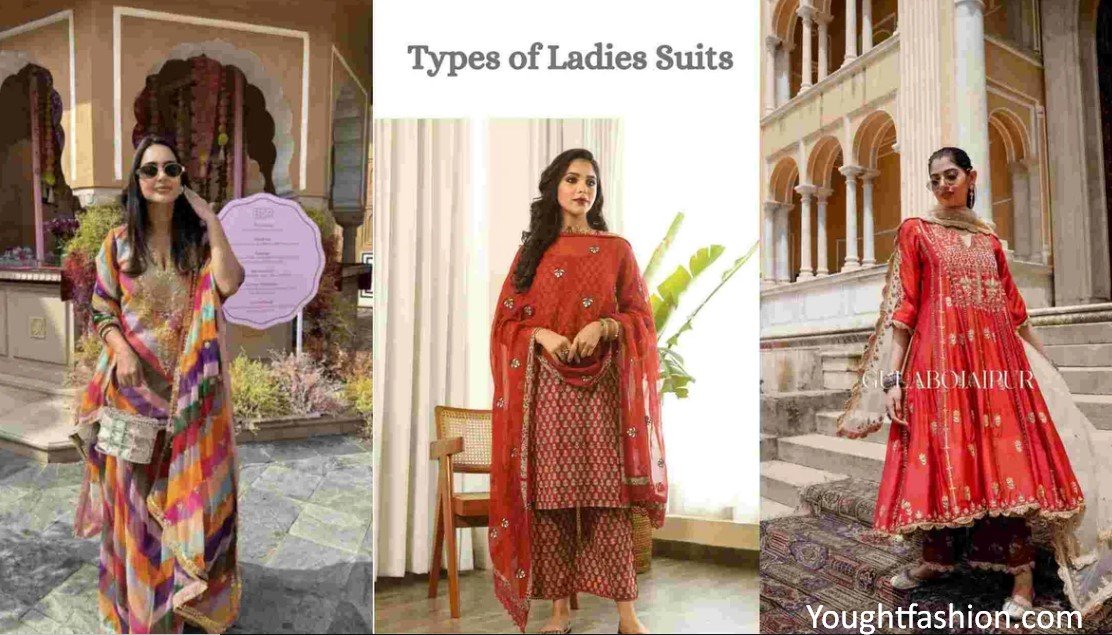
Understanding the different silhouettes is crucial for dressing appropriately for various events. Here are the most prominent styles dominating the Indian fashion scene.
The Classic Anarkali Suit
Characterized by a frock-style top that flares out from the empire line, the Anarkali creates a majestic, royal look.
- Best for: Weddings, receptions, and grand festivals like Diwali or Eid.
- Styling tip: Pair a floor-length Anarkali with high heels to accentuate the flare and prevent the hem from dragging.
The Traditional Punjabi Salwar Suit
This consists of a short, fitted kameez (tunic) paired with a heavily pleated salwar (trousers). It allows for maximum movement and breathes beautifully.
- Best for: Daily wear, cultural events, and college functions.
- Styling tip: Add a vibrant, contrasting Phulkari dupatta to instantly elevate a plain Punjabi suit.
Palazzo Suits and Shararas
Replacing traditional fitted bottoms with wide-legged palazzos or flared shararas adds a modern, breezy twist to ethnic wear. A sharara is fitted at the thigh and flares out at the knee, while a palazzo is wide from the waist down.
- Best for: Mehendi ceremonies, sangeets, and summer parties.
- Styling tip: Opt for short, heavily embroidered kurtis with shararas to highlight the intricate flare of the pants.
Straight Cut Suits
Sleek, professional, and slimming, the straight-cut kurta falls parallel to your legs and is usually paired with churidars or cigarette pants.
- Best for: Office wear, formal meetings, and casual outings.
- Styling tip: Choose minimal prints and pair them with a sleek watch and structured tote bag for a sharp corporate look.
Indo-Western Pant Suits
Fusing the Indian tunic with cropped, tailored western-style trousers, this style often ditches the traditional dupatta altogether or replaces it with a stylized jacket or cape.
- Best for: Cocktail parties, upscale dinners, and modern festive gatherings.
- Styling tip: Accessorize with a metallic belt cinched at the waist to define your silhouette.
Fabric Guide: Choosing the Right Material
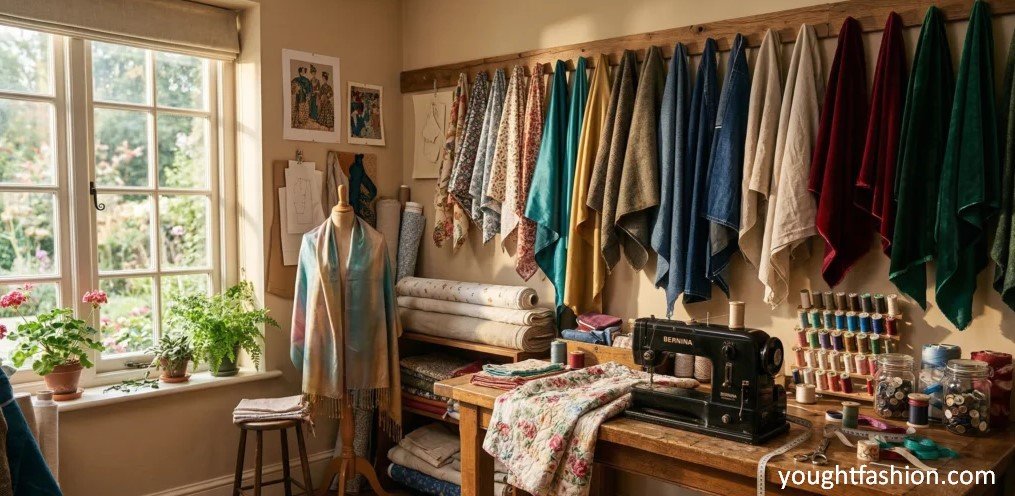
The success of a ladies suit largely depends on its fabric. The Indian climate demands careful consideration of materials to ensure comfort without sacrificing style.
Pure Cotton for Daily Wear
Cotton is the undisputed king of Indian summers. It is highly breathable, absorbs sweat efficiently, and comes in vibrant block prints like Ajrakh, Kalamkari, and Ikat.
- Maintenance: Requires regular ironing and occasional starching to maintain crispness.
Luxurious Silk and Chanderi for Weddings
For opulent events, fabrics like Banarasi silk, raw silk, and Chanderi offer a natural sheen and structure. They hold heavy embroidery exceptionally well and drape elegantly.
- Maintenance: Strict dry-cleaning only. Store wrapped in muslin cloth to prevent the zari (metallic thread) from tarnishing.
Flowy Georgette and Chiffon
If you want a silhouette that hugs your curves and flows beautifully, georgette and chiffon are ideal. They are lightweight and perfect for creating voluminous garments like Anarkalis and Shararas without adding bulk to your frame.
- Maintenance: Wash gently by hand. Snags easily, so keep away from sharp jewelry.
Velvet for Winter Festivities
Velvet has made a massive comeback for North Indian winter weddings. It provides warmth, looks incredibly rich in dark jewel tones, and serves as an excellent base for heavy Zardozi embroidery.
- Maintenance: Dry-clean only. Never iron directly on the pile; always steam from the inside.
Neckline and Sleeve Designs: Tailoring Secrets
A simple piece of cloth transforms into a masterpiece through expert tailoring. The neckline and sleeves frame your face and dictate the overall vibe of the outfit.
Trending Necklines:
- Sweetheart Neck: Flattering for almost all body types, perfect for showcasing heavy necklaces.
- Boat Neck: Elegant and sophisticated, ideal for corporate wear or minimalist festive outfits.
- Keyhole Neck: Adds a playful, modern touch to traditional straight-cut kurtas.
- V-Neck: Creates an illusion of height and elongates the neck, making it a great choice for petite women.
Trending Sleeves:
- Bell Sleeves: Wide and flowy at the hem, adding a retro, dramatic flair.
- Churidar Sleeves: Extra-long sleeves that form gathers (churis) at the wrist, offering a traditional, regal look.
- Cape Sleeves: Attached to the shoulders, these eliminate the need for a dupatta and provide a highly modern silhouette.
Embroidery and Handwork: The Soul of Indian Ethnic Wear
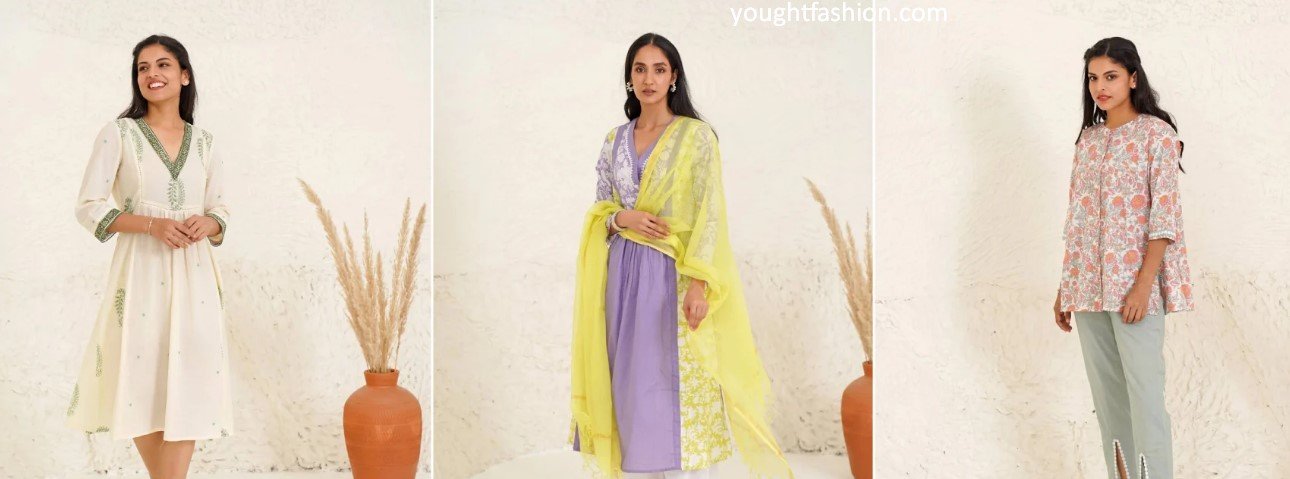
India’s rich textile heritage is reflected in the diverse embellishments found on ladies suits. Knowing your embroideries helps you appreciate the garment and dress appropriately for the region and occasion.
- Chikankari (Lucknow): Delicate, shadow-work embroidery traditionally done with white thread on pastel georgette or cotton. Perfect for day events and summer wear.
- Zardozi (Persian influence): Heavy, metallic threadwork utilizing gold and silver wires, beads, and pearls. Reserved for bridal and heavy festive wear.
- Phulkari (Punjab): Vibrant, geometric floral embroidery done with silk threads on cotton khaddar. Ideal for vibrant daytime functions.
- Gota Patti (Rajasthan): Appliqué work using ribbons of gold or silver lace. It looks incredibly heavy and festive but is surprisingly lightweight to wear.
Body Shape Guide: Finding Your Flattering Fit
Fashion is not one-size-fits-all. Understanding your body shape allows you to choose a ladies suit that highlights your best features.
- Apple Shape (Heavier midsection): Opt for A-line kurtas or Anarkalis that flare comfortably from the empire waist, drawing attention away from the stomach. Deep V-necks help elongate the torso.
- Pear Shape (Wider hips and thighs): Choose straight-cut suits paired with palazzos. A heavily embellished neckline will draw the eye upward, balancing your proportions.
- Hourglass Shape (Well-defined waist): Fitted kurtas with a cinched waist look stunning. You can easily pull off peplum-style short kurtis with fitted dhoti pants or mermaid-cut skirts.
- Rectangle Shape (Straight silhouette): Create the illusion of curves by wearing voluminous Patiala salwars or heavily layered Anarkalis. Avoid shapeless, baggy tunics.
Comparison: Ready-Made vs. Unstitched vs. Semi-Stitched
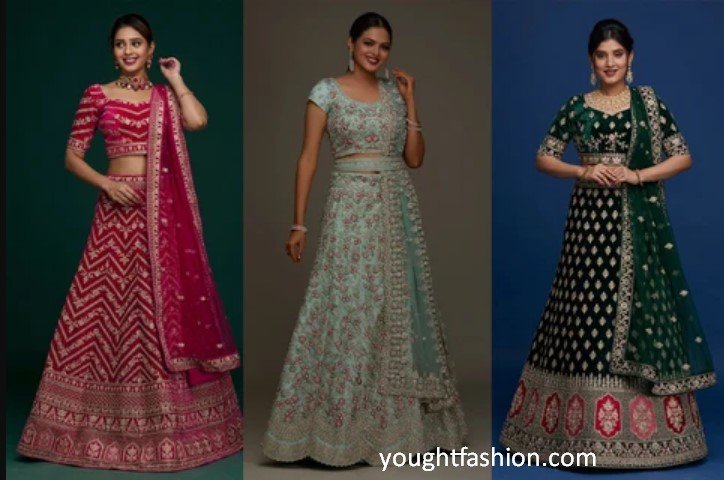
When shopping for ethnic wear, you will encounter three main categories. Here is a breakdown to help you choose.
| Feature | Ready-Made Suits | Unstitched Materials | Semi-Stitched Suits |
| Definition | Fully sewn, ready to wear off the rack. | Raw fabric pieces for the top, bottom, and dupatta. | Pre-cut neckline and hem, but sides are left open for fitting. |
| Best For | Last-minute events, standard body sizes. | Total customization, unique body proportions. | Heavy designer wear requiring perfect waist/bust fitting. |
| Time Required | Instant purchase. | 1–3 weeks depending on your tailor. | 2–5 days for basic side and sleeve stitching. |
| Customization | Very low (only minor alterations possible). | Very high (choose your own neck, sleeves, and bottom style). | Medium (silhouette is fixed, but fit is customized). |
| Cost | Fixed retail price. | Fabric cost + Tailoring charges. | Often premium priced, plus minor tailoring fees. |
Pros and Cons of Wearing a Ladies Suit
While the salwar kameez is a staple, it helps to weigh its advantages and minor drawbacks against other traditional options like the saree or lehenga.
Pros:
- Unmatched Mobility: Unlike a saree, you don’t have to worry about tripping over pleats. You can walk, dance, and commute with complete freedom.
- Time-Saving: Slips on in seconds without the need for complex draping or safety pins.
- Versatility: The components can be mixed and matched. You can wear a heavy dupatta with a plain suit or pair the kurta with jeans for an Indo-western look.
- Weather Adaptable: Available in varying lengths and fabrics to suit both scorching summers and chilly winters.
Cons:
- Tailoring Dependency: If you buy unstitched fabric, finding a reliable and skilled tailor can be challenging and time-consuming.
- Trend Shifts: Pant silhouettes (churidar vs. palazzo vs. straight pants) go in and out of fashion relatively quickly compared to the timeless drape of a saree.
How to Style Your Outfit Like a Pro
The difference between a good outfit and a stunning one lies in the styling. Here are expert tips to elevate your ethnic look.
1. Master the Dupatta Drape
- One-Shoulder Pin: Pin it neatly on one shoulder for a hassle-free, corporate look.
- The Cowl Drape: Let it drape gracefully across your chest in a cowl shape, pinning both ends to your shoulders. This highlights heavy borders.
- Belted Look: Drape the dupatta over one shoulder and cinch it at the waist with an ethnic belt (kamarbandh) for a highly structured, modern aesthetic.
2. Choose the Right Footwear
- Juttis and Mojaris: The ultimate pairing for Patiala suits and casual cotton wear.
- Strappy Heels or Wedges: Essential for Anarkalis and Palazzos to give you the necessary height and prevent the fabric from pooling on the floor.
- Kolhapuris: Perfect for a rustic, boho-chic vibe with straight-cut kurtas.
3. Balance Your Jewelry
- If your suit features a heavily embroidered, high neckline, skip the necklace entirely and opt for oversized Chandbalis or Jhumkas.
- If you are wearing a deep neckline with a relatively plain suit, make a statement with a heavy Polki or Kundan choker.
- Add a bindi for an instant touch of traditional elegance.
Top Color Trends for Ladies Suits in 2026
Staying updated with color palettes ensures your ethnic wardrobe looks fresh and contemporary.
- Pastel Pistachio and Mint: Replacing the traditional dark greens, these light, soothing greens are perfect for daytime Mehendi functions and summer office wear.
- Deep Aubergine (Eggplant Purple): A rich, royal alternative to standard reds and maroons for winter weddings and evening receptions.
- Ivory and Gold: The classic Kerala Kasavu aesthetic has taken the rest of India by storm. Ivory suits with antique gold zari work offer unparalleled sophistication.
- Monotone Brights: Wearing the exact same shade of mustard yellow, hot pink, or royal blue from head to toe (kurta, bottom, and dupatta) creates an unbroken vertical line that makes you look taller and slimmer.
Caring for Your Ethnic Wear
A high-quality ladies suit is an investment. Proper maintenance extends the life of the fabric and the vibrancy of the colors.
- First Wash: Always dry-clean heavy suits, silks, and dark-colored cottons for the first wash to prevent color bleeding.
- Drying: Never dry brightly colored ethnic wear in direct sunlight, as the harsh UV rays will fade the fabric. Dry them inside out in the shade.
- Storage: Avoid hanging heavy, stone-worked Anarkalis on thin hangers; the weight will stretch and distort the shoulders. Fold them neatly and store them in breathable cotton bags.
- Perfume Warning: Never spray perfume directly onto Zari work or delicate silks, as the alcohol can stain the fabric and tarnish the metal threads permanently.
Frequently Asked Questions (FAQs)
1. What is the most comfortable fabric for daily wear ladies suits?
Pure cotton and cotton-blends are the most comfortable for daily wear in India. They allow the skin to breathe, absorb moisture, and are easy to maintain for daily use.
2. How can I look slim in a salwar kameez?
To create a slimming effect, opt for dark, solid colors (like navy, black, or deep emerald), vertical prints, and straight-cut kurtas. Avoid heavily pleated salwars and stiff fabrics like organza that add bulk. A monotone outfit also creates a lengthening illusion.
3. What is the difference between a Sharara and a Gharara?
While both are flared trousers, a Sharara is fitted at the waist and falls loose and wide down to the feet, somewhat like a flared skirt. A Gharara is fitted from the waist down to the knee, where a band (ruched fabric or lace) is sewn, and then flares out dramatically from the knee down.
4. Can I wear a ladies suit to a formal corporate office?
Yes. Stick to straight-cut kurtas paired with cigarette pants or churidars. Choose muted colors, minimal embroidery, and breathable fabrics like cotton or linen. Pin your dupatta securely to ensure a neat, professional appearance.
5. How much fabric is required for an unstitched suit?
Typically, you need 2.5 meters of fabric for the kurta, 2.5 meters for the bottom (more if you want a voluminous Patiala), and 2.25 to 2.5 meters for the dupatta.
6. Is it better to buy unstitched fabric or a ready-made suit?
It depends on your needs. Ready-made is perfect for urgent requirements and standard body shapes. Unstitched is superior if you want a custom fit, specific necklines, or have body proportions that don’t fit standard retail sizes.
7. How do I stop the color from bleeding in my cotton suits?
Soak new cotton fabrics in a bucket of cold water mixed with half a cup of white salt for 30 minutes before the first wash. This helps lock in the dye.
8. What type of suit is best for a winter wedding?
Velvet and thick raw silk are the best choices for winter. Opt for a full-sleeved velvet Anarkali with heavy Zardozi work, and pair it with a woven Pashmina or warm shawl draped elegantly as a second dupatta.
Conclusion
The ladies suit is much more than just a piece of traditional clothing; it is a dynamic, ever-evolving garment that celebrates Indian culture while embracing modern utility. Whether you lean towards the royal flare of an Anarkali, the sharp sophistication of a straight-cut corporate suit, or the breezy comfort of a cotton palazzo set, there is a silhouette perfectly crafted for your unique style and body type.
By understanding the properties of different fabrics, the impact of proper tailoring, and the nuances of styling with the right accessories and footwear, you can elevate your ethnic wardrobe to new heights. The next time you shop for a ladies suit, use this guide to look beyond the basic aesthetics. Consider the occasion, the climate, and your personal comfort, ensuring that you not only look stunning but feel incredibly confident in what you wear. Embrace the colors, experiment with the drapes, and let your ethnic attire be a true reflection of your personality.