Old Fashioned Cocktail: Cocktail History & Ingredients Guide ( History & Tips)
Few drinks carry as much history as the old fashioned. This simple mix of whiskey, sugar, bitters, and a twist of citrus has survived nearly 200 years without losing its charm. Bartenders respect it. Home mixers love it. And once you understand why it works, you’ll never look at a cocktail menu the same way again.
This guide walks you through everything you need to know. You’ll learn what goes into a real old fashioned, how to make one at home, and why this drink refuses to go out of style. Whether you’re new to cocktails or want to sharpen your bartending skills, this article gives you practical, easy-to-follow steps.
What Is an Old Fashioned?
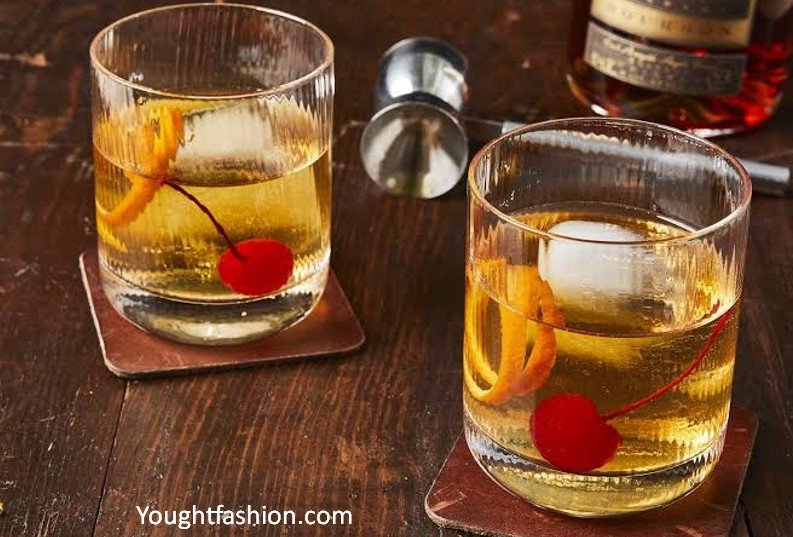
The old fashioned is a whiskey-based cocktail built from four core ingredients: spirit, sugar, bitters, and water. Bartenders often call it the “original cocktail” because it matches the earliest known definition of the word, published in a New York newspaper back in 1806.
Unlike many modern drinks packed with juices, syrups, and mixers, the old fashioned keeps things simple. That simplicity is exactly why it works. Every ingredient has a job. Nothing gets lost in the mix.
Key characteristics:
- Built directly in the glass (not shaken or strained from a shaker)
- Served over a large ice cube
- Garnished with an orange twist or peel
- Traditionally made with bourbon or rye whiskey
This drink rewards patience. Take your time stirring, and you’ll taste the difference.
A Short History of the Old Fashioned
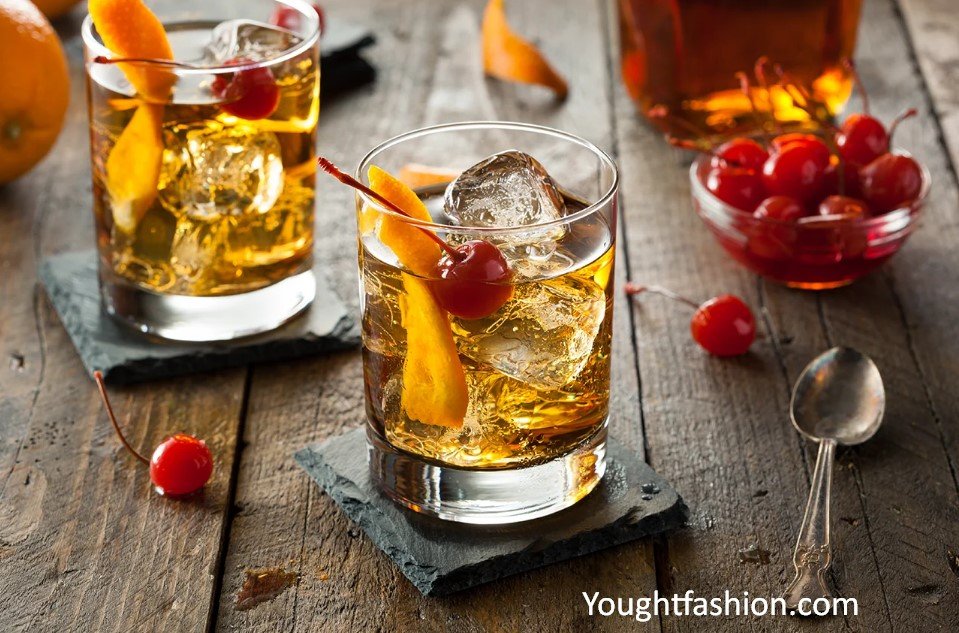
The story of the old fashioned starts long before cocktail bars existed. Early 19th-century Americans drank a basic mix of spirit, sugar, water, and bitters as a morning tonic. As bartenders began experimenting with fruit, liqueurs, and elaborate garnishes later in the century, some drinkers pushed back. They wanted their whiskey served the old-fashioned way — plain and strong.
That phrase stuck. By the 1880s, bartenders at private clubs in Louisville, Kentucky started serving a stripped-down bourbon cocktail under that exact name. The drink spread quickly through American cities and eventually became a permanent fixture on cocktail menus worldwide.
During Prohibition, the old fashioned took on a different role. Bootleg whiskey often tasted harsh, so bartenders added extra sugar and fruit to mask the flavor. This is where the fruit-salad version — complete with muddled orange slices and cherries — came from. Many bars still serve that variation today, though purists argue it strays from the original recipe.
The drink saw a major revival in the 2000s thanks to television shows featuring sharp-dressed characters sipping old fashioneds in smoky offices. That cultural moment introduced an entire generation to classic cocktail culture, and the drink has held its popularity ever since.
Classic Old Fashioned Recipe
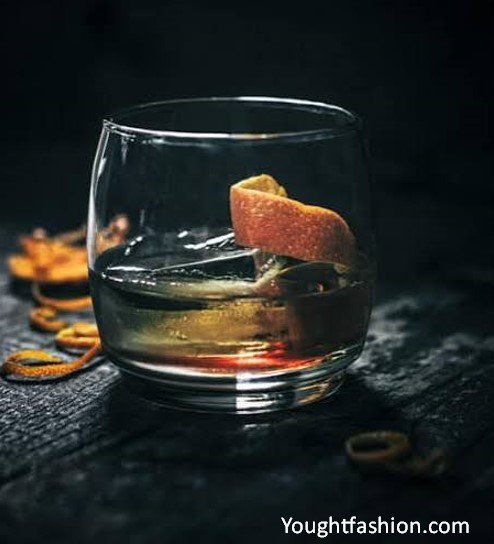
Here’s the traditional recipe, trusted by bartenders across the country.
Ingredients:
- 2 oz bourbon or rye whiskey
- 1 sugar cube (or ½ oz simple syrup)
- 2–3 dashes Angostura bitters
- 1 large ice cube
- Orange peel, for garnish
- Optional: 1 luxardo cherry
Equipment needed:
- Old fashioned glass (also called a rocks glass)
- Bar spoon
- Muddler (only if using a sugar cube)
This recipe makes one serving and takes about three minutes to prepare.
Step-by-Step Instructions
Follow these steps for a drink that tastes like it came from a top-tier bar.
Step 1: Muddle the Sugar and Bitters
Place the sugar cube in your glass. Add the bitters directly on top, then a splash of water. Muddle gently until the sugar dissolves into a thick paste. If you’re using simple syrup instead, skip muddling and just pour the syrup in with the bitters.
Step 2: Add the Whiskey
Pour in your bourbon or rye. Stir briefly to combine it with the sugar-bitters mixture.
Step 3: Add Ice
Drop in one large ice cube. Large cubes melt slower than crushed ice, which keeps your drink from getting watered down too fast.
Step 4: Stir Thoroughly
Stir for 20–30 seconds. This step matters more than most people realize. Proper stirring chills the drink, dilutes it just enough, and blends the flavors evenly.
Step 5: Garnish and Serve
Twist a strip of orange peel over the glass to release its citrus oils, then drop it in or rest it on the rim. Add a cherry if you like a touch of sweetness. Serve immediately.
Choosing the Right Whiskey

Your choice of whiskey shapes the entire drink. Here’s what to know before you pick a bottle.
Bourbon brings sweetness and warmth. Corn-based bourbon offers notes of caramel, vanilla, and oak, which pair naturally with the sugar and bitters in this recipe. It’s the most common choice for beginners.
Rye whiskey delivers a spicier, drier profile. Made mostly from rye grain, it cuts through the sugar with peppery notes and a sharper finish. Bartenders who prefer a bolder drink often reach for rye.
Budget tip: You don’t need an expensive bottle. A mid-range bourbon or rye in the $20–$35 range works perfectly. Save the top-shelf bottles for sipping neat.
Avoid: Whiskeys under $15 often taste harsh when mixed simply, since there’s nowhere for rough edges to hide.
Common Mistakes to Avoid
Even experienced home bartenders fall into these traps.
- Using small ice cubes. They melt too fast and dilute the drink before you finish it.
- Skipping the stir. Shaking or rushing this step leaves the drink unbalanced.
- Adding too much sugar. The old fashioned should taste like whiskey first, sweetness second.
- Muddling fruit excessively. Crushing orange slices and cherries into pulp turns the drink cloudy and overly sweet.
- Using bottled lime or lemon juice. Traditional recipes rely on bitters and citrus oils, not juice.
- Forgetting to express the citrus peel. Skipping this step leaves out a key aromatic layer.
Small adjustments like these separate an average old fashioned from a great one.
Popular Variations
Once you’ve mastered the classic version, try these popular twists.
Smoked Old Fashioned
Bartenders use a smoking gun or smoked wood chips to infuse the glass with smoky aroma before pouring the drink. This adds depth without changing the core recipe.
Maple Old Fashioned
Swap simple syrup for real maple syrup. This works especially well with rye whiskey, adding a rich, autumnal flavor.
Spicy Old Fashioned
Add a few dashes of chili-infused bitters or a slice of jalapeño for a warm kick.
Whiskey Substitute Versions
Some bartenders use rum, mezcal, or brandy instead of whiskey. These aren’t traditional, but they show how flexible the format really is.
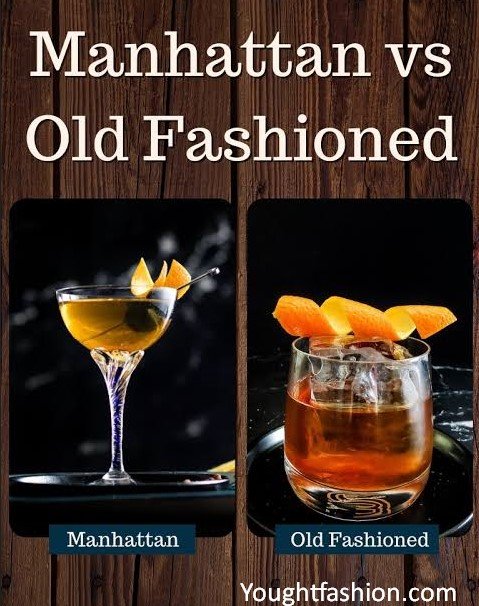
Old Fashioned vs. Other Whiskey Cocktails
| Feature | Old Fashioned | Manhattan | Whiskey Sour |
| Base Spirit | Bourbon or rye | Rye or bourbon | Bourbon |
| Sweetener | Sugar cube or syrup | Sweet vermouth | Simple syrup |
| Citrus | Orange peel (no juice) | None | Lemon juice |
| Preparation | Stirred, built in glass | Stirred, strained | Shaken, strained |
| Flavor Profile | Bold, slightly sweet | Rich, herbal | Tart, balanced |
| Best For | Whiskey purists | Vermouth lovers | Citrus fans |
This comparison highlights why the old fashioned stands apart: it’s the only major whiskey cocktail that skips citrus juice entirely, relying instead on peel oils for aroma.
Pros and Cons of the Old Fashioned
Pros
- Only four ingredients needed
- Easy to make at home with basic bar tools
- Highlights the quality of good whiskey
- Endlessly customizable
- Low sugar content compared to many cocktails
Cons
- Strong alcohol taste may not suit casual drinkers
- Requires quality whiskey to taste its best
- Takes practice to stir and dilute correctly
- Not ideal for those who prefer fruity or sweet cocktails
Tips From Professional Bartenders
Industry professionals consistently recommend these practices:
- Use filtered water for your ice. Tap water impurities can affect the taste as the ice melts.
- Pre-chill your glass for a few minutes before building the drink.
- Cut citrus peel wide, about 2 inches long, to release enough oil when expressed.
- Taste as you stir. Everyone’s sugar and bitters preference differs slightly.
- Store bitters properly. Keep them away from direct sunlight to preserve flavor.
These small habits, borrowed from experienced bartenders, make a noticeable difference in the final drink.
Frequently Asked Questions
1. What whiskey is best for an old fashioned?
Bourbon works best for a smoother, sweeter drink. Rye whiskey suits those who prefer a spicier, drier finish.
2. Can I make an old fashioned without bitters?
You can, but the drink loses much of its complexity. Bitters add depth and balance that sugar and whiskey alone can’t provide.
3. How much sugar should I use?
One sugar cube or about ½ ounce of simple syrup is standard. Adjust slightly based on your whiskey’s sweetness.
4. Is an old fashioned served on the rocks?
Yes. It’s traditionally served over one large ice cube in a rocks glass.
5. What’s the difference between an old fashioned and a whiskey neat?
A whiskey neat is unmixed whiskey served at room temperature. An old fashioned includes sugar, bitters, and dilution from ice.
6. Can I batch-make old fashioneds for a party?
Yes. Mix whiskey, sugar, and bitters in a large pitcher without ice, then pour over fresh ice individually when serving.
7. Why do some old fashioneds have fruit in them?
That style became popular during Prohibition to mask harsh bootleg whiskey. It’s still common in some regions, though it differs from the original recipe.
8. What glass should I use?
Use a rocks glass, also called an old fashioned glass, which is short and wide with a heavy base.
9. How strong is an old fashioned?
It’s a strong cocktail, typically around 30% ABV before dilution, since it uses minimal mixers.
10. Can I make a non-alcoholic old fashioned?
Yes. Use a non-alcoholic whiskey alternative along with the same sugar, bitters, and citrus for a similar flavor profile.
Conclusion
The old fashioned earns its reputation through simplicity, not complexity. Four honest ingredients, prepared with care, create a drink that has outlasted nearly every cocktail trend since the 1800s. Once you understand the basic technique, you can experiment with different whiskeys, sweeteners, and garnishes to make the recipe your own.
Whether you’re mixing drinks for guests or simply enjoying a quiet evening, the old fashioned delivers a reliable, satisfying experience every time. Master the fundamentals here, and you’ll have a cocktail skill that never goes out of style.