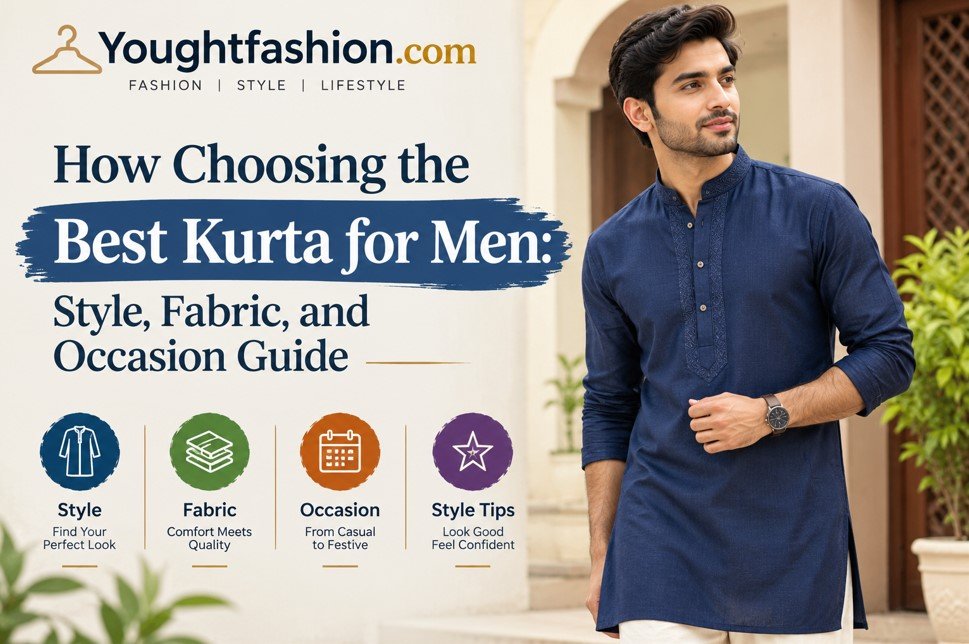
How Choosing the Best Kurta for Men: Style, Fabric, and Occasion Guide
Finding the right kurta for men used to mean a trip to the local tailor right before a family wedding or a religious festival. Today, this traditional garment has evolved into a versatile wardrobe staple. Whether you are heading to a festive celebration in Delhi, attending a college cultural fest in Mumbai, or keeping it casual for a family dinner, the modern men’s kurta strikes the ideal balance between comfort and ethnic elegance.
Over the past few years, Indian menswear has undergone a massive transformation. Designers have reimagined traditional silhouettes with modern cuts, breathable fabrics, and minimalist embroidery. However, with so many options available—ranging from classic cotton to opulent silk—choosing the right piece can feel overwhelming. This comprehensive guide will walk you through everything you need to know about selecting, styling, and caring for a men’s kurta to elevate your ethnic wardrobe.
Understanding the Evolution of the Men’s Kurta
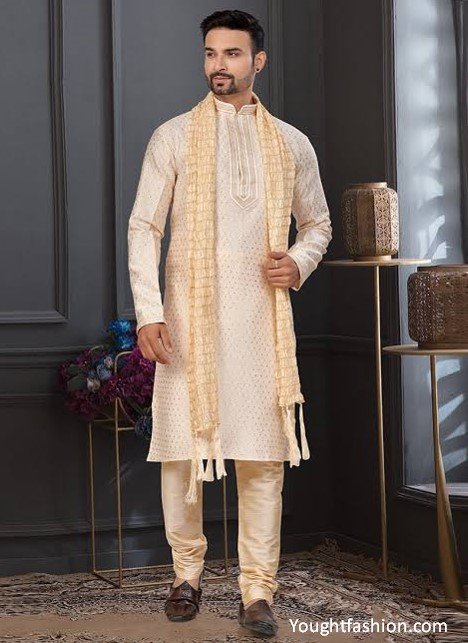
The kurta has deep historical roots across South Asia. Originally worn as a loose-fitting, knee-length tunic, it was favored for its loose drape in warm climates. Traditional versions featured simple buttonless plackets or round collars.
In contemporary fashion, the traditional kurta shares shelf space with innovative fusion wear. Modern iterations feature asymmetrical hems, mandarin collars, cowl cuts, and bandhgala-inspired structures. Designers like Sabyasachi, Manish Malhotra, and Fabindia have mainstreamed ethnic wear, making it acceptable and stylish for corporate events, casual outings, and high-end galas alike.
Popular Fabrics for Every Season
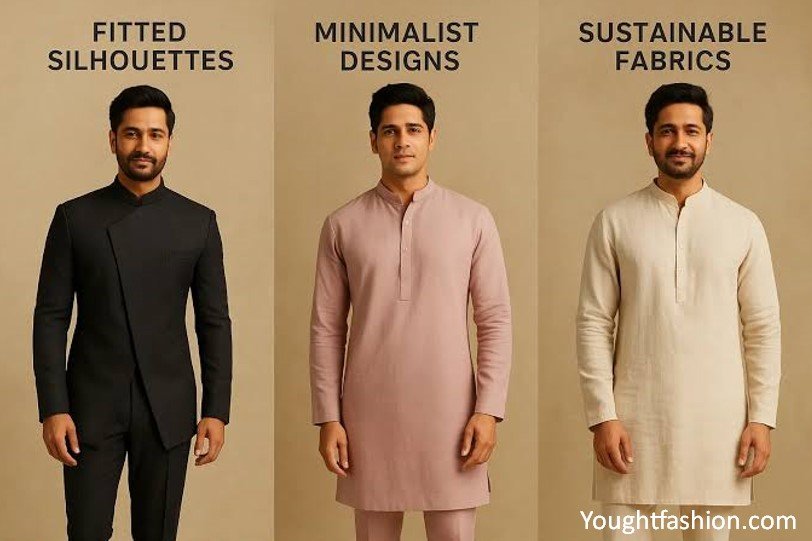
Fabric selection determines how your ethnic outfit looks and feels. Choosing the correct material keeps you comfortable throughout the day.
1. Cotton: The Everyday Champion
Cotton is the undisputed king of Indian menswear. It is breathable, lightweight, and skin-friendly.
- Best for: Summer days, daily wear, office ethnic days, and casual outings.
- Pro Tip: Look for slub cotton or chanderi cotton blends for a slightly textured, premium finish that resists wrinkling better than pure cotton.
2. Silk and Dupion: The Festive Standard
When celebrations call for grandeur, silk steps up. Silk kurtas feature a natural sheen and structured fall.
- Best for: Weddings, receptions, Diwali, and Eid.
- Pro Tip: Raw silk or dupion silk provides a rugged texture that looks masculine and regal without feeling overly delicate.
3. Linen: The Modern Minimalist
Linen offers a relaxed, sophisticated texture. It breathes exceptionally well and softens with every wash.
- Best for: Daytime outdoor weddings, brunch parties, and summer evening gatherings.
- Pro Tip: Embrace the natural wrinkles of linen; they add a relaxed, effortless charm to your look.
4. Velvet and Brocade: Winter Opulence
For winter weddings and chilly evening events, heavy fabrics provide warmth and rich visual appeal.
- Best for: Winter receptions, sangeet ceremonies, and formal festive dinners.
- Pro Tip: Keep embroidery minimal if your fabric is heavy velvet to avoid looking over-styled.
Choosing the Right Style for Your Body Type
The right fit transforms an outfit from ordinary to exceptional. Different cuts complement different physiques.
- Athletic or Slim Build: Straight-cut short kurtas or asymmetrical styles work wonders. They add structure to your frame without swallowing your silhouette.
- Average Build: Classic straight-cut long kurtas that hit right at the knee are your safest and most flattering bet.
- Plus Size / Sturdier Build: Opt for solid colors, vertical stripes, or subtle block prints. Avoid heavy chest embroideries that add bulk, and choose structured fabrics like raw silk or stiff cotton over clingy materials.
Kurta Styles Comparison Table
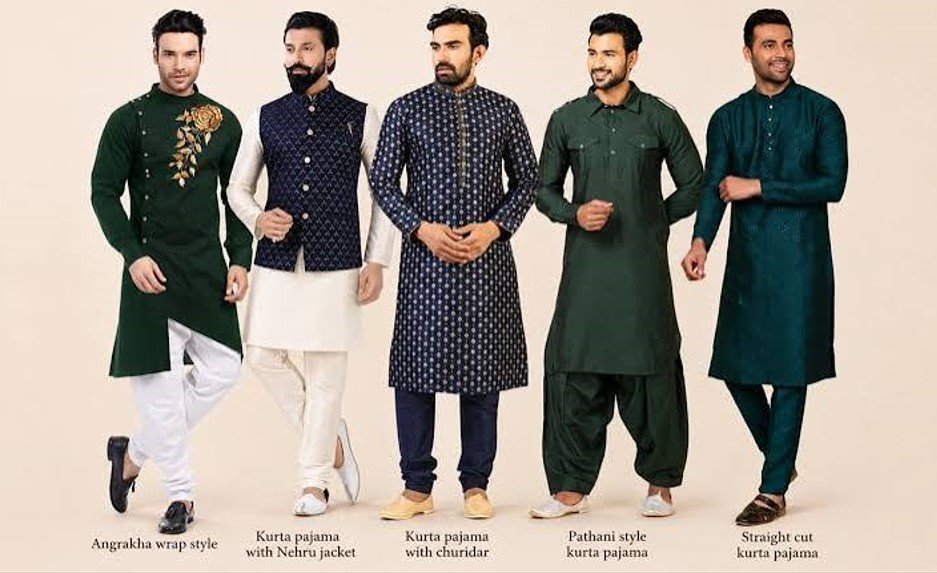
| Style | Ideal Length | Best Fabric | Best Suited For |
| Straight-Cut Long | Knee-length | Cotton, Silk | Weddings, Formal Festivals, Poojas |
| Short Kurta (Pathani style) | Hip-length | Denim, Cotton, Linen | College wear, Casual outings, Daily wear |
| Asymmetrical Kurta | Varies (Uneven hem) | Georgette, Silk-blend | Sangeet, Cocktail parties, Fashion events |
| Sherwani-Style Anarkali | Calf-length | Brocade, Velvet | Groom wear, High-end receptions |
| A-Line Kurta | Below-the-knee | Khadi, Cotton | Family gatherings, Daytime events |
Occasion-Based Styling Guide
Casual Day-Outs and College Wear
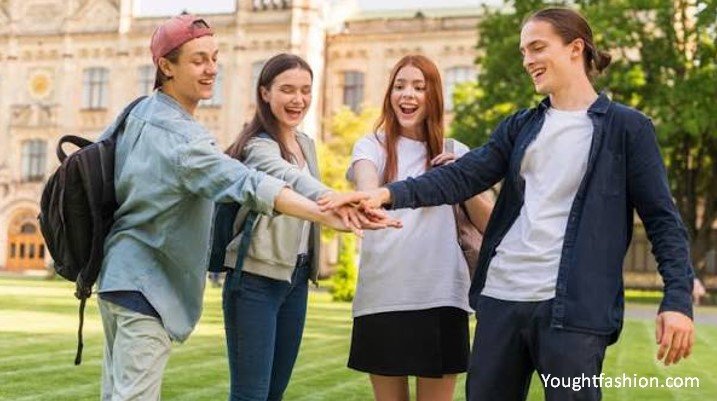
Keep things breezy and comfortable. Pair a solid short cotton or linen kurta with your favorite slim-fit blue jeans or chinos. Finish the look with clean leather loafers or traditional kolhapuris. Roll up the sleeves for an effortless, casual vibe.
Festive Celebrations (Diwali, Eid, Poojas)
Opt for vibrant jewel tones like emerald green, royal blue, or mustard yellow. A knee-length cotton-silk blend kurta paired with comfortable churidars or pyjamas works best. Layer it with a lightweight ethnic jacket (nehru jacket) in a contrasting shade to add depth.
Weddings and Receptions
This is the time to go all out. Choose rich fabrics like raw silk, jacquard, or embroidered velvet. Deep maroon, champagne gold, or classic black sets an elegant tone. Pair your long festive kurta with well-fitted dhoti pants or churidars, and accessorize with a pocket square or a traditional brooch.
Bottom Wear Combinations
Your choice of bottoms can completely alter the aesthetic of your outfit.
- Jeans: Best paired with short kurtas for a successful Indo-Western fusion look. Stick to dark-wash denims with minimal distressing.
- Churidars: The classic choice. These traditional gathered pants add authentic ethnic charm to long kurtas.
- Pyjamas (Straight or Elasticated): Offers maximum comfort. Perfect for lounging during long religious ceremonies or family get-togethers.
- Dhoti Pants: Pre-stitched dhotis provide a high-fashion, regal look for weddings without the hassle of draping.
- Aligarh Pants: Slightly looser at the top and fitted at the calves, these offer a refined, sophisticated alternative to standard pyjamas.
Pros and Cons of Wearing a Kurta
Understanding the practical aspects of ethnic wear helps you make smarter purchasing decisions.
Pros
- Unmatched Comfort: Loose silhouettes allow for maximum airflow and unrestricted movement.
- Incredible Versatility: Easily transitions from a casual daytime family lunch to a formal evening wedding reception.
- Cultural Elegance: Instantly connects you to traditional Indian aesthetics with minimal effort.
- Easy to Layer: Pairs seamlessly with nehru jackets, bandhgalas, and stoles.
Cons
- Maintenance Challenges: Pure silk and delicate embroidered pieces often require dry cleaning.
- Wrinkle Prone: Natural fabrics like pure cotton and linen wrinkle easily during long hours of sitting or travel.
- Sizing Variations: Generic sizing can sometimes lead to poor shoulder fits or overly tight sleeves.
Expert Maintenance and Care Tips
Preserve the lifespan and vibrancy of your traditional wardrobe with these simple maintenance practices.
- Hand Wash Cotton: Always hand-wash or use a gentle machine cycle for cotton and linen garments to prevent fiber breakdown.
- Dry Clean Silks and Brocades: Never submerge heavy silk, velvet, or embroidered pieces in water at home. Professional dry cleaning protects the delicate threads and structural integrity.
- Store in Breathable Covers: Keep your festive silks in muslin or cotton garment bags rather than plastic covers to allow the natural fibers to breathe.
- Iron on Reverse: Always iron your ethnic wear inside out, especially if it features block printing, foil work, or thread embroidery.
Frequently Asked Questions
1. What shoes look best with a men’s kurta?
Traditional leather mojaris, juttis, or kolhapuris complement ethnic outfits best. For a modern casual look, clean white sneakers or leather loafers paired with short kurtas and jeans work exceptionally well.
2. Can I wear a kurta to a corporate workplace?
Yes! Cotton or linen short kurtas or minimal straight-cut long kurtas in neutral colors (like navy blue, grey, or white) are widely accepted for ethnic days or casual Fridays in modern offices.
3. How do I choose the right size for a traditional kurta?
Traditional kurtas generally feature a looser fit than western shirts. If you prefer a tailored modern fit, look for slim-fit options. Otherwise, choose a size that provides a two-inch breathing room over your actual chest measurement.
4. What is the difference between a Sherwani and a Kurta?
A kurta is a lightweight, single-layer tunic worn for everyday or festive wear. A sherwani is a heavy, structured, coat-like outer garment traditionally worn by grooms for formal wedding ceremonies.
5. Which bottom wear is most comfortable for all-day wear?
Elasticated cotton pyjamas or straight-cut trousers offer the highest level of comfort for long events like weddings or religious rituals lasting several hours.
6. How can I style a plain white kurta for a wedding?
Layer your white kurta with a vibrant, heavily embroidered or brocade Nehru jacket. Add a matching pocket square and traditional leather mojaris to elevate the look instantly.
7. Are short kurtas suitable for formal occasions?
Short kurtas are generally considered casual or semi-casual wear. For formal events like receptions or religious ceremonies, knee-length or calf-length straight-cut kurtas are preferred.
8. How do I prevent linen kurtas from wrinkling too fast?
Choose a linen-cotton blend instead of 100% pure linen. The cotton blend retains the breezy texture of linen while significantly reducing heavy creases.
Conclusion
The kurta for men is much more than seasonal attire; it is a timeless expression of culture, comfort, and personal style. By understanding fabric behaviors, selecting the right cut for your body type, and pairing your outfit with appropriate footwear, you can master ethnic fashion effortlessly. Whether you prefer minimalist cotton tunics for daily wear or opulent silk sets for grand celebrations, keeping a few well-fitted options in your wardrobe ensures you are always ready for any occasion.