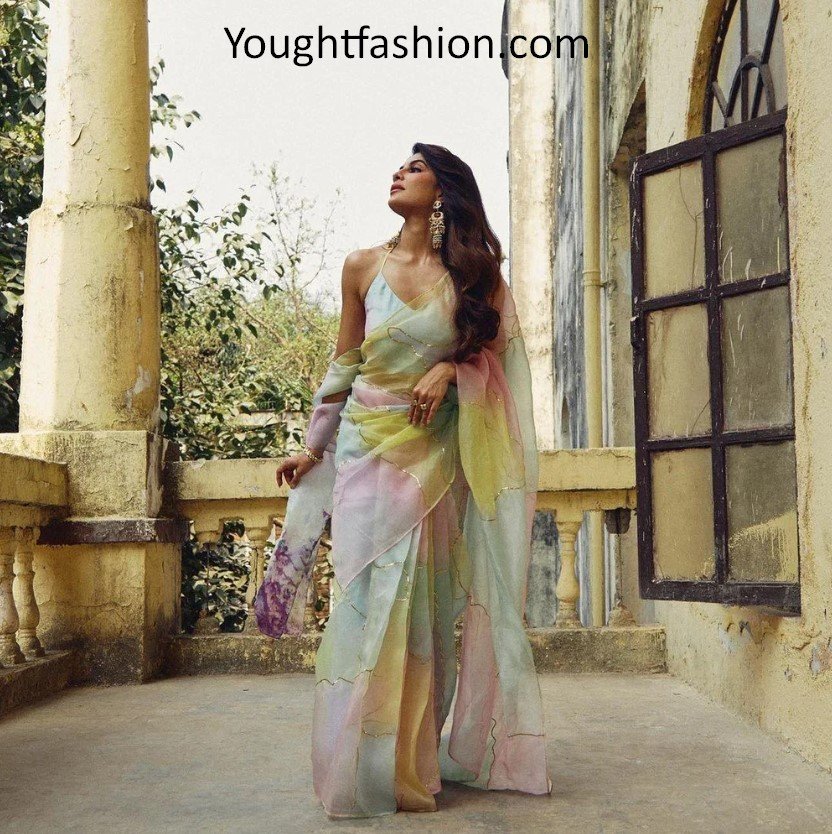
Organza Saree: Latest Indian Designs, Colours & Fashion Trends
The organza saree has taken the Indian ethnic fashion scene by storm. Once reserved for vintage wardrobes, this sheer, lightweight fabric is now a staple in Bollywood celebrity closets, modern bridal trousseaus, and festive celebrations across India.
If you want an outfit that blends traditional grace with contemporary aesthetics, an organza drape is your perfect match. However, buying, draping, and maintaining this delicate fabric requires a bit of know-how. Because organza has a natural stiffness, styling it incorrectly can add unwanted volume to your frame.
This comprehensive guide covers everything you need to know about the organza saree. We will explore the different varieties available, teach you how to drape it flawlessly, and share expert tips on maintaining its pristine condition for years to come.
Read More: Bodycon Dress – Latest Trends, Styles & Outfit Ideas
What is an Organza Saree?
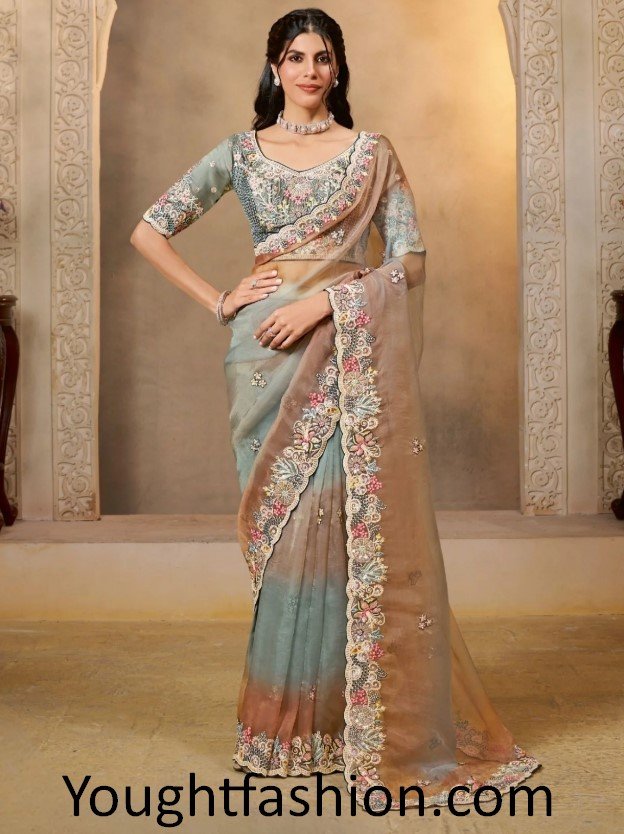
An organza saree is a sheer, plain-woven garment traditionally crafted from pure silk. The weaving process involves tightly twisting the warp and weft threads, which gives the fabric its signature crispness and slightly wiry finish.
Today, you can find organza made from synthetic fibers like polyester and nylon. While synthetic versions are more affordable and durable, pure silk organza remains the gold standard for its luxurious feel, breathability, and natural sheen.
The most defining characteristic of this saree is its translucence. The see-through nature of the fabric creates a delicate, romantic look, making it a favorite canvas for heavy embroidery, pastel floral prints, and intricate zari work.
The Rich History and Origin of Organza
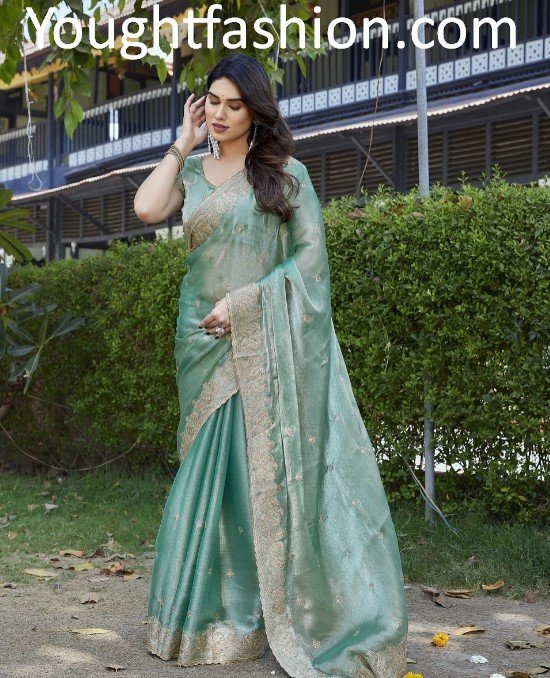
Understanding the roots of this fabric adds to its charm. The word “organza” traces back to Urgench, an ancient city in the Khorezm region of Turkestan. During the era of the Silk Road, Urgench was a massive hub for silk trading.
Initially, European aristocrats favored organza for evening gowns and bridal veils due to its stiffness and ability to hold volume. When the fabric entered the Indian subcontinent, master weavers quickly adapted it. Indian artisans began weaving indigenous motifs into the sheer material, blending Western fabric characteristics with Eastern design philosophies.
Over the decades, weaving clusters in Varanasi (Banaras) and Bangalore mastered the art of blending silk yarns to create regional variations like the Kora silk and Banarasi organza, making it an integral part of Indian ethnic wear.
7 Popular Types of Organza Sarees
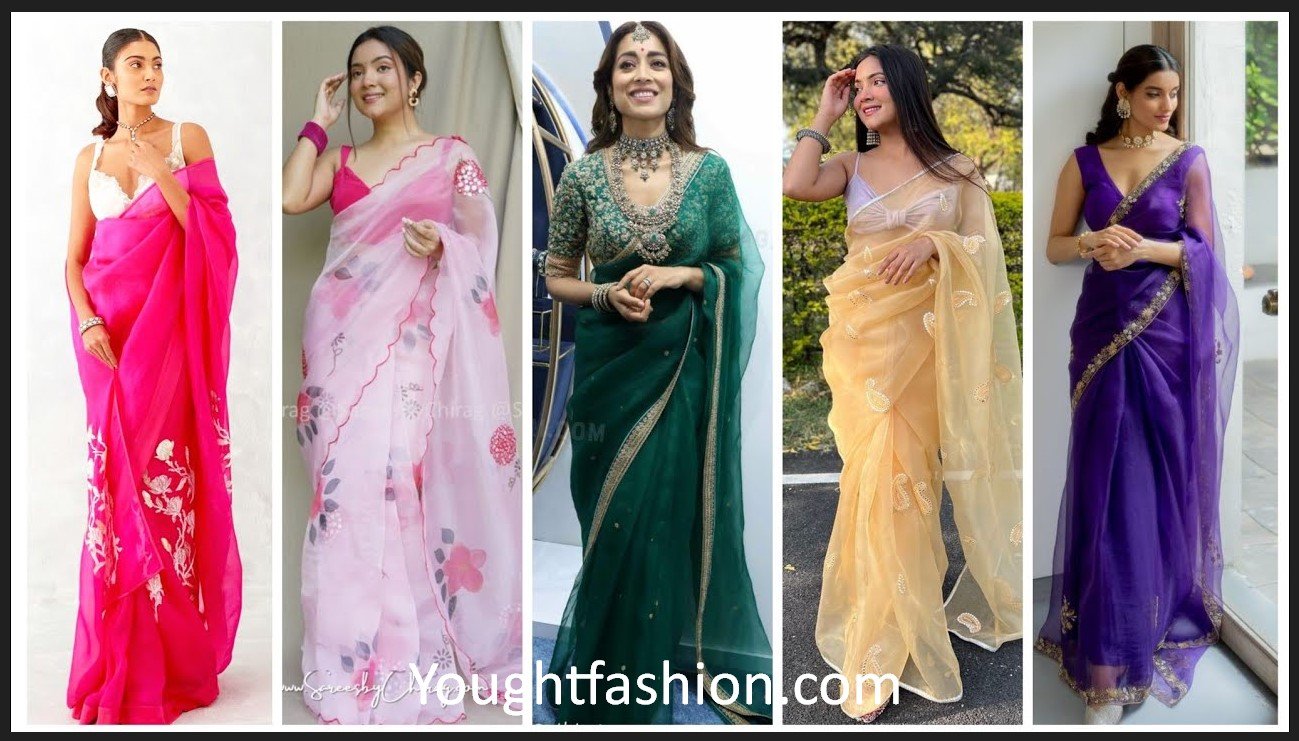
Not all organza is created equal. The market offers a massive variety of textures and embellishments. Here are the top seven types you should consider for your wardrobe:
1. Pure Silk Organza
This is the most premium variety. Woven entirely from pure silk threads, it boasts a natural, muted luster. It is incredibly lightweight, breathable, and drapes much better than its synthetic counterparts. It is ideal for daytime weddings and high-end formal events.
2. Banarasi Organza
A beautiful fusion of North Indian weaving traditions, the Banarasi organza saree features intricate gold or silver zari motifs woven directly into the sheer fabric. You will often see traditional patterns like buttis, floral vines, and heavy brocade borders. These are perfect for bridal wear and grand evening receptions.
3. Floral Printed Organza
Nothing screams summer fashion quite like a floral printed organza. Featuring oversized roses, peonies, or tropical prints in pastel shades, these sarees offer a very soft, feminine vibe. They are the top choice for farewells, daytime parties, and bridesmaid outfits.
4. Embroidered Organza
Because the base fabric is stiff, it holds threadwork beautifully. Embroidered variants often feature traditional Chikan work, Zardosi, or modern sequin embellishments. Scalloped borders with heavy embroidery are currently dominating the Indian fashion charts.
5. Glass Organza
Glass organza gets its name from its ultra-reflective, mirror-like sheen. It is slightly stiffer and shinier than standard silk organza. The high gloss makes it an excellent choice for glamorous night events where the fabric can catch the light.
6. Tissue Organza
Tissue organza incorporates metallic threads (zari) woven along with the silk yarns throughout the body of the saree. This gives the entire garment a metallic, gold, or silver hue. It provides a highly regal look without the physical weight of heavy traditional silks.
7. Kora Silk Organza
Kora silk is un-degummed silk. Because the natural sericin (gum) is left on the silk fibers, the resulting fabric is slightly duller and crisper than processed silk organza. It is highly valued for its raw, earthy texture and is widely produced in South India.
How to Identify Pure Silk Organza
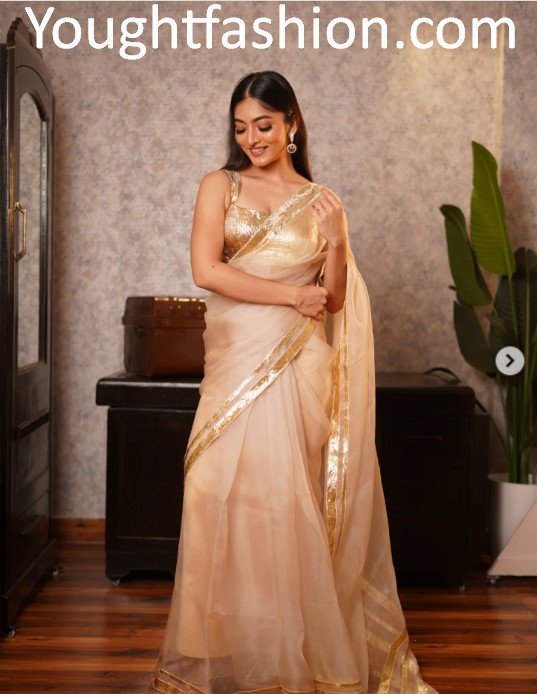
With so many synthetic replicas in the market, identifying authentic silk organza is crucial to ensure you get what you pay for. Use these expert methods to check the authenticity of your saree:
- The Touch Test: Pure silk organza is crisp but feels remarkably smooth and cool against the skin. Synthetic organza (polyester) often feels slightly scratchy, plasticky, and traps heat.
- The Luster Check: Hold the fabric under natural light. Pure silk reflects light softly and elegantly. Synthetic nylon organza has a harsh, artificial glare.
- The Bounce Test: Crumple a small corner of the saree in your fist and release it. Pure silk organza will instantly bounce back but leave slight, natural creases. Synthetic organza springs back rapidly without creasing, acting much like plastic.
- The Burn Test (For Unstitched Edges): Pull a single thread from the raw edge of the fabric and light it with a match. Pure silk will smell like burning hair and leave a brittle, crushable black ash. Synthetic organza will melt, smell like burning plastic, and form a hard bead.
Organza vs. Chiffon vs. Georgette
Shoppers often confuse sheer fabrics. While they may look somewhat similar from a distance, they behave entirely differently when draped.
| Feature | Organza Saree | Chiffon Saree | Georgette Saree |
| Texture | Crisp, stiff, and wiry | Extremely soft, slippery | Grainy, slightly crinkled |
| Drape | Holds volume, puffs up slightly | Clings tightly to the body | Flows well, slightly heavier |
| Sheerness | Highly translucent (see-through) | Moderately sheer | Semi-sheer to opaque |
| Best For | Structured pleats, voluminous look | Figure-hugging silhouettes | Heavy embroidery, fluid styles |
| Maintenance | High (needs careful ironing) | Moderate (delicate wash) | Low (highly durable) |
Trending Blouse Designs for Organza
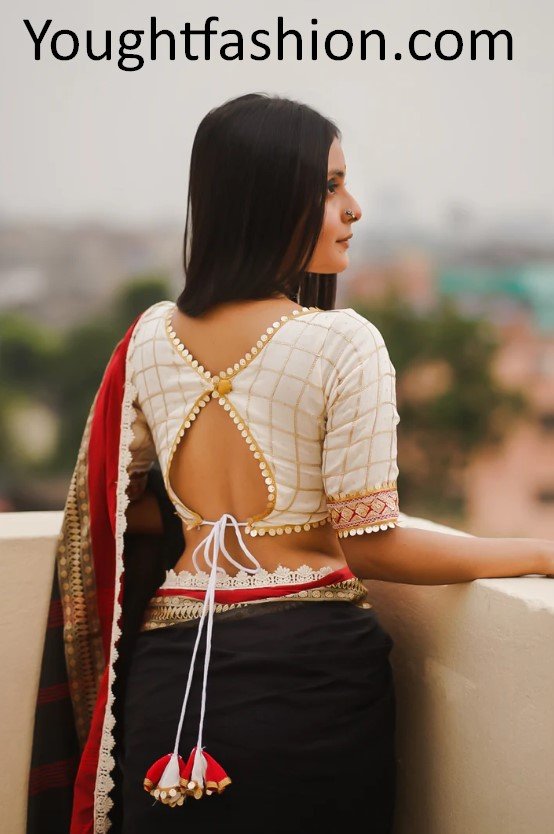
Because an organza saree is transparent, your blouse will be highly visible. The blouse you choose can make or break the entire outfit. Here are the top blouse pairings recommended by Indian fashion stylists:
The Sleeveless Satin Silk Blouse
For a modern, minimalistic look, pair a pastel organza drape with a matching sleeveless satin blouse. The smooth texture of satin contrasts beautifully with the wiry stiffness of the organza.
Heavy Sequin or Zardosi Blouses
If you are wearing a plain or lightly bordered organza saree to a wedding, elevate the outfit with a heavily embroidered blouse. A fully sequined halter neck or a deep-V neckline balances the simplicity of the saree.
Full-Sleeve Floral Blouses
For a vintage, regal aesthetic, opt for a full-sleeve blouse with a boat neck. If your saree is a solid color, wearing a heavily floral-printed full-sleeve blouse creates a stunning visual statement.
Velvet Blouses (For Winter Weddings)
Organza is traditionally a summer fabric. However, you can transition it into winter wear by pairing it with a rich velvet blouse. The contrasting textures—sheer, light organza against thick, plush velvet—look incredibly luxurious.
Step-by-Step Guide: How to Drape Organza Perfectly
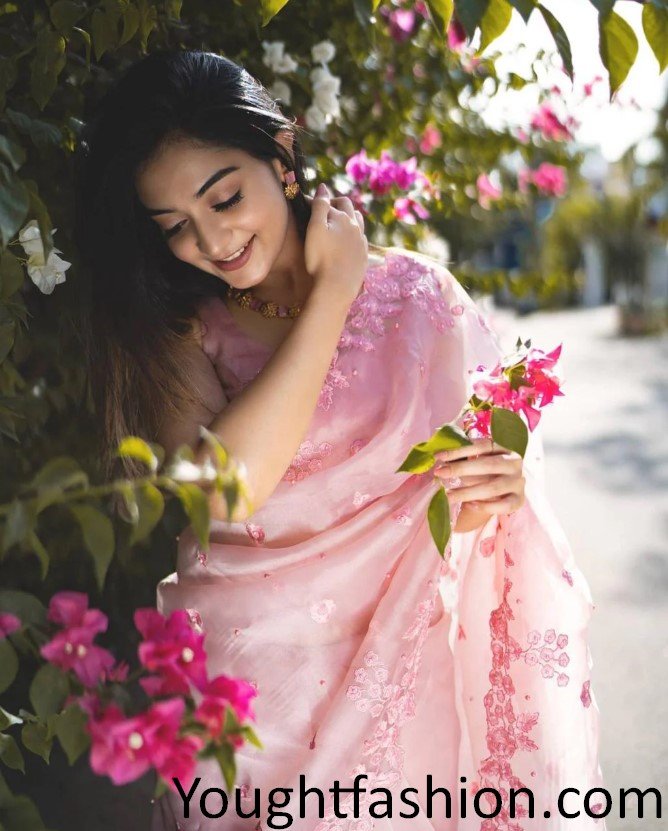
The biggest complaint women have about organza is that it makes them look broader. Because of its crisp nature, the fabric tends to flare out. Follow these steps for a sleek, flattering drape:
- Choose the Right Petticoat: Never wear a traditional cotton petticoat with organza, as the cotton will create friction and make the saree bunch up. Instead, use a well-fitted satin or silk shapewear skirt. The smooth base allows the organza to glide effortlessly.
- Tuck and Measure: Start by tucking the plain end of the saree into your shapewear, making one complete circle around your waist. Ensure the hemline just touches the floor.
- Create the Pallu First: Instead of making the waist pleats, measure out your pallu. For organza, do not let the pallu hang loose. A floating pallu will puff up at the shoulder. Instead, fold the pallu into neat, narrow pleats (about 3 inches wide).
- Pin and Iron the Pallu: Pin the pleated pallu securely to your left shoulder. Expert Tip: Use a hair straightener on the lowest heat setting to quickly flatten the pleats right at your shoulder. This removes the puffiness instantly.
- Form the Waist Pleats: Gather the remaining fabric and make 5 to 6 medium-sized waist pleats. Ensure they align perfectly.
- Secure with Pins: Pin the waist pleats together from the inside before tucking them into your shapewear. This prevents the stiff fabric from unraveling when you walk.
- Settle the Fabric: Run your hands tightly down the pleats to press them into place. You can also pin the inner border of the saree to your waistline to give yourself a more snatched silhouette.
Pros and Cons of Buying Organza
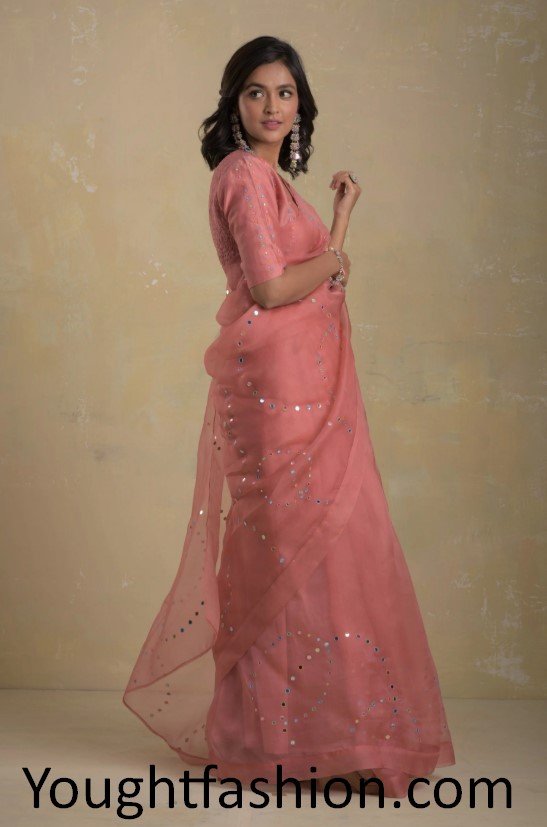
Before making a purchase, weigh these advantages and drawbacks to decide if this fabric suits your lifestyle.
Pros:
- Highly photogenic: The natural sheen looks stunning in photographs.
- Lightweight: You can wear heavy zari borders without feeling weighed down.
- Versatile: Suitable for both young girls attending farewells and older women attending weddings.
- Breathable: Pure silk organza is excellent for hot Indian summers.
Cons:
- Prone to tearing: The sheer weave can snag easily on jewelry or sharp edges.
- Adds volume: If not draped properly, it can make the wearer look bulkier.
- High maintenance: Requires dry cleaning and careful storage to prevent permanent creases.
- Expensive: Authentic silk varieties carry a premium price tag.
Essential Maintenance and Care Tips
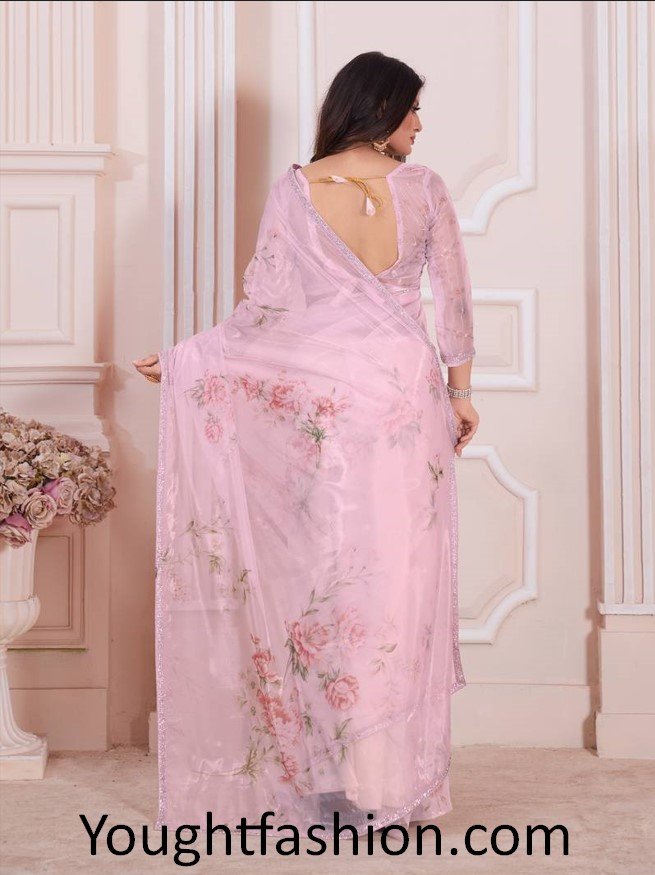
An organza saree is an investment. Proper maintenance is non-negotiable if you want to pass it down as an heirloom. Follow these strict care guidelines:
Washing Instructions
Never wash pure silk organza in a washing machine. The harsh spinning will stretch the warp yarns and tear the fabric. Dry cleaning is the only recommended method. If you spill something, spot-clean it gently with cold water, but do not rub the fabric vigorously.
Ironing Safely
Organza scorches very easily. Always iron the saree on the lowest heat setting (usually marked as ‘Silk’ on the iron). Never place the hot iron directly on the fabric. Place a thin cotton cloth (like a handkerchief) over the saree and iron over it. Alternatively, use a handheld garment steamer.
Storing Your Saree
Do not hang organza in your wardrobe for long periods. The sheer weight of the fabric pulling downwards can cause the threads to stretch and warp. Instead, fold the saree gently and wrap it in a muslin cloth. Muslin allows the fabric to breathe while protecting it from moisture and friction.
Refold the saree every three to four months. Leaving it folded in the same position for years will cause permanent, unbreakable creases to form along the fold lines, which may eventually tear.
Frequently Asked Questions (FAQs)
1. Does wearing an organza saree make you look fat?
It can add slight volume because of its crisp texture. However, if you pin the shoulder pleats tightly, iron the creases flat, and wear a fitted satin shapewear petticoat, it will give you a very structured and flattering silhouette.
2. Can I wear organza in the winter?
Yes, but you need to style it appropriately. Pair it with a thick velvet blouse or drape a heavy Pashmina shawl over one shoulder. The saree itself will not provide any warmth, as it is highly breathable.
3. How can I soften a stiff organza saree?
You cannot permanently change the texture of true organza, as the stiffness comes from the tightly twisted yarns. However, steaming the saree thoroughly before wearing it will relax the fibers temporarily, making it much easier to drape.
4. What jewelry looks best with this fabric?
Because the fabric is light and delicate, avoid overly heavy, chunky gold sets that might snag the threads. Opt for elegant pearl chokers, uncut diamonds (Polki), or minimalist silver jewelry.
5. Is tissue organza different from pure silk organza?
Yes. Pure silk organza is woven entirely from silk threads and is translucent. Tissue organza weaves metallic zari threads alongside the silk, making the fabric highly reflective, metallic, and slightly more opaque.
6. Can I wash my synthetic organza saree at home?
Yes, synthetic (polyester) organza can be hand-washed at home using a mild liquid detergent. Do not wring it out; simply let the water drip dry in a shaded area.
7. Why does my organza keep slipping off my shoulder?
The wiry texture of the fabric lacks the grip of cotton or georgette. You must use safety pins to secure the pallu to your blouse. Using a blouse made of a textured fabric (like raw silk) also creates friction to hold the saree in place.
8. Which colors look best in organza?
Pastels rule the organza segment. Powder blue, blush pink, mint green, and lavender look exceptionally beautiful because the sheer fabric gives these light colors a dreamy, watercolor effect.
9. Are organza sarees appropriate for office wear?
Generally, pure silk organza is considered too formal and delicate for daily office wear. However, a very plain, muted organza drape can be worn for corporate events or office festive parties.
10. How long does a pure silk organza drape last?
With proper dry cleaning and careful storage in muslin cloth, an authentic silk organza saree can easily last 15 to 20 years, retaining its sheen and structural integrity.
Conclusion
The organza saree is a masterpiece of textile engineering, offering a unique blend of ethereal beauty, crisp structure, and unmatched elegance. Whether you are stepping out for a daytime summer wedding in a pastel floral print or attending a grand evening reception in a regal Banarasi drape, this fabric guarantees you will turn heads.
While it demands a bit more attention when it comes to draping and maintenance, the final look is entirely worth the effort. Remember the golden rules: always wear a satin petticoat, neatly pin your pleats, and store the fabric wrapped in breathable muslin. Embrace the sheer elegance of organza, and let this timeless garment elevate your ethnic wardrobe to new heights.
Read More: Perfect Party Wear Dress for Women: Stylish Trends & Outfit Ideas