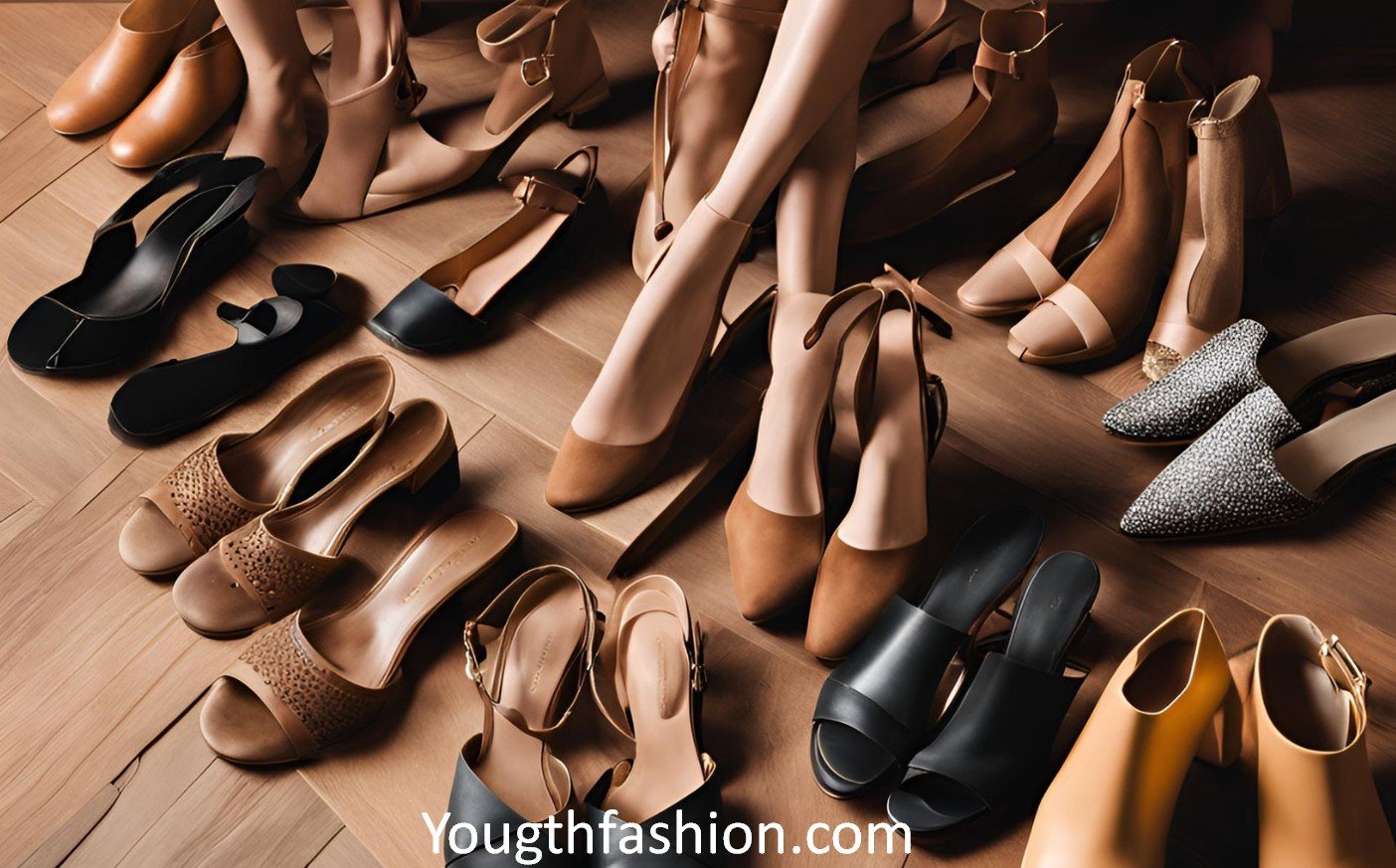
Best Ladies Shoes in India: Stylish & Comfortable Footwear
The right footwear transforms an entire outfit. Whether you are running to catch a local train in Mumbai, attending a grand big fat Indian wedding, or leading a boardroom meeting in Bengaluru, your choice of footwear speaks volumes. However, finding the perfect pair of ladies shoes involves much more than just picking a pretty design.
In India, women face a unique set of challenges when building their shoe wardrobe. You need footwear that survives unpredictable monsoons, withstands dusty summers, complements both ethnic and western wear, and provides all-day comfort. Comfort and style must go hand-in-hand to prevent long-term foot problems.
This comprehensive guide covers everything you need to know about women’s footwear. From identifying your foot shape to choosing the right materials, we will help you make informed decisions. You will learn how to build a versatile shoe collection that serves every occasion without compromising on foot health.
The Essential Types of Ladies Shoes Every Indian Woman Needs
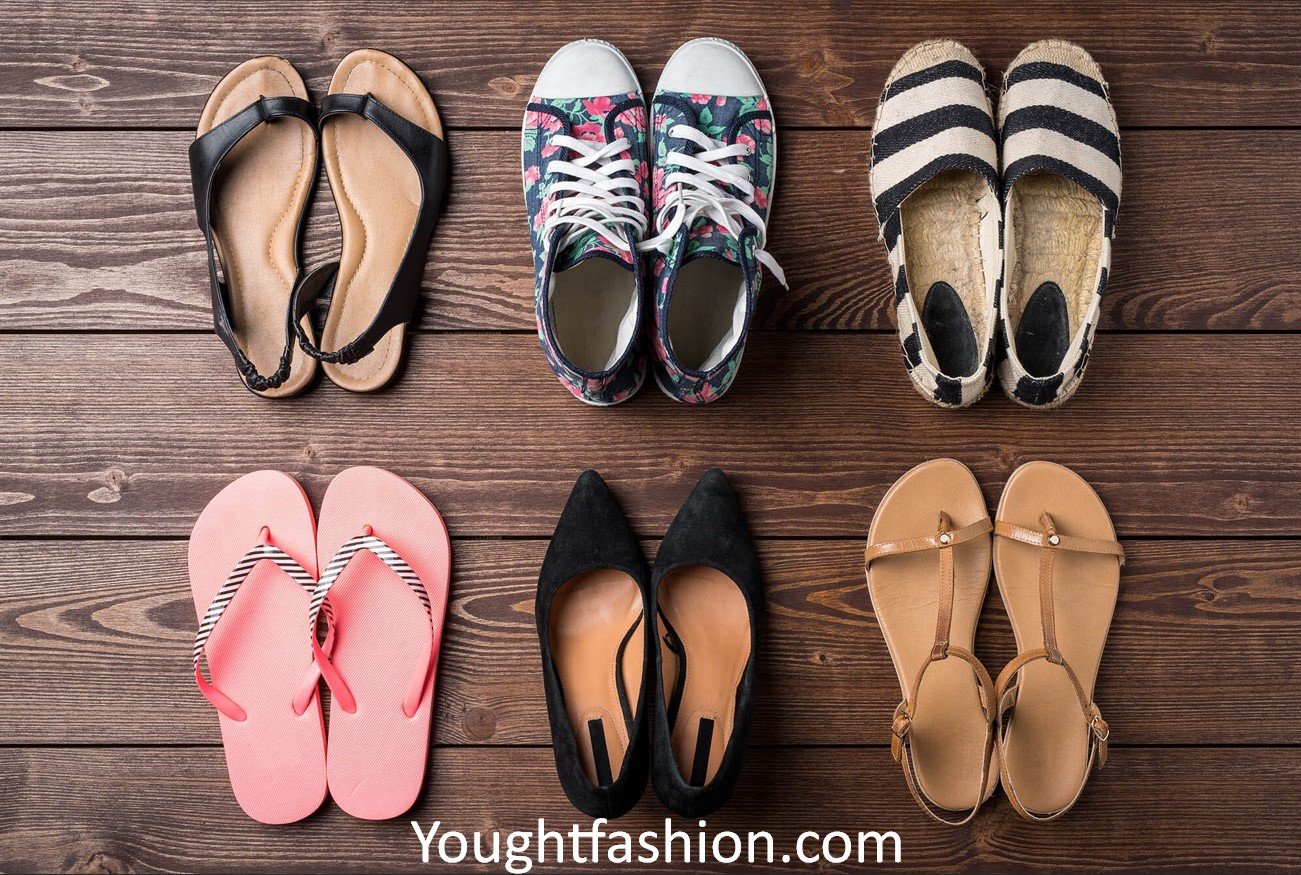
Building a practical wardrobe starts with understanding the different styles available. A well-rounded closet should include a mix of traditional, casual, and formal options.
1. Flats and Sandals
Flats remain the most popular choice for daily wear across India. They offer unmatched comfort for long hours of walking.
- Ballet Flats: These closed-toe shoes slide on easily and pair beautifully with ankle-length jeans, formal trousers, and even kurtis. They offer a neat, polished look.
- Kolhapuris and Sliders: Perfect for casual outings, these open-toe flats let your feet breathe during hot Indian summers.
- Gladiator Sandals: Featuring multiple straps, gladiators provide excellent grip and add a boho-chic vibe to summer dresses.
2. Heels
Heels instantly elevate your posture and add grace to your walk. However, not all heels are created equal.
- Kitten Heels: These short, slender heels (usually under 2 inches) offer a touch of elegance without the pain of high stilettos. They work perfectly for office wear.
- Block Heels: Featuring a wider base, block heels distribute your body weight evenly. They provide excellent stability, making them ideal for outdoor Indian weddings where you might walk on grass.
- Stilettos: The classic high heel. While they look stunning with cocktail dresses and designer sarees, save them for events where you will do minimal standing.
3. Wedges
Wedges offer the height of a heel with the stability of a flat. The sole runs under the entire length of the foot, reducing the strain on your arches. Pair them with flared jeans, maxi dresses, or salwar suits for a comfortable, elevated look.
4. Sneakers and Athletic Shoes
The sneaker trend has officially taken over the Indian fashion scene. Women now prioritize comfort alongside style.
- White Casual Sneakers: A staple in modern wardrobes. White sneakers pair effortlessly with everything from denim shorts to floral summer dresses.
- Running Shoes: Designed specifically for forward motion, running shoes feature thick cushioning and shock absorption to protect your joints during exercise.
- Slip-On Sneakers: Convenient and comfortable, slip-ons eliminate the hassle of laces. They serve as excellent travel companions.
5. Ethnic Footwear (Juttis and Mojaris)
No Indian wardrobe is complete without traditional footwear. Punjabi juttis and Rajasthani mojaris feature intricate embroidery, beadwork, and mirror embellishments. Modern brands now incorporate padded insoles into these traditional designs, making them comfortable enough for daily college wear or office ethnic days.
6. Boots
While boots might seem suited only for cold climates, they have found a place in Indian winter fashion, particularly in northern regions. Ankle boots and Chelsea boots add an edgy flair to skinny jeans and winter coats.
Read More: Organza Saree
Choosing Footwear for Different Occasions
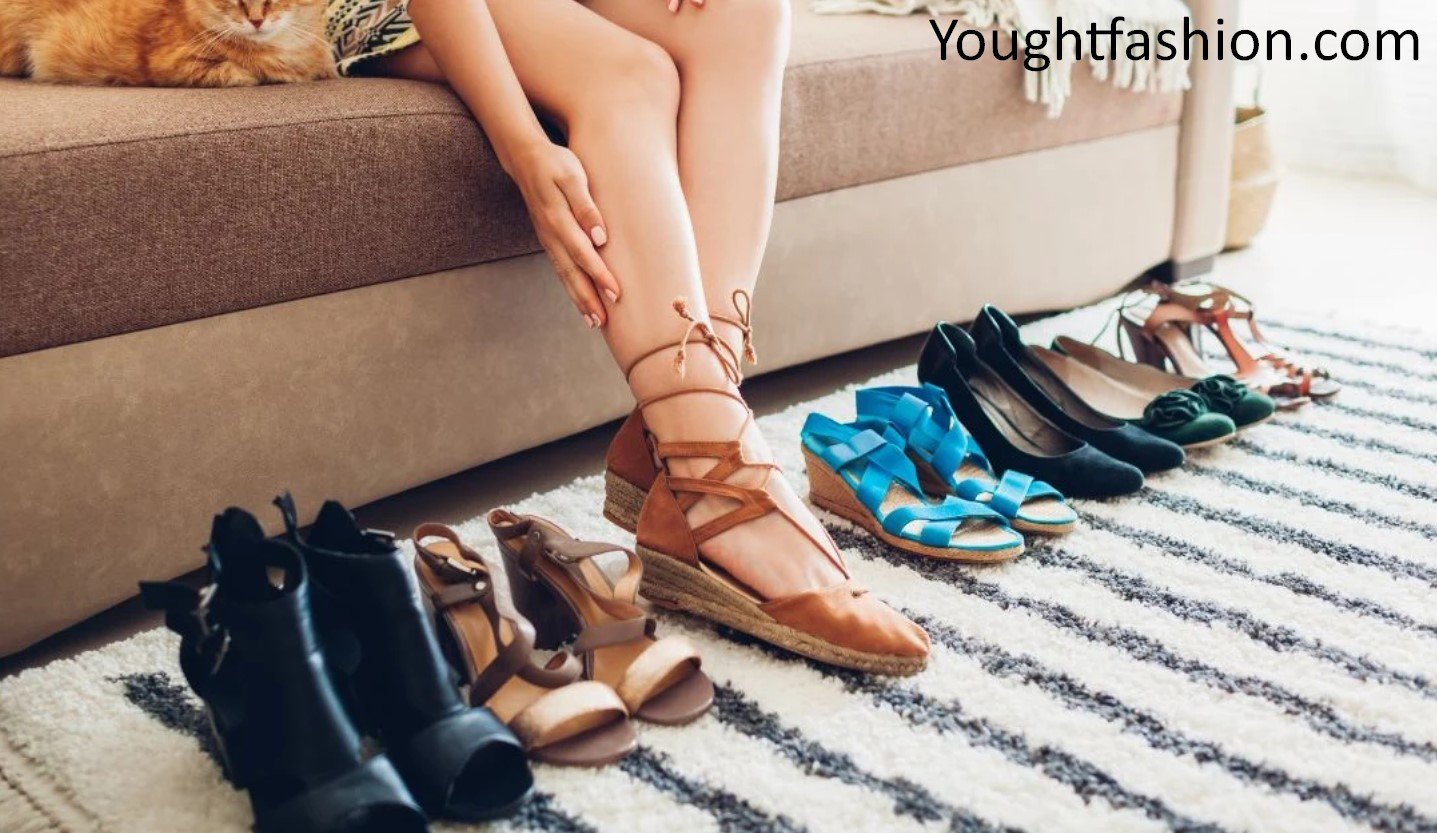
Matching your shoes to the event ensures you look appropriate and feel comfortable all day.
Office and Professional Wear
Corporate environments demand polished, closed-toe footwear. Invest in neutral colors like black, tan, beige, and navy. Classic pumps, structured loafers, and neat ballet flats work best. If you commute via public transport, keep a pair of comfortable walking shoes for the journey and change into your formal shoes at the desk.
Festive and Wedding Season
Indian weddings require stamina. You will be standing, dancing, and socializing for hours. Avoid needle-thin stilettos that sink into lawns or cause blisters. Instead, opt for embellished block heels, metallic wedges, or heavily embroidered juttis. Gold, silver, and rose-gold metallic tones act as neutrals in ethnic fashion, matching almost any lehenga or saree.
Casual Outings and Weekend Brunches
Weekends call for relaxed footwear. Canvas sneakers, strappy flats, and comfortable sliders fit perfectly. If you plan to walk around a mall or explore a street market, prioritize shoes with good arch support to prevent foot fatigue.
Monsoon Ready
The Indian monsoon requires specialized footwear. Leather and suede are strictly off-limits. Look for washable, water-resistant materials like PVC, rubber, and quick-drying synthetics. Crocs, jelly flats, and sturdy rubber sandals with deep treads prevent slipping on wet, mossy streets.
Understanding Foot Shape and Finding the Perfect Fit
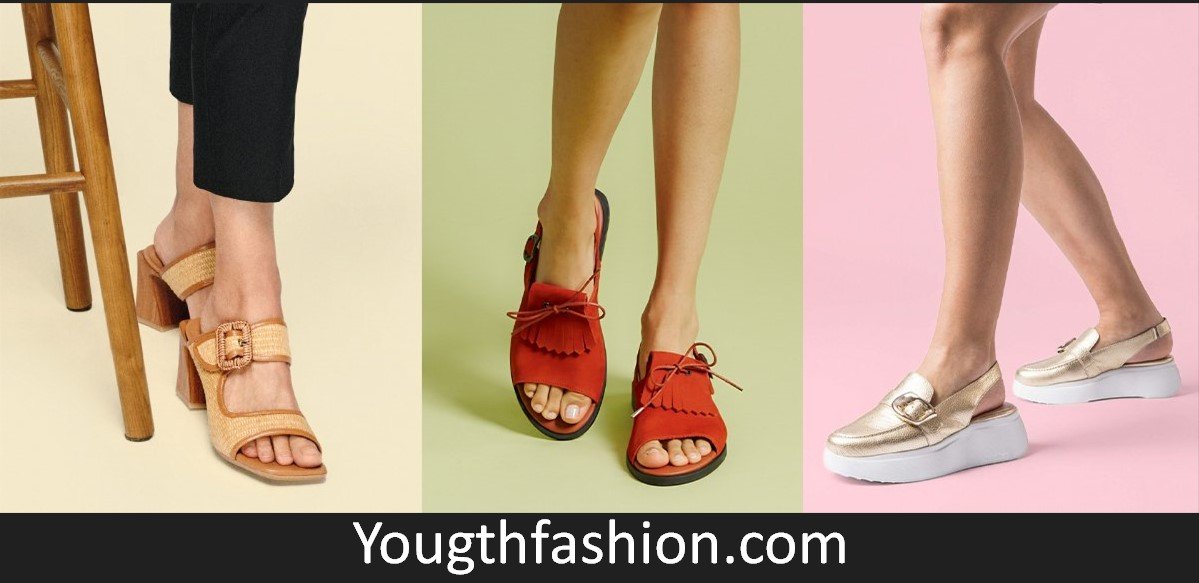
Wearing the wrong shoe size leads to bunions, corns, and chronic back pain. Finding the perfect fit requires understanding your unique foot anatomy.
Identify Your Arch Type
- Flat Feet: If your entire foot touches the ground, you have flat feet. Look for shoes with built-in orthotic support and structured soles to prevent overpronation (rolling inward).
- High Arches: If only your heel and the ball of your foot touch the ground, you have high arches. You need shoes with thick shock-absorbing midsoles to compensate for your foot’s lack of natural shock absorption.
- Neutral Arches: If you have a defined but moderate arch, most shoes will fit you comfortably. Focus on general cushioning and toe room.
Wide vs. Narrow Feet
Many Indian women have naturally wider feet. Squeezing a wide foot into a narrow, pointed shoe causes painful blisters and long-term nerve damage. Always check if a brand offers “Wide” (W) sizing. Round-toe and square-toe designs accommodate wider feet much better than pointed toes.
Expert Sizing Tips
Always measure your feet at the end of the day. Feet naturally swell and expand after hours of walking. Furthermore, ensure there is at least a half-inch of space between your longest toe and the tip of the shoe. If your heel slips out when walking, the shoe is too large.
Click Here: Party Wear Dress for Women
Top Materials Used in Women’s Footwear
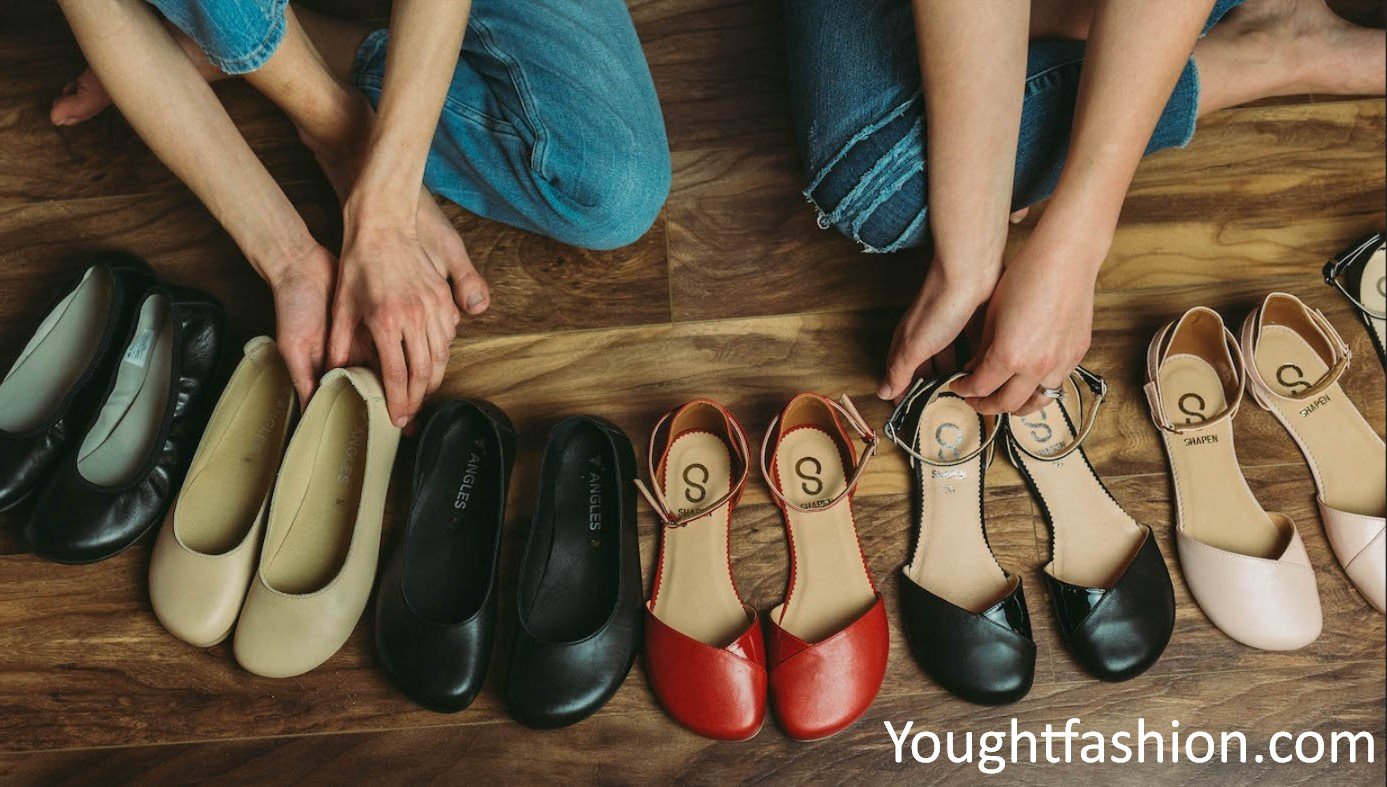
The material determines the lifespan, breathability, and comfort of the shoe.
- Genuine Leather: Highly durable, breathable, and molds to the shape of your foot over time. Leather remains the premium choice for formal shoes, though it requires regular polishing and conditioning.
- Synthetic Leather (PU/Vegan Leather): A cost-effective, cruelty-free alternative to genuine leather. It resists water better but lacks the breathability of real leather, making it prone to trapping sweat in hot climates.
- Canvas: A lightweight, woven fabric used primarily in sneakers. Canvas breathes extremely well and can often be machine-washed, making it perfect for casual daily wear.
- EVA (Ethylene Vinyl Acetate): A highly elastic, foam-like material used in the soles of running shoes and modern comfort sandals. It provides incredible shock absorption without adding weight.
Comparison Table: Flats vs. Heels vs. Sneakers
Understanding the differences between the primary shoe categories helps you make smarter purchasing decisions.
| Feature | Flats & Loafers | Heels & Wedges | Sneakers & Athletic |
| Primary Use | Daily wear, casual, office | Formal, parties, weddings | Walking, sports, casual |
| Comfort Level | High (if padded) | Low to Medium | Very High |
| Foot Health Impact | Good (with arch support) | Poor (strains calves/back) | Excellent (joint protection) |
| Versatility | Very Versatile | Occasion Specific | Highly Versatile |
| Maintenance | Easy to clean | Requires careful storage | Machine washable (mostly) |
Pros and Cons of Popular Shoe Styles
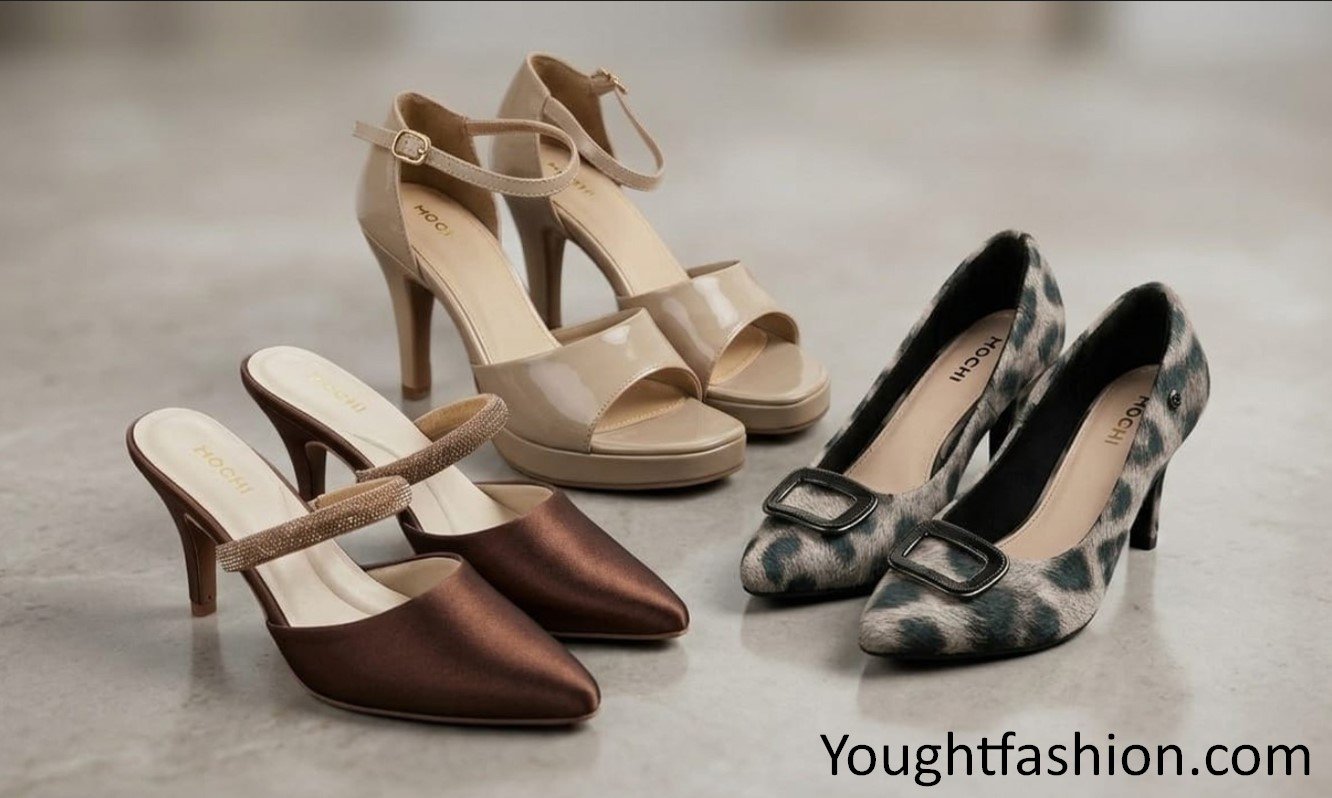
Every shoe style comes with specific advantages and drawbacks. Knowing these helps manage expectations.
Stilettos
- Pros: Visually lengthens the legs, enhances posture gracefully, and pairs perfectly with high-end formal wear.
- Cons: Puts immense pressure on the ball of the foot, alters spinal alignment, and increases the risk of ankle sprains.
Ballet Flats
- Pros: Easy to slip on, highly versatile, and fits easily into a handbag as a backup pair of shoes.
- Cons: Often lack adequate arch support; thin soles can cause heel pain if worn for heavy walking.
Chunky Sneakers
- Pros: Provides maximum cushioning, protects knee joints during impact, and aligns with current streetwear trends.
- Cons: Can look bulky with delicate clothing; traps heat during peak summer months.
Wedges
- Pros: Easier to balance on than stilettos; distributes weight across the entire foot bed.
- Cons: The inflexible, rigid sole can alter your natural walking gait, leading to heavy footsteps.
Read More: Bodycon Dress
Shoe Care Guide: Surviving the Indian Climate
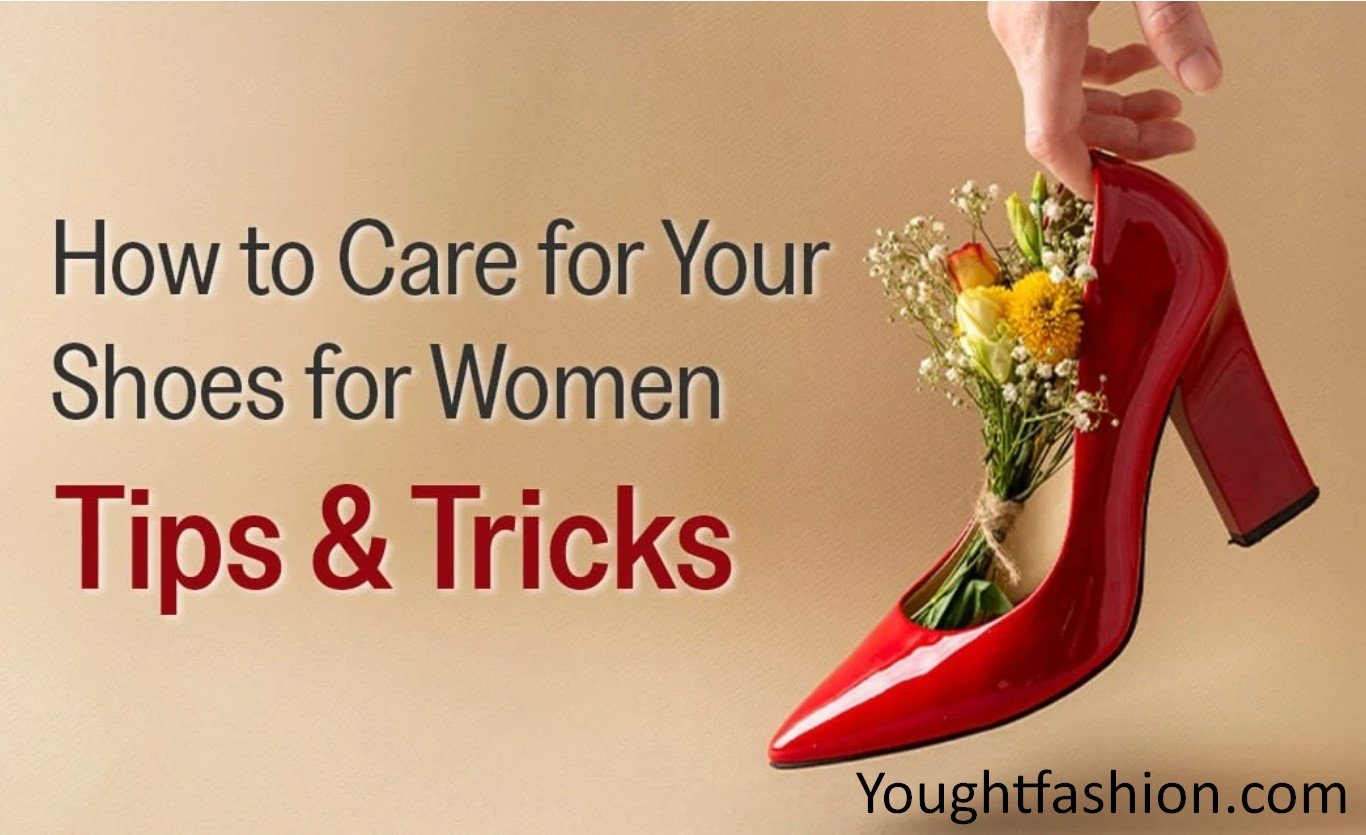
Investing in good ladies shoes means nothing if you do not maintain them. The Indian climate presents unique challenges, from monsoon mud to summer dust.
1. Monsoon Protection
Never store wet shoes in a dark, enclosed shoe rack. Moisture breeds fungus and destroys the adhesive holding the sole together. Stuff wet shoes with crumpled newspaper to absorb moisture from the inside and let them dry under a fan. Never dry leather shoes under direct sunlight or with a hair dryer, as the material will crack.
2. Beating Dust and Grime
For canvas shoes and sneakers, use a soft-bristled toothbrush dipped in mild soapy water to scrub away dirt. For leather shoes, use a dedicated horsehair brush to remove daily dust before it settles into the creases. Apply a wax-based polish every two weeks to nourish the leather and maintain its shine.
3. Smart Storage Solutions
Humidity is the enemy of footwear. Keep silica gel packets inside your shoe cabinet to absorb excess moisture in the air. If you own expensive occasion-wear shoes (like heavily embroidered wedding heels), store them in breathable cotton dust bags rather than plastic boxes.
4. Rotating Your Shoes
Never wear the same pair of shoes two days in a row. Shoes need at least 24 hours to air out and allow the interior cushioning to decompress. Rotating between two or three pairs significantly extends the lifespan of your entire collection.
Top Footwear Brands for Women in India
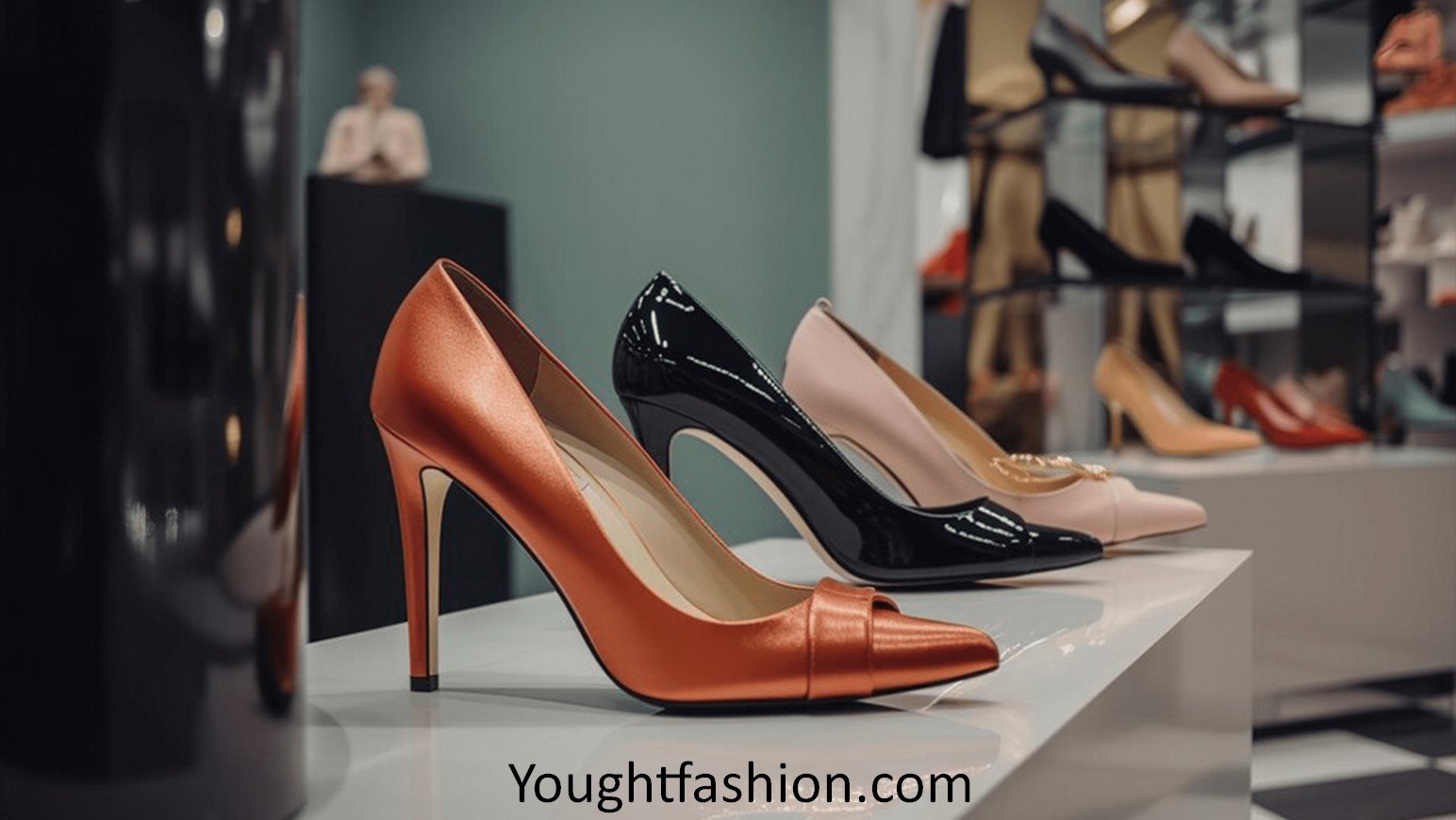
The Indian footwear market offers incredible variety, catering to every budget and aesthetic preference.
- Bata: A household name in India. Bata provides unmatched durability and has recently revamped its designs to offer highly trendy, comfortable office wear and casuals.
- Metro & Mochi: Excellent destinations for festive and wedding footwear. They offer a vast collection of embellished heels, ethnic flats, and formal party shoes.
- Clarks: Known globally for superior foot mechanics. If you suffer from foot pain and need high-quality leather with built-in orthotic support, Clarks is a premium, worthy investment.
- Skechers: The undisputed king of comfort sneakers. Their memory foam insoles make them the best choice for women who stand or walk for long hours.
- Puma & Nike: Leading the athleisure trend, these brands offer top-tier running shoes and trendy casual sneakers that dominate street style.
- Fizzy Goblet: A modern, premium brand that revolutionized traditional Indian footwear by adding thick padding to traditional juttis, merging ethnic aesthetics with modern comfort.
Frequently Asked Questions (FAQs)
1. What are the best shoes for standing all day?
If your job requires constant standing (like teaching or retail), prioritize sneakers with memory foam, such as Skechers, or supportive slip-ons with thick EVA soles. Look for wide toe boxes and deep heel cups to stabilize your foot.
2. How can I measure my shoe size accurately at home?
Place a piece of paper against a wall. Stand on the paper with your heel firmly touching the wall. Mark the tip of your longest toe on the paper. Measure the distance from the edge of the paper to the mark in centimeters. Compare this measurement against a brand’s specific sizing chart.
3. What is the difference between wedges and platform heels?
A wedge heel runs continuously from the heel to the toe, completely filling the space under the arch. A platform shoe simply has a very thick sole under the front part of the foot, which reduces the severe angle of the high heel attached to the back.
4. What is the best footwear for the Indian monsoon?
Avoid canvas, suede, and leather. Opt for synthetic materials, PVC, or rubber. Crocs, jelly shoes, and sandals with deep, anti-slip rubber treads are the safest and most hygienic options for navigating waterlogged streets.
5. How do I stop new shoes from biting my feet?
Shoe bites usually happen at the back of the heel. Rub petroleum jelly or a specialized anti-friction stick on the inside edge of the new shoe. Alternatively, wear thick socks and blow-dry the tight areas of the shoe to stretch the material slightly before your first wear.
6. Can I wear sneakers with traditional Indian wear?
Absolutely. The “sneakers under a lehenga” trend is highly popular for weddings, especially for the bride or bridesmaids during the Sangeet ceremony. White sneakers also pair beautifully with casual cotton kurtis and ankle-length leggings.
7. How often should I replace my daily wear shoes?
If you wear the same pair almost every day, replace them every 6 to 8 months. For running shoes, experts recommend replacement after 500 to 800 kilometers of use. Once the tread wears smooth or the midsole feels hard and compressed, the shoe is no longer protecting your joints.
8. What are the best shoes for wide feet?
Look for shoes with a rounded or square toe box. Avoid pointed stilettos or narrow ballet flats. Brands with mesh uppers (like athletic sneakers) are excellent because the material stretches to accommodate wider foot dimensions.
9. How do I clean white sneakers to keep them looking new?
Mix baking soda and mild laundry detergent into a paste. Use a toothbrush to scrub the canvas and the rubber soles. Let the paste sit for 15 minutes, then wipe clean with a damp cloth. Avoid throwing them in the washing machine too often, as it degrades the glue.
10. Are high heels really bad for daily wear?
Yes. Wearing heels over 2 inches daily shortens your calf muscles, shifts your center of gravity forward, and puts excessive stress on your knees and lower back. Save high heels for special occasions and rely on flats, wedges, or supportive sneakers for everyday wear.
Final Thoughts on Building Your Shoe Wardrobe
Navigating the world of ladies shoes does not have to be overwhelming. The secret lies in balancing aesthetics with biomechanical function. A beautiful shoe that leaves you with blisters and backache will quickly find its way to the back of your closet, making it a poor investment.
Start by analyzing your daily routine. Invest heavily in the category you wear most often—be it sturdy office loafers, cushioned walking sneakers, or versatile ethnic flats. Pay attention to the materials, understand your specific arch type, and never compromise on fit just because a design is currently trending.
By prioritizing comfort, maintaining your footwear properly, and selecting the right styles for the demanding Indian climate, you can curate a shoe collection that looks incredible, lasts for years, and keeps your feet healthy step after step.
Learn More: