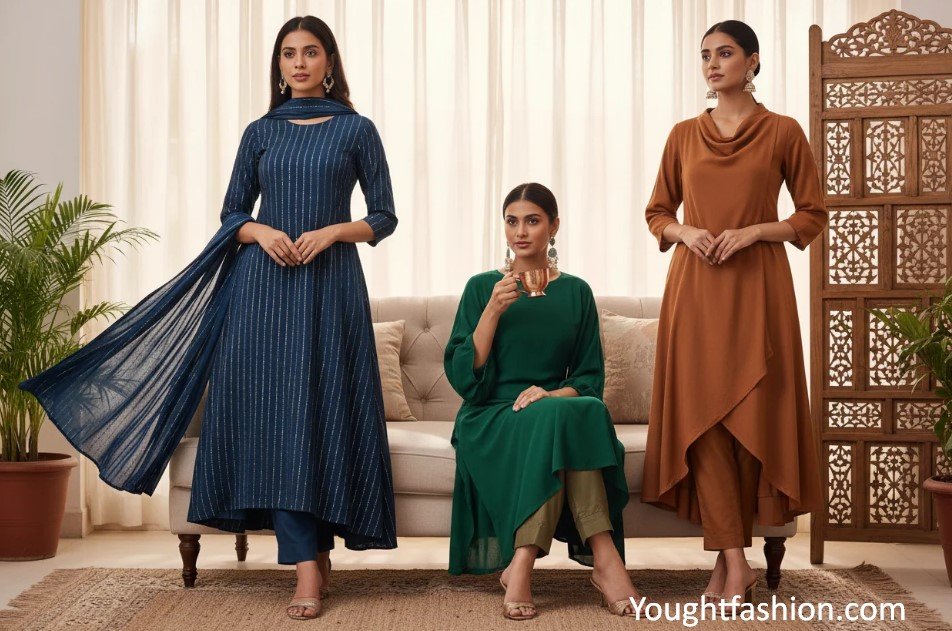
The Ladies Kurti: Styles, Fabrics & Styling Tips (2026)
The ladies kurti has evolved from a simple traditional garment into a global fashion phenomenon. Today, it stands as a cornerstone of the modern Indian woman’s wardrobe. Whether you are stepping out for a casual college day, leading a board meeting, or attending a grand festive celebration, the right kurti effortlessly bridges the gap between comfort and style.
In India, ethnic wear carries deep cultural roots. Yet, the beauty of the kurti lies in its incredible adaptability. You can pair it with denim for an Indo-western fusion look or match it with an intricately woven Banarasi dupatta for pure traditional elegance. This versatility has made the garment a favorite across all age groups and demographics.
Finding the perfect piece, however, goes beyond just picking a beautiful color. It involves understanding the intricate details of cuts, fabric properties, necklines, and how these elements complement your specific body shape. With fashion trends shifting rapidly, staying updated on the latest designs ensures your wardrobe remains fresh and functional.
This comprehensive guide will walk you through everything you need to know. From decoding the most popular silhouettes to mastering the art of accessorizing, you will discover how to elevate your ethnic game. We will explore different materials, analyze which styles flatter specific figures, and answer all your burning styling questions.
1. The Evolution of the Ladies Kurti
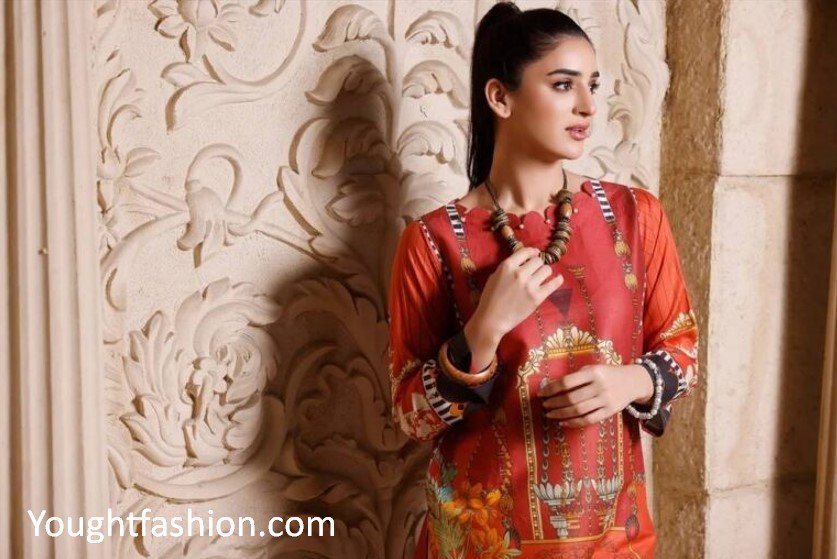
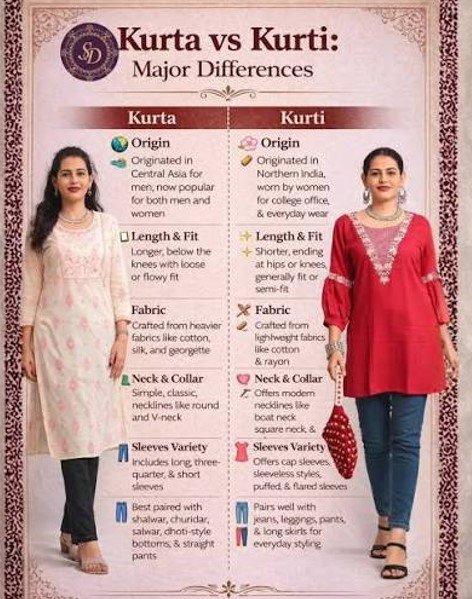
Historically, the term “kurta” referred to a long, loose-fitting tunic worn primarily by men in the Indian subcontinent. Over time, the garment underwent a significant transformation, giving birth to the shorter, more tailored “kurti” designed exclusively for women. This shift marked a revolution in women’s everyday fashion, offering an alternative to the cumbersome saree or the traditional salwar kameez.
During the late 1990s and early 2000s, college-going girls in India began experimenting by pairing short kurtis with blue jeans. This simple act of rebellion against strict traditional codes birthed the Indo-western fusion trend. It provided women with unmatched mobility while retaining a strong cultural identity.
Today, high-end designers and fast-fashion brands alike experiment with this silhouette. We see the integration of western cuts, asymmetrical hemlines, and modern prints into traditional craftsmanship. The garment has successfully crossed international borders, becoming a staple in bohemian fashion globally. It is a testament to how practical design can stand the test of time, adapting to the needs of the modern, multitasking woman.
2. Top Styles of Ladies Kurtis Every Woman Must Own
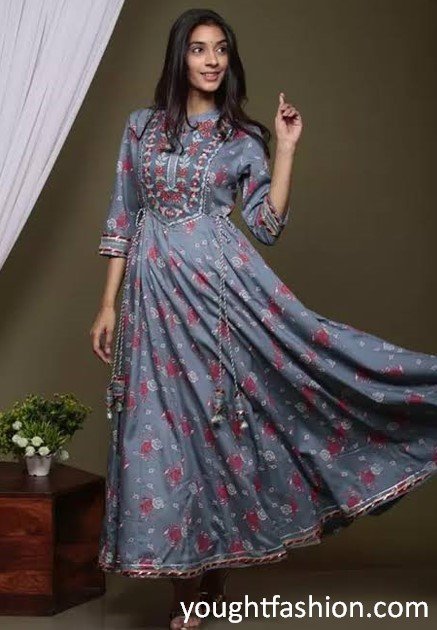
Building a versatile ethnic wardrobe requires a healthy mix of different silhouettes. Each cut serves a unique purpose, catering to specific occasions and body shapes.
A-Line Kurti
The A-line kurti is a universal favorite. As the name suggests, it flares out gently from the waist, forming the shape of the letter ‘A’. This design typically reaches the calf or ankle. It remains highly popular because it easily conceals wider hips while accentuating the upper torso. You can wear an A-line cut for casual outings, office wear, or even small festive gatherings depending on the fabric and embroidery.
Anarkali Kurti
Inspired by the royal courts of the Mughal era, the Anarkali kurti radiates elegance. It features a fitted bodice that dramatically flares out into multiple panels (kalis) towards the bottom. This regal silhouette is the go-to choice for Indian weddings, Diwali parties, and formal receptions. Floor-length Anarkalis can even eliminate the need for bottom wear, acting as a standalone ethnic gown.
Straight-Cut Kurti
Professional, sleek, and universally flattering, the straight-cut kurti falls vertically without any flare. It features side slits that start around the waist or hips, allowing for easy movement. This style forms the backbone of Indian formal workwear. When stitched in crisp cotton and paired with straight pants, it creates a sharp, commanding look that works beautifully in corporate environments.
Angrakha Kurti
The Angrakha style traces its origins to musicians in ancient Indian courts. It features two contrasting or similar flaps of fabric that overlap and tie at the side, usually finished with traditional tassels (latkans). This wrap-around illusion creates a highly feminine and traditional aesthetic. It works wonderfully for pre-wedding functions like Mehndi or Sangeet ceremonies.
Front-Slit Kurti
For women looking to add a modern twist to their ethnic wardrobe, the front-slit kurti is an excellent choice. Instead of the traditional side slits, this garment features a bold slit running down the center front. It is designed to be worn over statement bottoms like palazzos, skirts, or distressed denim. This style naturally draws the eye vertically, giving the illusion of a taller frame.
Flared Kurti
Not to be confused with the Anarkali, the flared kurti is generally shorter and features a loose, breezy flare that doesn’t necessarily start from a fitted bodice. It closely resembles a western peplum top or a short dress. Young women frequently pair these with slim-fit jeans or wear them entirely on their own as a summer dress during vacations.
Asymmetrical Kurti
Breaking away from standard straight hemlines, the asymmetrical kurti features an uneven bottom edge. This could mean a “C-cut” (shorter in the front, longer in the back) or a side-swept hemline. The irregular cut adds immediate visual interest and a playful vibe, making it perfect for casual brunches, college wear, or evening dates.
3. Choosing the Right Fabric for Your Climate and Occasion
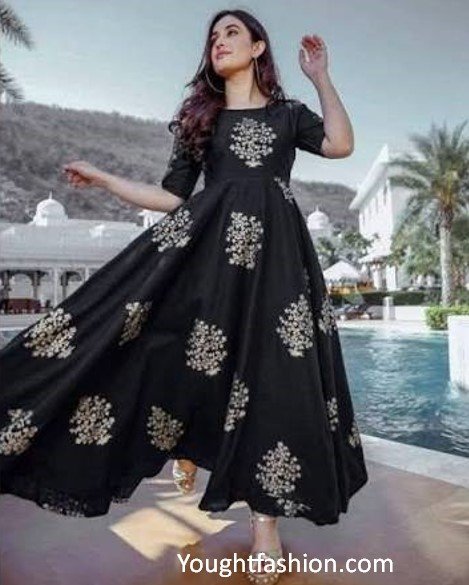
The fabric dictates the fall, comfort, and appropriate setting for your garment. India’s diverse climate demands a wardrobe that transitions smoothly from scorching summers to chilly winters.
Cotton: The Summer Essential
Nothing beats pure cotton during the humid Indian summer. It is highly breathable, absorbs sweat efficiently, and feels incredibly soft against the skin. Cotton garments often feature vibrant block prints, Chikankari work, or simple solid dyes. They are mandatory for daily wear, office commutes, and casual errands.
Silk: The Festive Favorite
When the occasion demands luxury, silk steps in. Fabrics like Chanderi silk, Banarasi silk, or Tussar silk carry a natural sheen that instantly elevates the outfit. Silk holds heavy embroidery and Zari work beautifully. Keep these reserved for weddings, grand pujas, and winter festivities, as the material traps heat.
Rayon: The Flawless Drape
Rayon has surged in popularity because it mimics the luxurious drape of silk but breathes much like cotton. It feels cool to the touch and falls beautifully over the body without clinging to problem areas. Manufacturers frequently use rayon for Anarkalis and A-line cuts because it twirls and flows magnificently.
Georgette and Chiffon: Sheer Elegance
For evening parties and cocktail events, lightweight fabrics like georgette and chiffon are ideal. They are slightly sheer, incredibly lightweight, and offer a very slimming effect. Because these fabrics flow closely to the body, they are perfect for straight cuts and layered styles. They typically require a soft inner lining.
Wool and Velvet: Winter Warmth
During the North Indian winters, ethnic wear shifts toward velvet and woolen blends. Velvet kurtis embroidered with intricate thread work look incredibly regal and provide much-needed warmth. Pashmina and Kashmiri wool styles are also highly sought after for elegant winter daytime events.
4. Mastering Kurti Lengths and Necklines
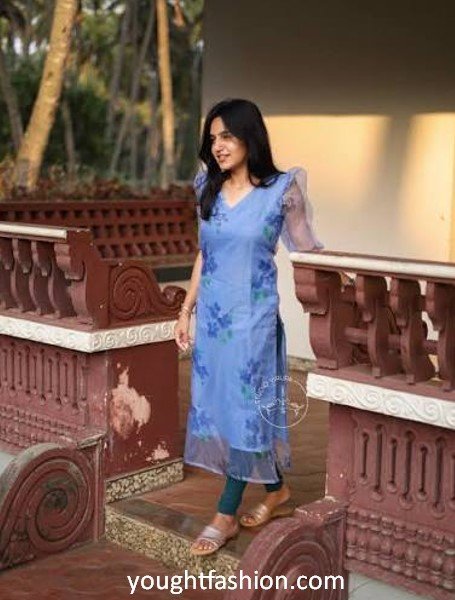
Understanding proportions can dramatically alter how a garment looks on your frame.
Lengths:
- Short (Mid-thigh): Best paired with jeans, shorts, or patiala salwars. Great for a youthful, college-ready look.
- Knee-Length: The most versatile length. Works with leggings, churidars, and straight pants. Ideal for office wear.
- Calf-Length: Highly trendy right now. Pairs exceptionally well with palazzos and skirts. Gives a sophisticated, mature vibe.
- Floor-Length: Acts as a gown. Requires high heels and minimal bottom-wear visibility. Perfect for formal celebrations.
Necklines:
- Boat Neck: Broadens the shoulders. Great for pear-shaped bodies.
- V-Neck: Elongates the neck and draws the eye downward. Highly flattering for round faces and heavier busts.
- Mandarin Collar: Gives a crisp, formal, and structured look. Excellent for professional environments.
- Sweetheart Neckline: Traditional and feminine, often used in heavily embroidered party wear to frame statement necklaces.
5. How to Style a Ladies Kurti for Different Occasions
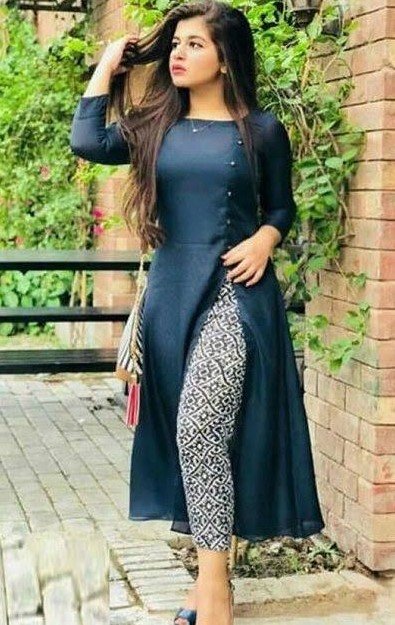
A single piece of clothing can transform completely based on how you style it. Here is how to adapt your ethnic wear for various settings.
Office Wear
Workplace attire demands professionalism and comfort. Opt for straight-cut cotton or linen kurtis in muted tones—think pastels, earth tones, or classic black and white. Keep the prints minimal; geometric patterns or subtle stripes work well. Pair them with ankle-length cigarette pants. Keep jewelry restricted to small studs and a classic wristwatch. Finish the look with comfortable block heels or leather flats.
Casual Outings
For a movie date or a shopping trip, prioritize comfort without sacrificing style. A short, flared kurti paired with distressed blue jeans creates the perfect Indo-western look. Alternatively, a simple A-line cut over breathable cotton palazzos ensures you stay cool all day. Accessorize with a woven sling bag, silver oxidized jhumkas, and comfortable juttis (traditional slip-on shoes).
Festive and Wedding Wear
Festivals call for rich colors, luxurious fabrics, and heavy detailing. Choose a floor-length Anarkali or a heavily embellished straight kurti. Jewel tones like emerald green, ruby red, and royal blue look stunning under evening lights. Pair your garment with a matching or contrasting embellished dupatta. Layer on traditional Kundan or Polki jewelry, wear high heels to enhance the garment’s flare, and carry an embroidered potli bag.
6. Pairing Your Kurti: Bottoms That Make a Difference
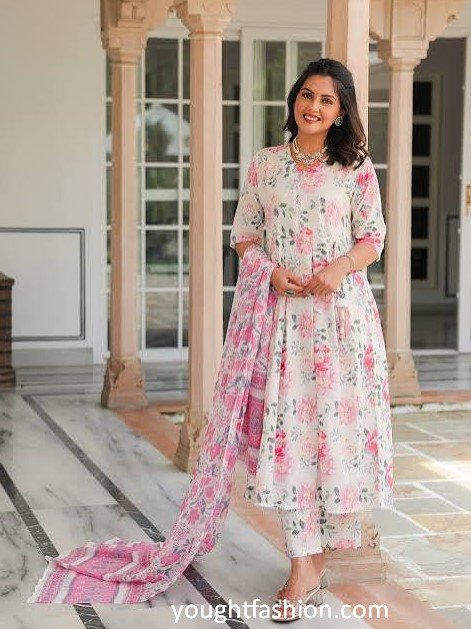
The right bottom wear can completely change the silhouette of your outfit.
- Leggings and Churidars: The traditional choice. They provide a fitted look from the waist down. Best paired with A-line, Anarkali, or knee-length straight cuts. They balance out the volume of the upper garment.
- Palazzos: Wide-legged and breezy. They add an element of modern sophistication. Pair wide palazzos with straight or side-slit kurtis to create a balanced, flowy aesthetic.
- Cigarette Pants: Tailored, straight-fit pants that usually end at the ankle. They are the modern woman’s best friend for office wear, providing a sharp, formal edge.
- Jeans: The ultimate fusion choice. Skinny jeans work well with short flares, while straight or mom-jeans pair beautifully with front-slit designs.
- Skirts: Wearing a long ethnic skirt under a straight or asymmetrical kurti creates a heavy, lehenga-like illusion perfect for weddings and festive functions.
- Shararas: Flared, pleated trousers that widen dramatically from the knee down. Currently a massive trend for wedding guest attire when paired with short, straight kurtis.
7. Ladies Kurti Comparison Table: Which Style Suits Your Body Type?
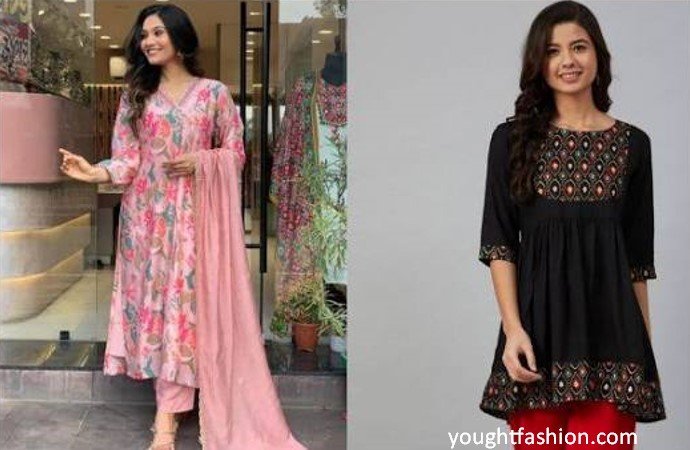
Understanding your body shape is crucial for selecting a flattering fit. Use this comparative guide to make an informed decision.
| Kurti Style | Best Suited Body Type | Ideal Occasion | Recommended Bottom Wear |
| A-Line | Pear, Apple, Hourglass | Casual, Office, Daily Wear | Leggings, Slim Pants |
| Anarkali | Rectangle, Pear, Tall | Weddings, Festive | Churidar, None (if floor-length) |
| Straight-Cut | Apple, Hourglass, Petite | Professional, Formal | Cigarette Pants, Palazzos |
| Front-Slit | Petite, Hourglass | Parties, Indo-Western | Jeans, Skirts |
| Angrakha | Apple, Rectangle | Pre-wedding, Traditional | Leggings, Churidar |
| Flared/Peplum | Inverted Triangle, Slim | Casual, College | Skinny Jeans, Shorts |
8. Pros and Cons of Wearing Ladies Kurtis
Pros:
- Supreme Comfort: Unlike heavy sarees or tightly fitted western dresses, they offer excellent breathability and ease of movement.
- Highly Versatile: Easily transitions from a casual morning look to an elegant evening outfit with a simple change of accessories.
- Body Positive: With so many cuts available, there is a flattering silhouette for absolutely every body type, size, and age.
- Cost-Effective: You can mix and match one top with multiple bottoms (jeans, leggings, palazzos) to create several distinct outfits.
Cons:
- Fabric Shrinkage: Natural fabrics like pure cotton and linen are prone to shrinking after the first wash if not handled correctly.
- Color Bleeding: Hand-dyed pieces, especially Indigo and block prints, often bleed color heavily during initial washes.
- Ironing Dependency: Cotton and rayon require strict ironing; they wrinkle very quickly with regular sitting and movement.
9. The Rise of Sustainable and Handloom Kurtis
As consumers become more environmentally conscious, the Indian fashion industry has witnessed a massive shift toward sustainable and ethical fashion. Women are increasingly moving away from synthetic fast-fashion materials in favor of authentic, handwoven textiles.
Handloom fabrics like Khadi, Ikat, Mangalgiri, and Sambalpuri are experiencing a major revival. These fabrics are not only eco-friendly but also support local artisan communities across rural India. A handloom kurti boasts a unique texture and subtle imperfections that mass-produced garments cannot replicate.
Furthermore, natural dyeing techniques using vegetable colors, turmeric, indigo, and madder root are replacing harmful chemical dyes. Investing in a sustainable wardrobe means you are purchasing highly durable, breathable garments that leave a minimal carbon footprint while preserving centuries-old Indian craftsmanship.
10. How to Accessorize Your Kurti Like a Pro
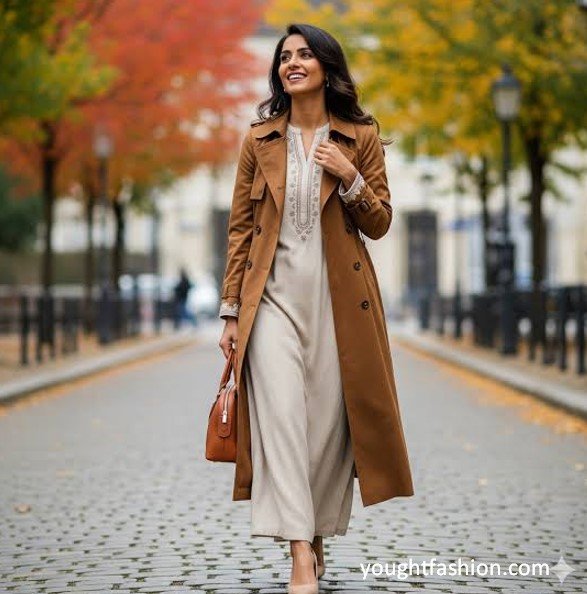
Accessories can make or break your ethnic ensemble. The trick is to strike a balance so that the jewelry complements the garment rather than overpowering it.
Jewelry:
- Oxidized Silver: The holy grail for casual cotton outfits. Chunky silver necklaces, heavy jhumkas, and thick bangles look incredible against indigo, black, and earthy tones.
- Gold and Polki: Reserve these for heavy silk and festive wear. A heavy choker works beautifully with a sweetheart or deep round neckline.
- Minimalist Gold/Rose Gold: Perfect for the office. Think thin chains with a small pendant and delicate stud earrings.
Footwear:
- Juttis and Mojaris: Traditional flat shoes that come in various colors and embroideries. They are highly comfortable and look exceptionally cultural.
- Block Heels and Kolhapuris: Strappy Kolhapuri wedges or block heels add height while providing the stability needed for long festive nights.
- Sneakers: For a quirky, modern fusion look, pairing a short cotton top and jeans with stark white sneakers is a major Gen-Z trend.
Bags:
Swap out your structured corporate tote for something more aligned with the aesthetic. Slouchy boho bags with mirror work, traditional Potli bags with drawstrings, or elegant metallic clutch purses elevate the ethnic appeal of the outfit.
11. Tips for Maintaining and Washing Your Ethnic Wear
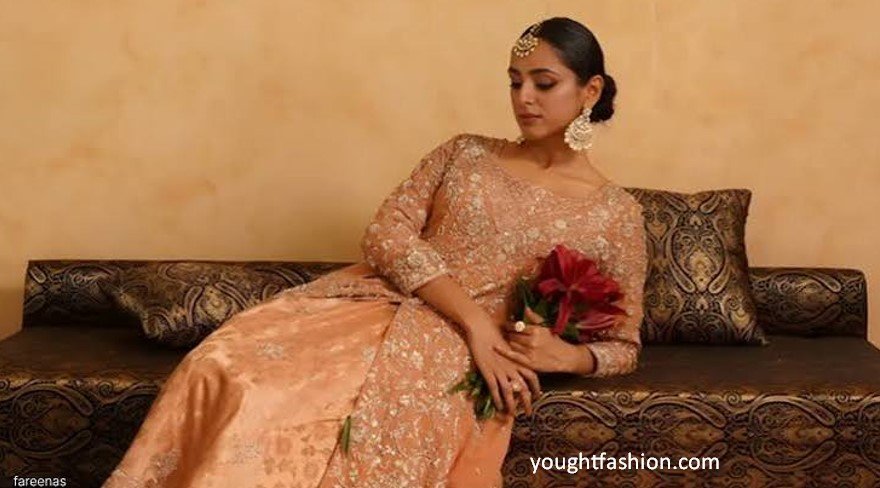
Proper care extends the lifespan of your ethnic garments significantly, keeping the colors vibrant and the fabric intact.
- First Wash Separately: Always wash new cotton, block-printed, or hand-dyed garments separately. Add a pinch of rock salt to cold water during the first soak to help lock in the dye.
- Avoid Harsh Detergents: Use mild, liquid detergents meant for delicate fabrics. Harsh bleaching agents will ruin embroidery and fade colors rapidly.
- Turn Inside Out: Always turn the garment inside out before washing and drying. This protects any surface embellishments like mirrors, beads, or sequins from friction.
- Dry in the Shade: Direct Indian sunlight is brutal and will fade dark colors quickly. Dry your clothes in a shaded, well-ventilated area.
- Dry Clean Heavy Wear: Silk garments, heavily embroidered Anarkalis, and pieces with delicate Zari work must strictly be dry-cleaned. Washing them at home can cause the heavy threads to snag or the fabric to lose its structural integrity.
- Ironing Care: Iron on the reverse side, especially if there is gold foil printing or delicate thread work. Use a steam iron for fabrics like rayon and georgette to remove wrinkles safely.
12. Frequently Asked Questions (FAQs)
1. What is the difference between a kurta and a kurti?
A kurta is traditionally longer, often reaching below the knees or mid-calf, and originated as a male garment. A kurti is the shorter, more modern, and tailored version designed specifically for women, usually ending at the waist, hips, or mid-thigh.
2. Which kurti style is best for a chubby or plus-size body type?
A-line and straight-cut silhouettes are highly flattering for plus-size figures. They skim over the body without clinging to the waist or hips. Opting for darker colors and vertical stripes can also provide a slimming optical illusion.
3. Can I wear a kurti to a formal corporate interview?
Yes, absolutely. A well-tailored, straight-cut cotton or linen piece in solid, muted colors (like beige, navy, or pastel blue) paired with crisp cigarette pants makes for a powerful, professional interview outfit in India.
4. What is the best fabric for daily wear in hot climates?
Pure cotton and pure linen are the absolute best choices. They are highly breathable, absorb moisture quickly, and do not trap body heat, keeping you cool throughout the day.
5. How do I stop my cotton clothes from shrinking?
Cotton naturally shrinks slightly. To minimize this, always wash them in cold water. Avoid hot water and machine dryers entirely. Gently stretch the fabric while it is still damp before hanging it out to dry.
6. What bottoms should I wear with a front-slit kurti?
Because the slit opens up the front to reveal the bottom wear, choose statement pieces. Wide-legged palazzos, distressed denim jeans, or even an ethnic maxi skirt work exceptionally well with front-slit designs.
7. Is it necessary to wear a dupatta with a kurti?
No, it is entirely optional. While traditional salwar kameez sets strictly require a dupatta, the modern ladies kurti is designed to be worn independently. You can add a scarf or dupatta for styling or modesty, but it is not a requirement.
8. How do I choose the right length for my height?
Petite women look great in shorter lengths or straight cuts paired with same-colored bottoms to create an illusion of height. Tall women carry off floor-length Anarkalis and calf-length A-lines beautifully. However, the knee-length straight cut flatters almost every height.
9. Can I wear an Anarkali casually?
While Anarkalis are typically associated with festive wear, a simple, non-embroidered Anarkali made of breathable cotton with light floral prints can easily be worn for casual daytime outings or office events.
10. How should I store heavily embroidered festive wear?
Never hang heavy Anarkalis on thin hangers, as the weight of the embroidery will stretch and pull the fabric out of shape. Fold them neatly, wrap them in clean, breathable muslin cloth (to prevent zari from oxidizing), and store them flat in a dry closet.
13. Conclusion
The ladies kurti is far more than just a piece of traditional clothing; it is a canvas of cultural expression, comfort, and modern style. Its journey from a simple ethnic tunic to a globally recognized fashion staple highlights its unmatched versatility. Whether you are building a crisp professional wardrobe, preparing for a lavish wedding season, or simply seeking comfortable daily wear, there is a silhouette, fabric, and style tailored perfectly for your needs.
By understanding your body type, experimenting with different bottom pairings, and prioritizing the right fabrics for the season, you can unlock the full potential of this incredible garment. Fashion is ultimately about feeling confident and comfortable in your own skin. Invest in high-quality fabrics, support sustainable handloom weavers where possible, and do not be afraid to mix and match traditional aesthetics with modern trends. Embrace the elegance of the ladies kurti, and make it your signature style statement.