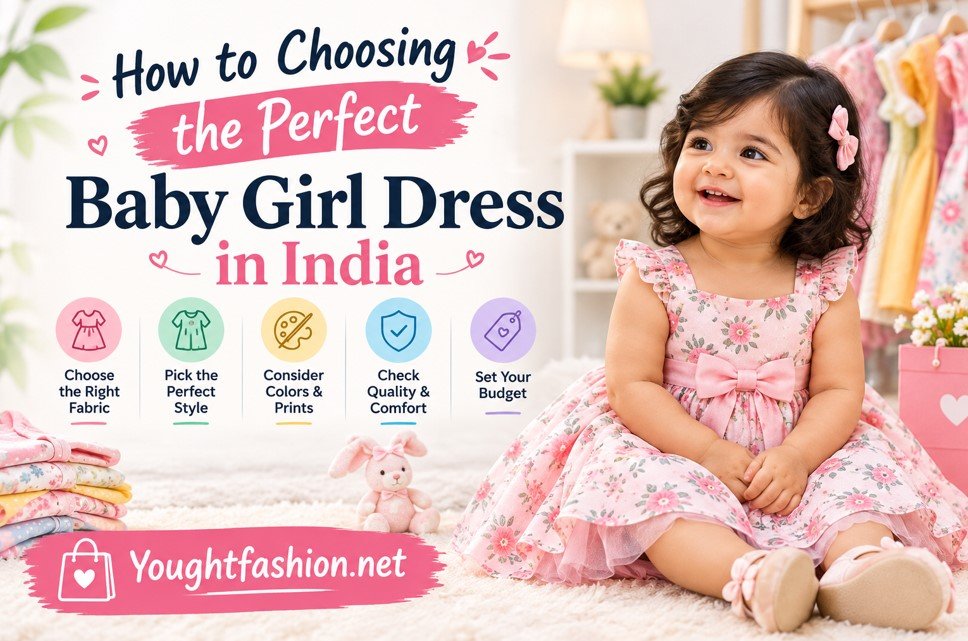
How to Choosing the Perfect Baby Girl Dress in India
Welcoming a newborn or watching your toddler take her first steps brings immense joy. Amidst these milestones, dressing up your little one is a special experience. However, finding the perfect baby girl dress goes far beyond picking the cutest outfit on the rack. In a country like India, with its diverse climate, vibrant festivals, and deep-rooted traditions, buying baby clothes requires thoughtful consideration.
Parents want their children to look adorable, but comfort and safety must always remain the top priorities. A scratchy tag, a tight waistband, or a non-breathable fabric can quickly turn a happy baby into a fussy one. Whether you are shopping for a casual cotton frock for a hot summer day, a glamorous tutu dress for a first birthday, or a traditional lehenga choli for Diwali, understanding the nuances of baby fashion empowers you to make the right choices.
This comprehensive guide covers everything you need to know about selecting, styling, and caring for infant and toddler dresses. From decoding sizing charts to comparing organic fabrics, we provide expert insights to help you build a safe, comfortable, and stylish wardrobe for your baby girl.
Understanding Baby Girl Dress Fabrics
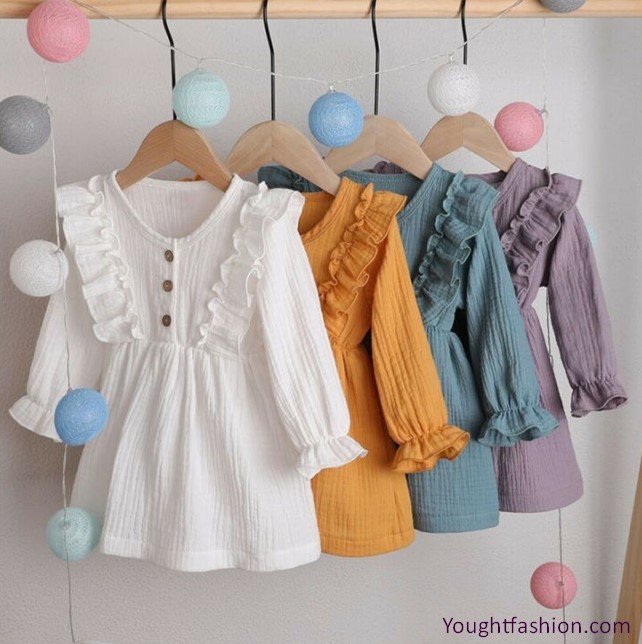
A baby’s skin is up to 30% thinner than an adult’s, making it highly susceptible to rashes, allergies, and irritation. The fabric of a baby girl dress dictates her comfort level throughout the day.
Best Fabrics for Indian Summers
The Indian summer can be unforgiving, characterized by high heat and humidity. During these months, breathability and moisture-wicking properties are non-negotiable.
- Cotton: The undisputed king of baby fabrics. It is highly breathable, absorbs sweat efficiently, and withstands frequent washing.
- Muslin: An incredibly lightweight, loosely woven cotton fabric. Muslin dresses allow maximum airflow, preventing heat rashes. It also becomes softer with every wash.
- Linen: A natural fiber made from the flax plant. While it wrinkles easily, linen is exceptionally cool to the touch and perfect for stylish, casual daywear.
- Bamboo Rayon: Emerging as a popular eco-friendly choice, bamboo fabric is naturally hypoallergenic, thermal-regulating, and incredibly soft against sensitive skin.
Cozy Choices for Winter & Monsoons
When the temperature drops or the monsoon chill sets in, layering becomes essential.
- Fleece: Ideal for light winters, fleece provides warmth without being overly heavy or restrictive.
- Velvet: Perfect for winter parties. Velvet offers a luxurious look while keeping the baby warm. Always ensure the inner lining is made of soft cotton to prevent chafing.
- Merino Wool: If you live in the colder northern regions of India, superfine Merino wool offers excellent insulation. Unlike traditional wool, it does not itch.
Fabrics to Strictly Avoid
Not all materials belong in a baby’s wardrobe. Avoid fabrics that trap heat or contain harmful chemicals.
- 100% Polyester: Unless used as a durable outer layer for winter jackets, direct skin contact with synthetic polyester traps sweat and causes severe diaper rashes or eczema flare-ups.
- Nylon: Similar to polyester, nylon does not breathe.
- Rough Sequined Fabrics: Dresses heavily decorated with cheap sequins or scratchy tulle (often found in low-quality party wear) will irritate your baby’s delicate skin.
Types of Baby Girl Dresses for Every Occasion
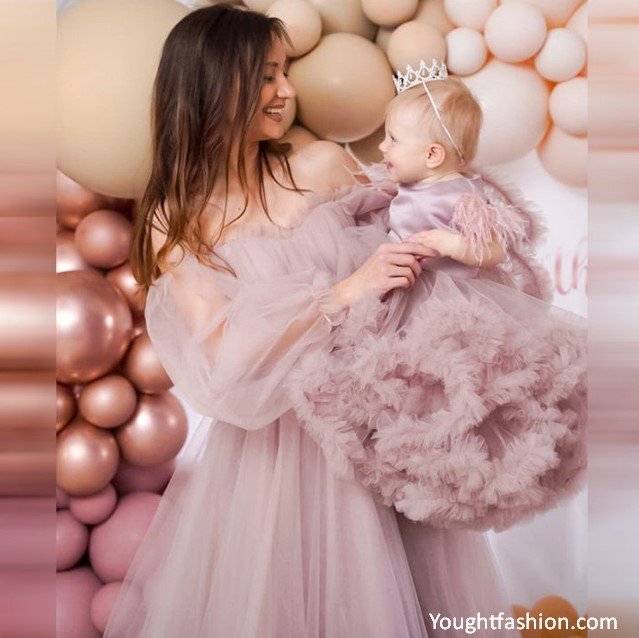
Building a versatile wardrobe means having the right outfit for the right moment. Here is a breakdown of the essential styles every Indian baby girl needs.
Casual Daily Wear
Everyday dresses need to be practical, easy to wash, and fuss-free.
- A-Line Frocks: The classic A-line silhouette is unrestrictive, allowing crawling infants and active toddlers to move freely. Look for envelope necklines or snap buttons for easy dressing.
- Romper Dresses: Combining a standard romper with an attached skirt, this style provides the adorable look of a dress while securely covering the diaper.
- Pinafores: Worn over a simple t-shirt or onesie, pinafores are versatile. You can pair them with half-sleeves in summer or full-sleeves in winter.
Party Wear & Western Styles
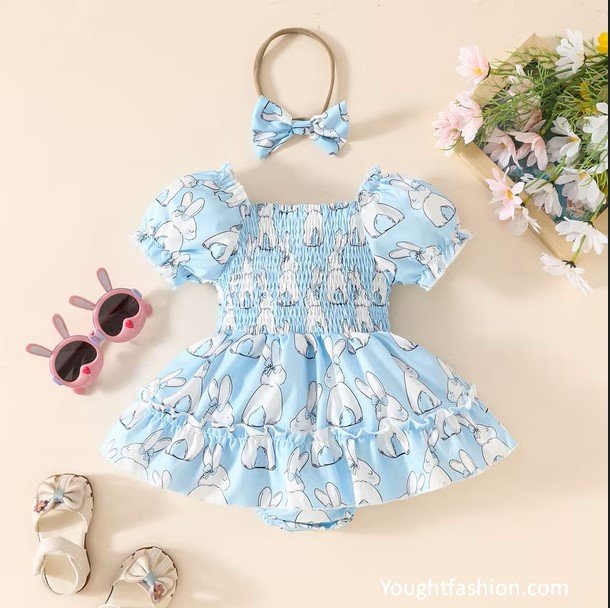
For birthdays, naming ceremonies, or family get-togethers, you want something that stands out.
- Tutu Dresses: Featuring layers of soft tulle, tutu dresses make any baby look like a little ballerina. Always check that the tulle is premium and lined with a soft inner fabric.
- Smocked Dresses: Featuring traditional hand-embroidery across the chest, smocked dresses offer a timeless, vintage aesthetic. They are highly breathable and elastic, accommodating growing babies perfectly.
- Layered Gowns: Ideal for first birthday parties. Opt for gowns with hidden zippers rather than bulky buttons at the back, so the baby can lean back comfortably.
Traditional Indian Ethnic Wear
Indian festivals and weddings demand vibrant ethnic wear. Fortunately, designers now create traditional outfits specifically tailored for infant comfort.
- Lehenga Choli: A miniature skirt and blouse set. Modern baby lehengas use elastic waistbands and omit heavy embroidery in favor of lightweight foil prints or soft thread work.
- Kurta and Sharara Sets: Extremely comfortable for toddlers. The flared pants (sharara) allow plenty of legroom for running and playing.
- Pattu Pavadai: A staple in South India, this traditional silk skirt and blouse set looks incredibly elegant. Premium brands now weave these with softer silk blends to ensure they don’t scratch the baby.
How to Choose the Perfect Size
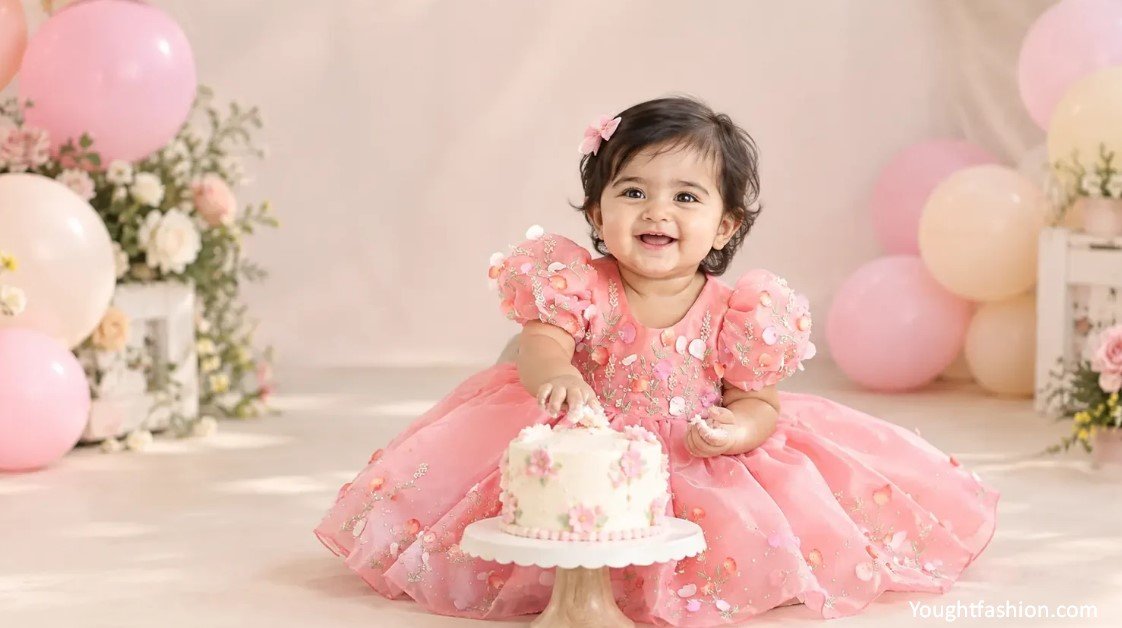
One of the biggest challenges parents face is selecting the right size. Babies grow at astonishing rates, and a dress that fits perfectly today might be too tight in a month.
Reading Age vs. Weight Charts
Never rely solely on the age label printed on a tag. A “6-9 months” label is based on an industry-average baby, but your 6-month-old might be taller or heavier than the average.
Pro Tip: Always look at the brand’s sizing chart and choose based on the baby’s weight and height (in centimeters), rather than their age.
Factoring in Growth and Diapers
- The Diaper Factor: Cloth diapers and heavily padded disposable diapers add bulk to a baby’s bottom. When buying one-piece dresses or rompers, ensure there is enough room in the lower half to accommodate this without pulling at the shoulders.
- Sizing Up: As a general rule, if your baby is between sizes, always size up. You can easily roll up sleeves or use a soft belt, allowing the baby to grow into the outfit.
Crucial Safety Features in Baby Clothing
A beautiful dress is useless if it poses a risk to your child. Safety should dictate every clothing purchase.
Choking Hazards
Babies explore the world through their mouths. Loose items on a dress are severe choking hazards.
- Buttons: Check that all buttons are securely stitched. Avoid dresses with loosely attached decorative buttons.
- Sequins and Beads: Avoid heavily embellished dresses for babies under two years old.
- Drawstrings: Dresses with drawstrings around the neck or waist can pose a strangulation risk. Opt for elastic bands or snap closures instead.
Chemical and Dye Safety
Many cheap garments are processed using harsh chemicals like formaldehyde to prevent wrinkles, or AZO dyes for bright colors. These can cause contact dermatitis.
- Look for the OEKO-TEX Standard 100 certification. This globally recognized label guarantees that the garment has been tested for harmful substances and is entirely safe for human health.
Comparison: Organic Cotton vs. Regular Cotton Dresses
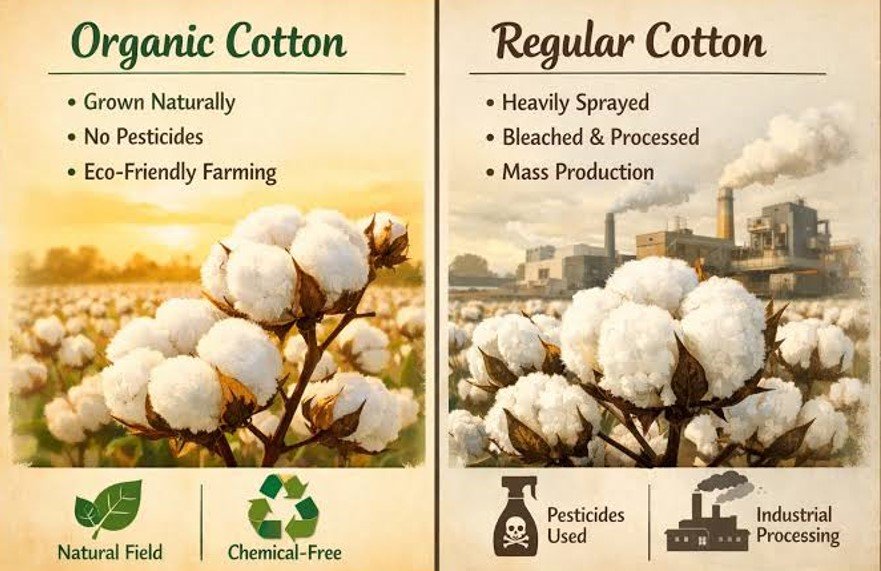
When shopping, you will frequently see “Organic Cotton” heavily marketed. Is it worth the premium price tag? Let’s compare.
| Feature | Organic Cotton | Regular Cotton |
| Farming Method | Grown without synthetic pesticides or fertilizers. | Grown using standard agricultural chemicals. |
| Skin Sensitivity | Hypoallergenic; ideal for eczema-prone skin. | May contain chemical residues that irritate sensitive skin. |
| Fabric Softness | Fibers remain intact, resulting in a much softer feel. | Chemical processing breaks down fibers, making it slightly rougher. |
| Durability | Lasts longer through multiple washes without thinning. | Fibers degrade faster over time. |
| Price Point | Higher upfront cost. | Highly affordable and easily accessible. |
| Environmental Impact | Uses significantly less water and produces lower emissions. | High water consumption and soil degradation. |
Verdict: While regular cotton is perfectly fine for most babies, organic cotton is the superior choice for newborns (0-6 months) or babies with specific skin sensitivities.
Pros and Cons of Ready-Made vs. Custom-Tailored Dresses
In India, getting clothes custom-tailored by a local boutique is a common practice, especially for festive wear. How does it compare to buying off the rack?
Ready-Made Dresses
Pros:
- Instant Gratification: You can buy and use the dress immediately.
- Visualizing the Fit: You know exactly what the final product looks like.
- Easy Returns: Most reputable stores offer hassle-free return policies if the size is wrong.
Cons:
- Generic Sizing: May not fit perfectly if your baby has unique proportions.
- Mass Produced: Higher chance of seeing another child in the exact same dress at a party.
Custom-Tailored Dresses
Pros:
- Perfect Fit: Measurements are taken precisely for your baby.
- Fabric Control: You get to touch and select the exact fabric, lining, and soft threads used.
- Unique Designs: You can create a matching mother-daughter outfit.
Cons:
- Time-Consuming: Requires multiple fittings and takes weeks to finish.
- No Returns: Once cut and sewn, you cannot return the outfit if you dislike the final look.
Smart Shopping: Buying Baby Clothes Online in India
The convenience of online shopping is a blessing for busy parents. However, buying baby girl dresses online requires a strategic approach to avoid disappointment.
Reading Reviews and Customer Photos
Do not just look at the star rating. Dive into the written reviews. Specifically, look for comments about:
- Shrinkage: Does the dress shrink after the first wash?
- Color Bleeding: Do the bright red or indigo dyes bleed in the laundry?
- True to Size: Do parents suggest sizing up or down for this specific brand?
- Customer Images: Professional studio lighting makes any dress look good. Look at photos uploaded by actual buyers to gauge the real color and fabric fall.
Return Policies and Size Guides
Only shop from eCommerce platforms or brand websites that offer a straightforward, no-questions-asked return policy. Always cross-reference the brand’s specific size guide against your baby’s current measurements, keeping a soft measuring tape handy at home.
Care and Maintenance for Delicate Dresses
Baby clothes go through a lot—spit-ups, diaper blowouts, and food spills. Proper maintenance extends the life of these dresses, allowing you to save them as heirlooms or pass them down.
Washing and Stain Removal
- Act Fast: The longer a stain sits, the harder it is to remove. Rinse protein stains (like milk or baby food) immediately with cold water. Hot water will cook the protein into the fabric.
- Use Gentle Detergents: Switch to a mild, liquid baby laundry detergent that is free from optical brighteners, heavy fragrances, and harsh enzymes.
- Skip the Fabric Softener: Liquid fabric softeners leave a chemical coating on clothes that can irritate a baby’s skin and reduce the fabric’s natural breathability.
Storing Heirloom Dresses
For expensive ethnic wear or baptism gowns that you want to preserve:
- Ensure the dress is 100% clean and completely dry. Invisible milk stains will turn yellow and attract pests over time.
- Wrap the dress in acid-free tissue paper.
- Store it in a breathable cotton garment bag, never in a plastic bag, as plastic traps moisture and causes mildew.
Frequently Asked Questions (FAQs)
1. At what age can a baby girl start wearing a dress?
Babies can wear dresses from birth. However, for newborns (0-3 months), gowns with elastic bottoms or soft, wide-neck cotton frocks are best, as they make frequent diaper changes easier and do not irritate the umbilical cord stump.
2. Are zip closures or button closures better for baby dresses?
Snap buttons at the crotch or shoulder are best for daily wear. For party dresses, flat, concealed zippers at the back are ideal because they don’t dig into the baby’s skin when she lies on her back.
3. How many dresses does a baby girl actually need?
For the first year, babies grow rapidly. It is practical to have 7–10 comfortable casual dresses/rompers and 2–3 special occasion outfits per size range (e.g., 3-6 months, 6-9 months).
4. How do I ensure my baby stays warm in a dress during winter?
Layering is key. Pair a summer cotton dress with thick woolen tights or leggings, a long-sleeve bodysuit underneath, and a cozy cardigan on top. This allows you to remove layers if you enter a heated room.
5. Is tulle safe for a baby’s skin?
Direct contact with cheap, stiff tulle can scratch a baby’s skin. If buying a tutu dress, ensure the skirt has a thick, 100% cotton inner lining that acts as a barrier between the tulle and your baby’s legs.
6. What is the safest way to wash heavily embellished Indian ethnic wear?
Dry cleaning is often recommended by manufacturers, but harsh dry-cleaning chemicals aren’t ideal for babies. The safest method is gentle hand-washing in cold water using a mild baby shampoo. Do not wring the fabric; press the water out gently and dry it flat in the shade.
7. Should I wash new baby dresses before the first use?
Absolutely. Always wash new clothes before your baby wears them. Garments go through manufacturing facilities, shipping containers, and warehouses, picking up dust and chemical residues along the way.
8. How do I remove stubborn baby formula stains from a white dress?
Create a paste of baking soda and water, rub it gently into the stain, and let it sit for 30 minutes before washing. For natural bleaching, let the white dress dry outside in direct sunlight.
9. Are headbands safe to pair with baby dresses?
Yes, but they must be wide, incredibly soft, and elastic-free to prevent indentations on the baby’s developing skull. Never leave a baby unattended or let them sleep while wearing a headband, as it can slip down and pose a suffocation risk.
10. Why do some baby dresses feature envelope necklines?
Envelope necklines feature overlapping fabric at the shoulders. This brilliant design allows you to pull the dress down over the baby’s body instead of over her head—a lifesaver during a messy diaper blowout!
Conclusion
Shopping for a baby girl dress is an incredibly delightful experience that combines fashion, function, and a lot of love. Whether you are navigating the humid Indian summers with breathable muslin frocks or preparing for a vibrant family wedding with a soft-lined lehenga, prioritizing your child’s comfort ensures that she not only looks beautiful but feels happy, too.
Remember to prioritize natural, breathable fabrics like cotton and bamboo, pay close attention to safety features by avoiding loose hazards, and always read sizing charts carefully to accommodate sudden growth spurts and bulky diapers. By applying the insights from this guide, you will be well-equipped to curate a wardrobe that lets your little girl explore the world safely, comfortably, and in undeniable style.
Happy shopping, and enjoy dressing up your beautiful little one!