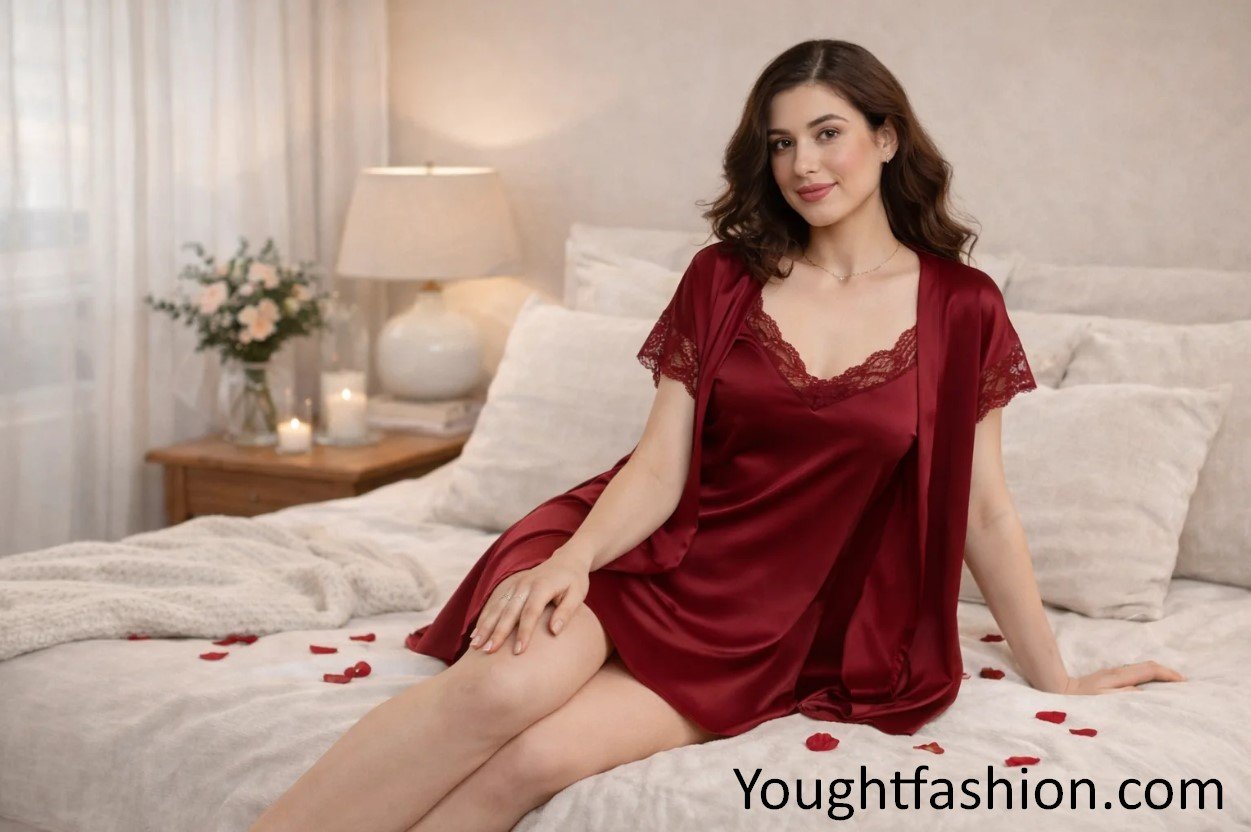
Choosing the Perfect Night Dress for Women in India 2026
We spend roughly one-third of our lives sleeping, yet many of us overlook the importance of what we wear to bed. A high-quality night dress for women is no longer just a piece of clothing; it is a vital tool for achieving restorative sleep, maintaining skin health, and promoting overall well-being.
In a diverse and climate-varied country like India, selecting the right sleepwear requires more than just picking a pretty design. You must consider fluctuating temperatures, fabric breathability, skin sensitivity, and cultural comfort. Whether you are dealing with the scorching heat of a May afternoon in Delhi or the chilly December nights in Shimla, your sleepwear dictates your comfort level.
This comprehensive guide will walk you through everything you need to know about women’s nightwear. From understanding different fabrics and decoding styles for specific body types to practical buying tips, you will learn how to make an informed, comfortable choice that elevates your nighttime routine.
The Evolution of Women’s Sleepwear in India
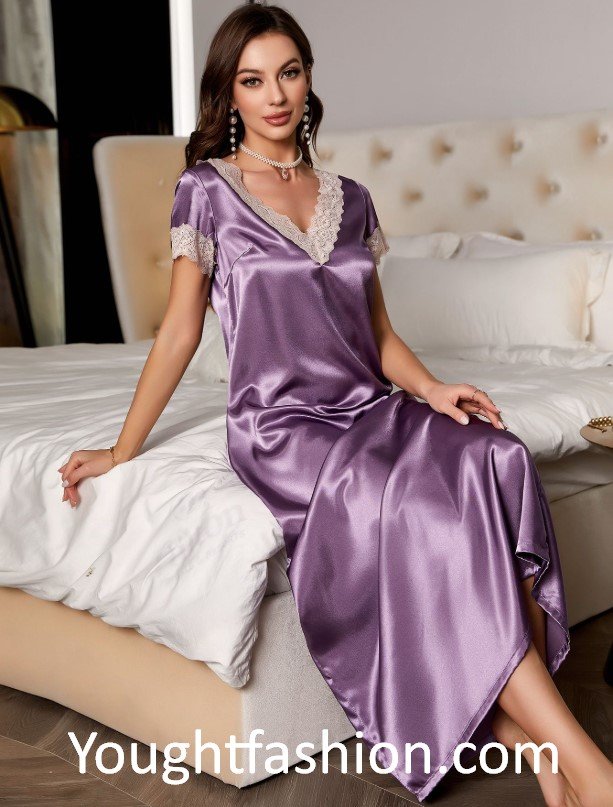
The concept of dedicated sleepwear has transformed drastically over the decades. Historically, Indian women preferred wearing loose traditional garments, such as older, softened cotton sarees or relaxed salwar kameez suits, to bed. These garments offered familiarity and modesty but lacked the tailored comfort necessary for deep sleep.
In the late 20th century, the classic cotton nighty (a long, flowing gown) became a household staple across the subcontinent. It provided maximum airflow and complete modesty, making it the default choice for women in joint families.
Today, the market has expanded exponentially. Modern women view sleepwear as an extension of their personal style. The rise of work-from-home culture has further blurred the lines between sleepwear and loungewear. As a result, modern wardrobes now feature versatile pajama sets, chic kaftans, and luxurious satin robes, proving that comfort and fashion can seamlessly coexist.
Why Choosing the Right Night Dress Matters

Investing in the right night dress is not a luxury; it is a necessity for your physical and mental health. Here is why your choice of sleepwear is critical:
- Temperature Regulation: Your body temperature naturally drops as you fall asleep. The right fabric helps maintain this optimal temperature, preventing you from waking up shivering or drenched in sweat.
- Skin Health: Tight clothing or synthetic materials trap moisture and heat, leading to friction, body acne, and skin irritation. Breathable nightwear allows your skin to breathe and repair itself overnight.
- Psychological Shift: Putting on a specific night dress acts as a psychological cue for your brain. It signals that the workday is over and it is time to relax, helping you fall asleep faster.
- Unrestricted Movement: We toss and turn dozens of times a night. Sleepwear with elastic blends or relaxed fits prevents the fabric from twisting and restricting your blood circulation.
Popular Types of Night Dresses for Women

The modern market offers an overwhelming variety of silhouettes. Understanding the distinct purpose of each style will help you build a functional sleepwear wardrobe.
The Classic Cotton Nighty (Maxi Dress)
The traditional long nighty remains an undisputed champion of Indian sleepwear. Featuring a relaxed A-line silhouette, it usually falls to the ankles.
- Best For: Everyday wear, conservative households, and hot summer nights.
- Features to Look For: Deep pockets, front buttons for nursing mothers, and side slits for better leg movement.
Pajama Sets (Top and Bottom)
A matching top and bottom set provides a structured yet comfortable fit. They come in two main variations: shorts sets for summer and full-length trouser sets for winter.
- Best For: Lounging around the house, weekend mornings, and traveling.
- Features to Look For: Drawstring waists (better than tight elastic), notch-collar button-down tops, and relaxed fits around the hips.
Kaftans (The Loungewear Trend)
Originally a Middle Eastern garment, the kaftan has taken the Indian sleepwear market by storm. It features a loose, flowing structure with wide sleeves and a cinched or relaxed waist.
- Best For: Multipurpose wear. You can wear a kaftan to sleep, lounge, or even answer the door without feeling underdressed.
- Features to Look For: Adjustable waist ties, breathable modal or cotton fabrics, and vibrant, mood-lifting prints.
Short Nightdresses and Babydolls
These are shorter, more fitted garments usually ending above the knee. Babydolls often feature lace detailing, empire waistlines, and delicate straps.
- Best For: Romantic getaways, honeymoons, or extremely hot and humid coastal climates.
- Features to Look For: Adjustable shoulder straps, soft lace that does not scratch the skin, and built-in bust support.
Sleep Shirts
Imagine an oversized, ultra-soft men’s button-down shirt designed specifically for a woman’s body. Sleep shirts usually end mid-thigh and offer supreme casual comfort.
- Best For: Minimalists who hate the restriction of pants but want a modern, chic look.
- Features to Look For: Curved hemlines, drop shoulders, and breathable linen or cotton blends.
Robes and Wrap Dresses
While not strictly meant for sleeping, a robe is a vital layering piece. You wear it over a slip dress or pajama set during your morning routine.
- Best For: Getting ready, stepping out of the shower, or adding warmth during winter mornings.
- Features to Look For: Inner security ties (to keep the robe from slipping open), deep pockets, and attached belts.
Read More: Bodycon Dress – Latest Trends, Styles & Outfit Ideas
Choosing the Best Fabric for Indian Climates
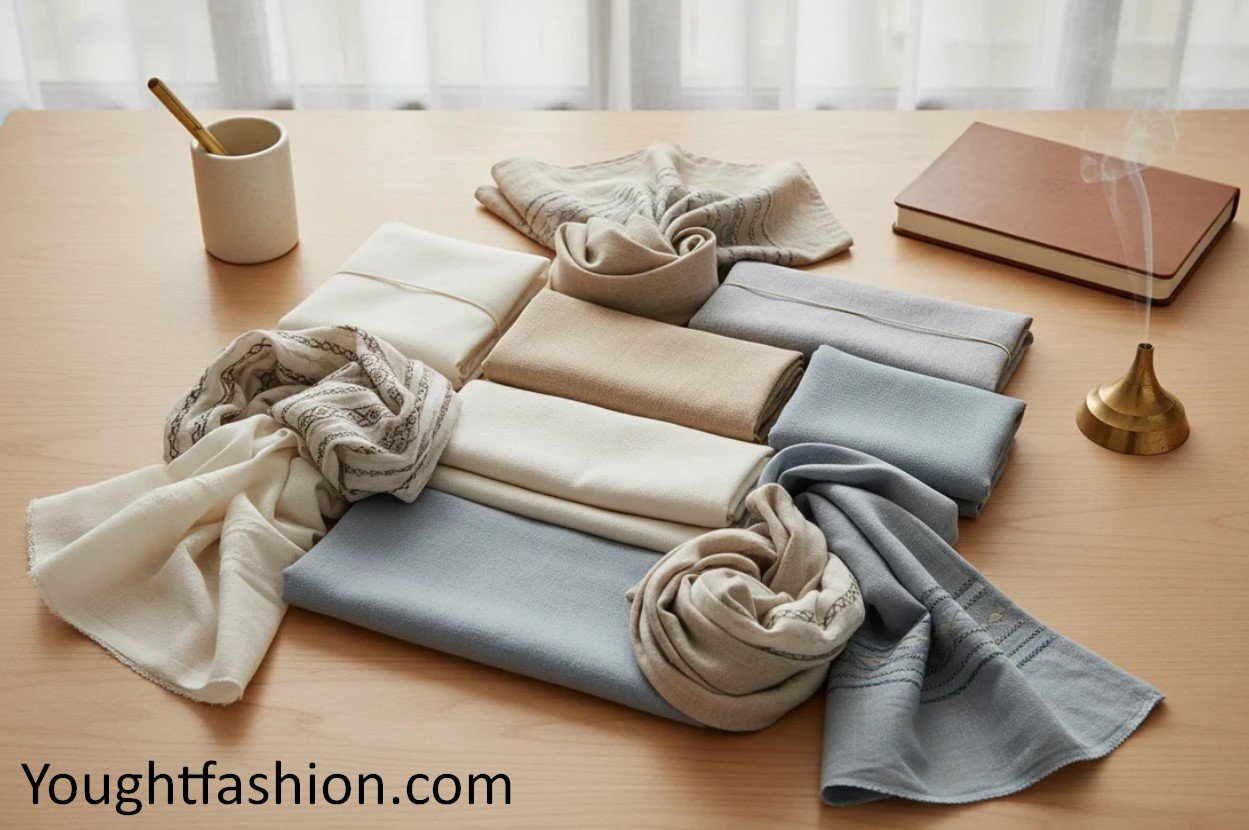
The fabric of your night dress for women dictates 90% of its comfort level. Always align your fabric choice with your local climate and personal body temperature.
Cotton: The Summer Savior
Cotton is the king of sleepwear in India. It is highly breathable, hypoallergenic, and highly absorbent.
- Why it works: It wicks sweat away from your body, making it ideal for cities with harsh summers like Chennai, Delhi, or Ahmedabad.
- Expert Tip: Look for hosiery cotton (which has a slight stretch) or cambric cotton for maximum durability.
Satin and Silk: For Luxurious Comfort
Silk is a natural protein fiber that regulates temperature beautifully, keeping you cool in summer and warm in winter. Satin is a weave that can be made from silk, polyester, or nylon.
- Why it works: The smooth texture creates zero friction against your skin and hair.
- Expert Tip: Always opt for silk or high-quality blended satin. Cheap polyester satin will trap heat and cause intense sweating.
Rayon and Modal: The Breathable Blends
Modal is a type of rayon made from beech tree pulp. It is incredibly soft, drapes beautifully, and is 50% more water-absorbent than cotton.
- Why it works: It feels like a second skin. It is perfect for humid climates like Mumbai or Kolkata because it resists pilling and stays soft after multiple washes.
- Expert Tip: Modal mixed with a tiny percentage of spandex offers the perfect stretch for restless sleepers.
Fleece and Flannel: Winter Warmth
Flannel is a loosely woven fabric that traps heat in its air pockets. Fleece is a synthetic alternative offering immense warmth without heavy weight.
- Why it works: Essential for North Indian winters. It provides cozy insulation against freezing temperatures.
- Expert Tip: Choose 100% cotton flannel over synthetic blends to ensure your skin can still breathe while staying warm.
How to Select the Perfect Night Dress for Your Body Type
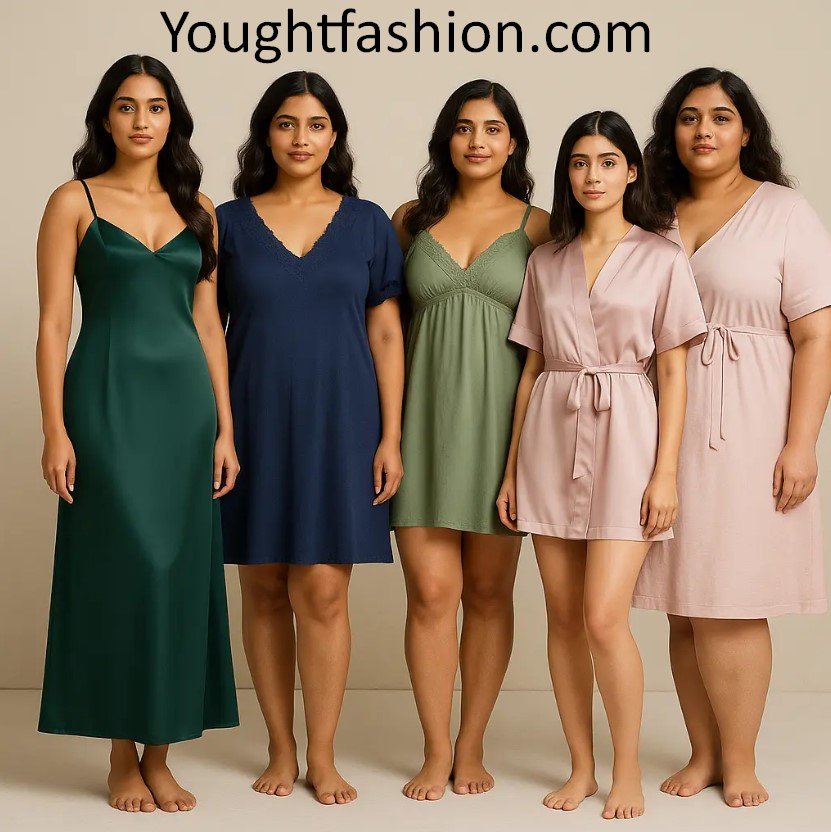
Comfort is paramount, but wearing a silhouette that flatters your natural body shape can boost your confidence, even at bedtime.
Apple Shape
If you carry most of your weight around your midsection with slimmer arms and legs:
- What to wear: Empire-waist nightgowns, sleep shirts, and A-line chemises.
- Why: These styles flow away from the stomach, preventing constriction and offering a relaxed, breezy fit.
Pear Shape
If your hips and thighs are wider than your bust and shoulders:
- What to wear: Kaftans, fit-and-flare nighties, and pajama sets with dark-colored bottoms and printed tops.
- Why: These styles balance your proportions by drawing attention to your upper body while providing ample room for your hips to move comfortably.
Hourglass Shape
If your bust and hips are well-balanced with a defined waist:
- What to wear: Satin slip dresses, wrap robes, and tailored pajama sets with a tucked-in look.
- Why: Wrap styles naturally highlight your defined waistline without feeling restrictive.
Rectangle Shape
If your bust, waist, and hips have relatively uniform measurements:
- What to wear: Babydolls with ruffles, short sets with bold prints, and nightdresses with lace detailing at the bust.
- Why: These designs create an illusion of curves and add dimension to a straight silhouette.
Learn More: Perfect Party Wear Dress for Women
Comparison Table: Top Nightwear Styles
Use this quick-reference table to find the perfect style for your specific needs.
| Nightwear Style | Best Climate | Key Benefit | Style Quotient | Ideal For |
| Cotton Nighty | Hot & Dry | Maximum airflow, modest | Low-Medium | Everyday home wear |
| Pajama Set | All-Season | Structured comfort, versatile | High | Lounging, WFH, Travel |
| Kaftan | Hot & Humid | Non-restrictive, breezy | Very High | Multipurpose lounging |
| Satin Slip/Babydoll | Mild/AC Rooms | Frictionless, elegant | Very High | Romantic settings |
| Sleep Shirt | Warm | Minimalist, unrestrictive | High | Casual, modern living |
| Flannel Set | Cold Winter | High insulation, cozy | Medium | Cold winter nights |
Pros and Cons of Different Sleepwear Styles
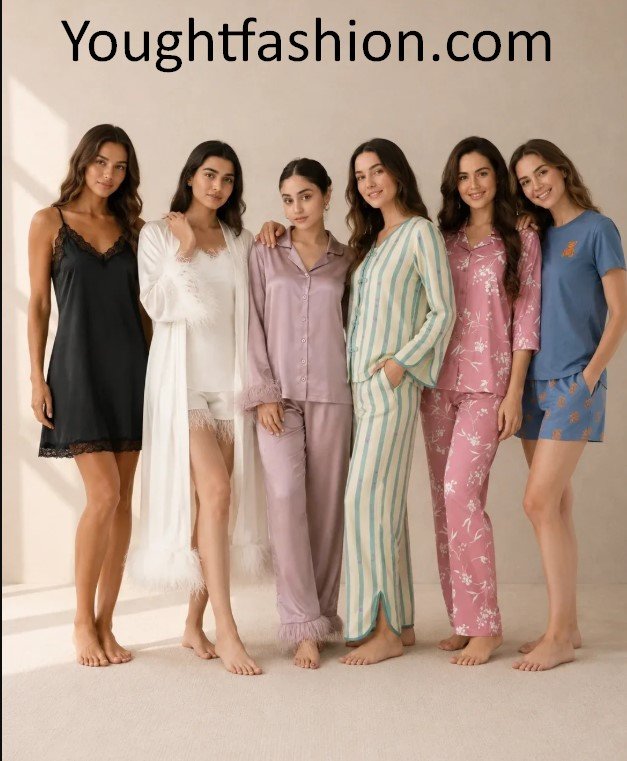
Making an informed decision means understanding both the advantages and the limitations of each garment.
1. The Classic Nighty
- Pros: Exceptional airflow, highly modest around family, extremely forgiving fit.
- Cons: Can ride up or tangle around your legs if you toss and turn frequently.
2. Pajama Sets
- Pros: Keeps legs warm, great for lounging during the day, looks put-together.
- Cons: The waistband can feel tight or uncomfortable if the elastic is too rigid.
3. Satin Babydolls
- Pros: Aesthetically pleasing, lightweight, zero skin friction.
- Cons: Often lacks adequate bust support, not suitable for cold weather, synthetic satin can cause sweating.
4. Kaftans
- Pros: Ultimate freedom of movement, very trendy, transitions well to daytime loungewear.
- Cons: The excess fabric on the sleeves can get in the way during household chores like cooking or washing up.
Essential Buying Guide: What to Look For Before You Buy

Do not just look at the price tag and the color. Keep these crucial factors in mind when shopping for a night dress.
- Inspect the Seams: Sleepwear should have soft, flat seams. Bulky or rough overlock stitching will dig into your skin when you lie on your side, causing deep marks and discomfort.
- Check the Waistband: Never buy pajama bottoms with thin, exposed elastic. Always look for encased elastic or wide, adjustable drawstrings. These distribute pressure evenly across your waist.
- Dyes and Chemicals: Since sleepwear touches your bare skin for 8 hours, ensure the brand uses azo-free, non-toxic dyes. Cheap dyes can cause severe allergic contact dermatitis.
- Tagless Designs: A scratchy neck tag can ruin a good night’s sleep. Opt for brands that print the care instructions directly onto the fabric.
- Nursing and Maternity Needs: If you are expecting or nursing, look for night dresses with deep front buttons, hidden zippers, and empire waistlines that accommodate a growing belly.
- Sizing Up: As a general rule of thumb, always buy your nightwear one size larger than your daytime clothes. Sleepwear needs extra room for natural body expansion during rest.
Care and Maintenance Guide for Your Nightwear

Proper care extends the lifespan of your garments, keeps the fabric soft, and prevents bacterial buildup.
- Washing Frequency: Wash pajamas and nighties after 2 to 3 wears. However, if you sweat heavily at night, wash them after every single use to prevent bacterial acne.
- Temperature Matters: Always wash cotton and modal nightwear in cold water. Hot water breaks down the elastic and shrinks natural cotton fibers.
- Detergent Choice: Use a mild, liquid detergent. Powdered detergents can leave scratchy residue in the fibers. Avoid heavy fabric softeners; they coat the fabric in wax, ruining its natural breathability.
- Drying: Dry your dark and printed night dresses in the shade. Direct Indian sunlight will fade vibrant colors rapidly and make cotton feel stiff and scratchy.
- Delicates Care: Hand wash your silk, satin, and lace babydolls. If you must use a machine, place them inside a mesh laundry bag and use the gentle/delicate cycle.
Frequently Asked Questions (FAQs)
1. What is the best fabric for a night dress in summer?
For Indian summers, pure hosiery cotton, cambric cotton, and modal are the best choices. These fabrics are highly porous, allow maximum air circulation, and quickly absorb sweat, keeping your skin cool and dry throughout the night.
2. Can I wear satin nightwear daily?
Yes, you can wear satin daily, provided it is high-quality silk-satin or a breathable rayon-satin blend. Avoid cheap polyester satin for daily wear, as it is essentially plastic. It traps body heat and sweat, which can lead to body odor and back acne.
3. How often should I wash my night dress?
Ideally, you should wash your sleepwear after 2 to 3 uses. During peak summers or humid monsoons, it is highly recommended to wash them daily to eliminate dead skin cells, body oils, and sweat buildup.
4. What is the difference between a babydoll and a nighty?
A nighty is typically a long, modest, A-line gown designed for everyday practical comfort. A babydoll is a short, loose-fitting nightgown (often ending mid-thigh), usually featuring a fitted bust, lace trims, and delicate straps, designed more for aesthetic appeal and romance.
5. Are kaftans good for sleeping?
Yes, kaftans are excellent for sleeping, especially in hot and humid weather. Their loose, unrestrictive silhouette allows for exceptional airflow. Just ensure you choose a knee-length or mid-calf kaftan to prevent the fabric from tangling around your legs while tossing and turning.
6. How loose should a night dress be?
Your nightwear should be loose enough to allow you to stretch your arms and legs completely without any fabric pulling at the seams. You should be able to slide two fingers easily under any waistband or sleeve cuff.
7. What is maternity or nursing nightwear?
Maternity nightwear is designed with extra fabric around the midsection to accommodate a baby bump. Nursing nightwear features strategic openings—like deep button-down fronts, overlapping fabric panels, or hidden zippers—allowing mothers to breastfeed easily during the night without removing the garment.
8. Does wearing the right night dress improve sleep?
Absolutely. Your body needs to drop its core temperature slightly to initiate deep REM sleep. Wearing breathable, comfortable sleepwear facilitates this temperature regulation, preventing mid-night awakenings caused by overheating or restrictive discomfort.
9. How do I remove sweat stains from cotton nightwear?
To remove yellowish sweat stains, mix equal parts of white vinegar and water. Soak the stained area for 30 minutes before washing it with cold water and a mild detergent. Avoid using harsh chemical bleach, as it weakens cotton fibers.
10. Which nightwear is best for a honeymoon?
For a honeymoon, pack a mix of styles. Include luxurious satin slip dresses, lace-trimmed babydolls, and a matching silk robe for romantic evenings. Do not forget to pack a comfortable, stylish modal pajama set for relaxed mornings and lounging on the balcony.
Conclusion
Choosing the perfect night dress for women is an investment in your health, comfort, and peace of mind. By prioritizing the right fabrics like breathable cotton and soft modal, respecting your local climate, and understanding your unique body type, you can transform your nightly routine from a basic necessity into a luxurious ritual.
Remember, the ultimate goal of sleepwear is to eliminate physical distractions so your body can fully rest and recover. Whether you prefer the nostalgic comfort of a classic maxi nighty, the structured chicness of a pajama set, or the breezy freedom of a kaftan, prioritize soft seams, relaxed fits, and breathable materials. Upgrade your sleepwear drawer today, and experience the profound difference it makes to your quality of sleep.
Read More: Organza Saree: Latest Indian Designs, Colours & Fashion Trends