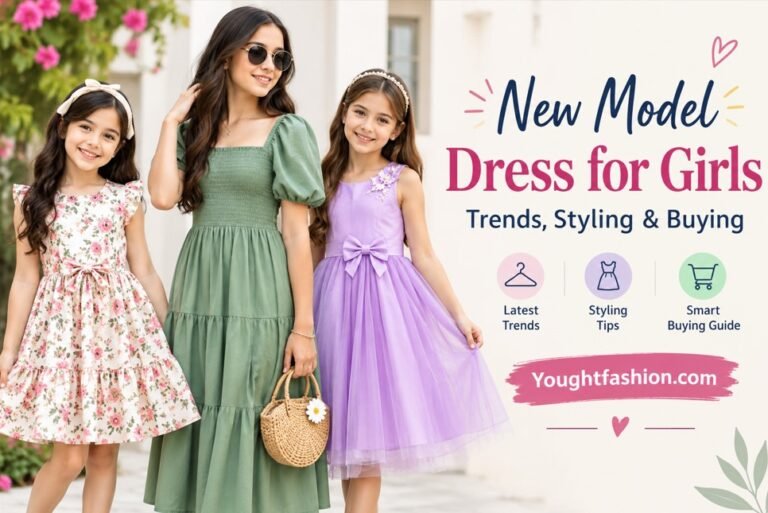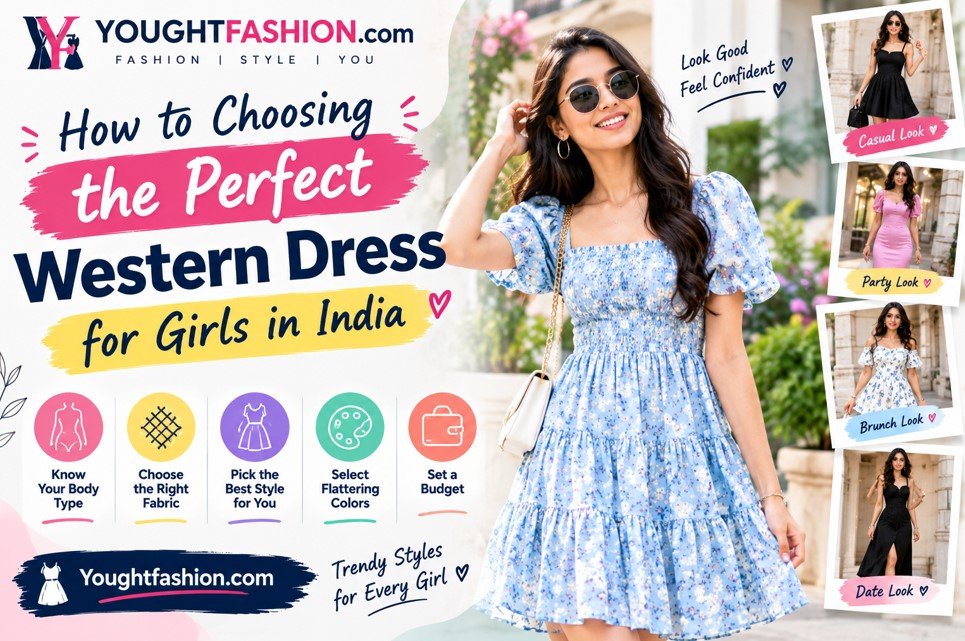
How to Choosing the Perfect Western Dress for Girls in India
The fashion landscape in India has evolved dramatically over the last decade. While traditional clothing holds a special place during festivals, everyday fashion demands comfort, mobility, and modern aesthetics. Finding the perfect western dress for girls is no longer just about picking a random outfit off the rack. It involves understanding fabrics suited for the Indian climate, selecting styles that offer freedom of movement, and finding pieces that reflect a child’s unique personality.
Whether you are shopping for a casual playdate, a birthday party, or a family vacation, western wear offers unmatched versatility. This comprehensive guide will walk you through everything you need to know about girls’ western clothing. From identifying the most popular styles to mastering the sizing charts, you will learn how to make smart, stylish, and comfortable wardrobe choices for your little one.
Why Western Dresses are a Wardrobe Essential
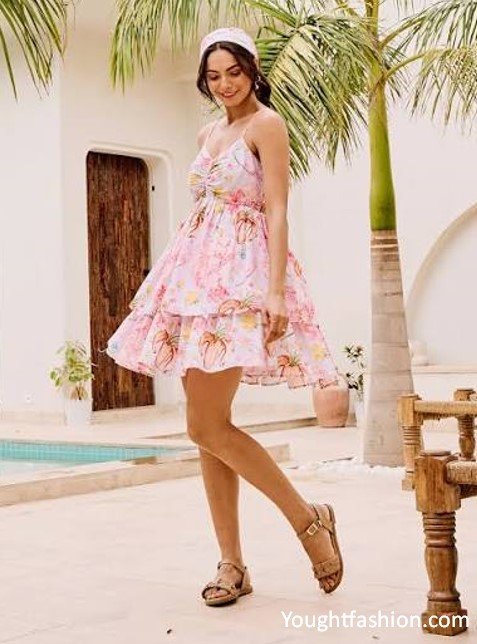
In today’s fast-paced world, children need clothing that keeps up with their active lifestyles. A western dress for girls provides the perfect blend of functionality and contemporary style.
First, western outfits prioritize mobility. Unlike heavy ethnic wear, dresses like skater skirts, rompers, and A-line midis allow girls to run, jump, and play without restriction.
Second, western wear is incredibly versatile. A simple denim dress can be paired with sneakers for a casual day out or styled with a sparkly belt and ballet flats for an evening event. This adaptability makes these garments highly cost-effective, as they can be worn repeatedly across different settings.
Finally, western fashion allows for self-expression. With thousands of prints, from floral and polka dots to abstract geometric patterns, girls can choose outfits that match their moods and interests. As global fashion trends reach India faster than ever, young girls want to dress like their favorite characters, pop stars, and fashion icons.
Top Styles of Western Dresses for Girls
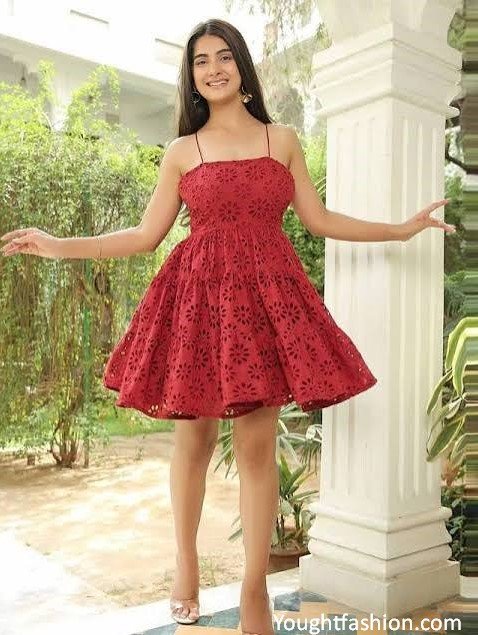
Building a versatile wardrobe requires a mix of different silhouettes. Here are the most popular styles of western dresses that every girl should have in her closet.
1. A-Line Dresses
The A-line dress is a classic silhouette that fits snugly at the shoulders and gently flares out toward the hem, resembling the letter “A”. This style flatters all body types and offers a comfortable fit. It is perfect for both casual outings and school events.
2. Maxi Dresses
Maxi dresses are floor-length or ankle-length garments that offer an elegant, flowy look. They are ideal for summer evening parties, beach vacations, or family dinners. When buying a maxi dress, look for lightweight materials like georgette or chiffon that will not weigh the child down.
3. Skater Dresses
Known for their fitted bodice and flared, circle skirt, skater dresses are incredibly popular among young girls. They offer a fun, playful vibe and look fantastic when girls twirl. These are usually made from stretchy, breathable fabrics like cotton blends or spandex, making them great for active days.
4. Denim Dresses
Denim is a timeless fabric that never goes out of style. A denim western dress for girls can range from a structured shirt dress to a cute pinafore. Denim is highly durable, hides stains well, and is perfect for the transitional weather during Indian winters.
5. Jumpsuits and Rompers
While technically not a traditional “dress,” jumpsuits (long legs) and rompers (short legs) fall firmly into the western wear category. They are one-piece garments that offer the look of a dress with the practicality of pants or shorts. They are excellent for playground activities where skirts might get in the way.
6. Shirt Dresses
Inspired by oversized button-down shirts, this style is casual, chic, and very comfortable. A shirt dress usually features a collar, buttons down the front, and a tie at the waist. It pairs beautifully with canvas sneakers for a smart-casual look.
7. Peplum Dresses
Peplum dresses feature a short, gathered strip of fabric attached at the waist, creating a flared ruffle. This adds a layer of sophistication and volume, making peplum styles a top choice for birthday parties and formal gatherings.
Choosing the Right Fabric for the Indian Climate
India experiences diverse weather conditions, from scorching summers to humid monsoons and chilly winters. Selecting the appropriate fabric is crucial for ensuring comfort.
Summer Fabrics
When temperatures soar in cities like Delhi or Chennai, breathability is your top priority.
- Cotton: The ultimate summer savior. It is hypoallergenic, highly breathable, and absorbs sweat instantly.
- Linen: A lightweight fabric that dries quickly and keeps the body cool. It wrinkles easily but offers a chic, relaxed look.
- Rayon: A semi-synthetic fiber that feels like silk but breathes like cotton. It drapes beautifully for summer maxi dresses.
Monsoon Fabrics
During the humid and rainy months, you need fabrics that resist moisture and dry fast.
- Polyester Blends: While pure polyester can be uncomfortable, high-quality blends resist wrinkles, do not hold onto water, and dry rapidly.
- Nylon Blends: Excellent for outdoor play during unpredictable weather, as nylon repels water naturally.
Winter Fabrics
For cooler regions or the winter months in North India, retaining body heat is essential.
- Velvet: Offers a luxurious, plush feel that is perfect for winter party wear.
- Corduroy: A thick, ribbed cotton fabric that is highly durable and provides excellent warmth for casual winter outfits.
- Wool Blends: Knitted sweater dresses are a massive trend, keeping girls warm without requiring bulky layers.
Occasion-Based Styling Guide
Knowing how to style a western dress for girls based on the event ensures your child always looks appropriate and feels confident.
Casual Playdates and Everyday Wear
For everyday activities, prioritize comfort over complex designs. Choose cotton rompers, T-shirt dresses, or simple A-line dresses. Avoid clothes with heavy sequins or complicated zippers. Pair these outfits with slip-on sneakers or comfortable sandals. Keep hair accessories minimal—a simple headband or hair ties work best.
Birthday Parties and Celebrations
Parties call for a bit of flair. Opt for tulle dresses, sequined bodice skater dresses, or rich velvet gowns. Bright colors like magenta, teal, or classic pastel pinks work wonderfully. Elevate the look with metallic ballet flats, a matching sling bag, and delicate hair clips.
Vacations and Beach Trips
When traveling, especially to coastal areas like Goa or Kerala, pack light, airy clothing. Floral maxi dresses, sleeveless cotton shifts, and denim dungarees are perfect. Pair these with wide-brimmed hats, sunglasses, and waterproof flip-flops or Crocs.
Formal School Events or Dinners
For more structured environments, lean towards smart-casual styles. A collared shirt dress, a knee-length pleated dress, or a tailored pinafore over a crisp white tee gives a polished appearance. Match these with Mary Jane shoes and neat braids.
Comparison: Western Dresses vs. Traditional Indian Wear
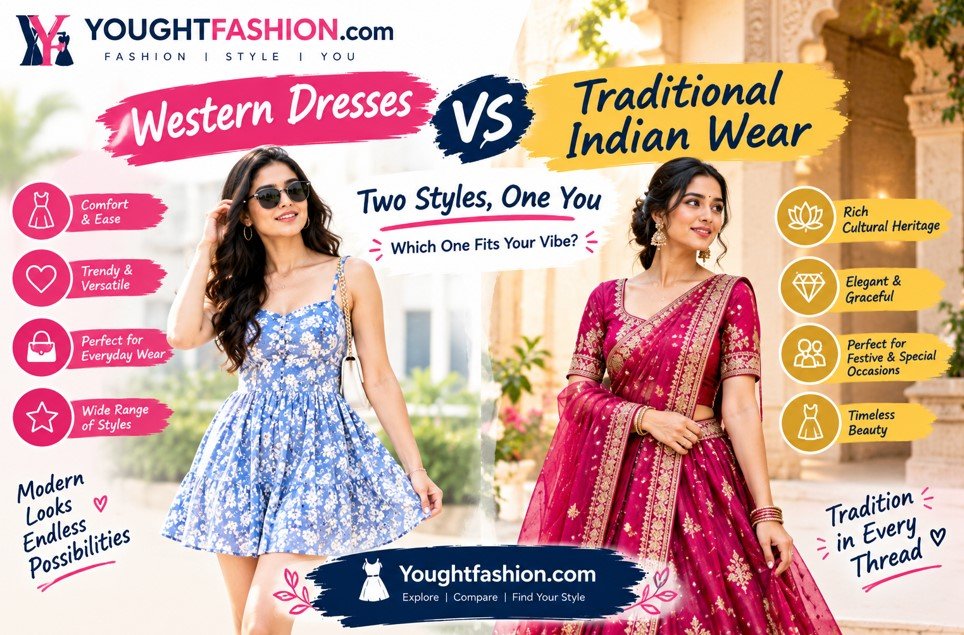
Both styles have their place in a modern wardrobe. Here is a quick comparison to help parents decide when to choose which.
| Feature | Western Dresses | Traditional Indian Wear (Lehengas, Kurtis) |
| Comfort & Mobility | Very high; allows unrestricted movement. | Moderate; often heavier and restrictive. |
| Best Occasions | Casual wear, birthdays, vacations, playdates. | Weddings, Diwali, Pujas, ethnic day at school. |
| Maintenance | Easy to machine wash and dry. | Often requires dry cleaning or delicate hand washing. |
| Weather Suitability | Highly adaptable (cotton for summer, knits for winter). | Can be heavy and hot during peak Indian summers. |
| Cost-Per-Wear | Excellent; can be worn frequently. | Lower; usually reserved for specific special events. |
Pros and Cons of Western Wear for Girls
Before overhauling your child’s wardrobe, it is helpful to weigh the advantages and potential drawbacks of western clothing.
Pros:
- Ease of Wearing: Most western dresses feature simple zippers, elastic bands, or pull-on designs, allowing older girls to dress themselves easily.
- Global Appeal: Western designs align with international fashion trends, ensuring your child looks modern and stylish.
- Durability: Fabrics like denim and heavy cotton blends withstand rough outdoor play better than delicate silks or chiffons used in ethnic wear.
- Layering Potential: A simple summer dress can easily transition to winter wear by adding a turtleneck underneath and a denim jacket on top.
Cons:
- Fast Fashion Lifespan: Trendy western pieces can go out of style quickly compared to timeless traditional garments.
- Sizing Variations: Sizes can vary wildly between European, American, and Indian brands, making online shopping slightly tricky without a size chart.
- Not Always Culturally Appropriate: In some highly traditional Indian family gatherings, purely western wear might be considered too casual.
Sizing Guide: How to Find the Perfect Fit
A poorly fitted dress can ruin the look and cause discomfort. Here is how to ensure you buy the perfect size when shopping for a western dress for girls in India.
Measure Accurately
Never rely entirely on age tags (e.g., “7-8 Years”). Children grow at different rates. Use a soft measuring tape to find three key measurements:
- Chest: Measure under the arms, around the fullest part of the chest.
- Waist: Measure around the natural waistline, usually just above the belly button.
- Length: Measure from the top of the shoulder down to the knee or ankle, depending on the dress style.
Read Size Charts carefully
If buying online, always cross-reference your measurements with the specific brand’s size chart. A size “Medium” for an Indian brand like Allen Solly Junior might differ significantly from a “Medium” at H&M.
Leave Room for Growth
Children hit growth spurts unexpectedly. When in doubt between two sizes, size up. You can always use a stylish belt to cinch a slightly loose waist, but you cannot fix a dress that is too tight across the shoulders.
Must-Have Accessories to Complete the Look
An outfit is never complete without the right accessories. However, when styling children, safety and comfort must come first.
- Footwear: Ditch high heels for kids. Invest in good quality white canvas sneakers (they go with everything), metallic ballet flats for parties, and sturdy sandals for everyday wear.
- Hair Accessories: Keep an assortment of scrunchies, embellished headbands, and snap clips. Avoid heavy metallic tiaras that can cause headaches.
- Bags: Little girls love carrying their own things. A small, lightweight crossbody sling bag or a sequined mini-backpack adds a fun, functional element to a western outfit.
- Outerwear: A cropped denim jacket or a soft pastel cardigan is essential. They add a layer of style while protecting against harsh AC indoors or sudden evening chills.
- Belts: A thin, braided leather belt can instantly give shape to a loose, flowy tunic or A-line dress.
Top Brands for Girls’ Western Wear in India
The Indian market is flooded with excelle
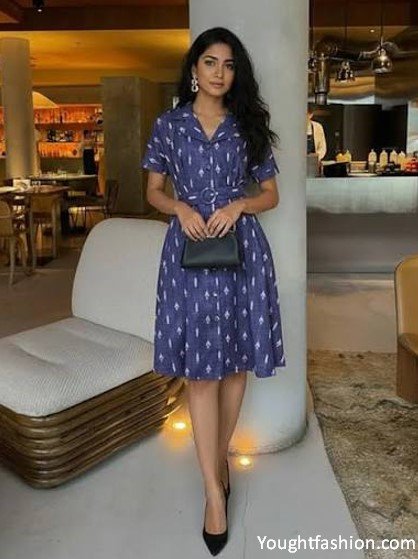
nt brands offering high-quality western clothing for girls. Here are some trusted names:
- H&M Kids: Known for highly trendy, affordable fast-fashion pieces. Excellent for everyday basics, skater dresses, and winter knits.
- Zara Kids: The go-to for chic, sophisticated European designs. Zara is perfect for formal shirt dresses and elegant party wear.
- Mothercare: While famous for baby clothes, their toddler and young girls’ section offers incredibly soft, durable cotton dresses ideal for sensitive skin.
- Allen Solly Junior: A fantastic Indian brand offering preppy, smart-casual western wear. Their A-line dresses and pinafores are highly durable.
- Gini & Jony: A legacy Indian brand that understands the exact fit and fabric requirements for Indian children, offering a mix of denim and casual wear.
- Nauti Nati: An excellent choice for vibrant, playful party dresses with lots of tulle, sequins, and bold prints.
Care and Maintenance Tips
To ensure your child’s western dresses last long enough to be handed down to younger siblings, follow these maintenance tips:
- Read the Labels:
Always check the care tag. While most cotton dresses are machine washable, dresses with sequins, tulle, or embroidery often require gentle hand washing.
- Turn Inside Out:
Before washing printed or embellished dresses, turn them inside out. This protects the colors from fading and prevents beads or sequins from snagging on other clothes.
- Use Mild Detergents:
Children’s skin can be sensitive, and harsh chemicals degrade fabric fibers. Use a mild, liquid detergent and avoid heavy bleaching agents.
- Air Dry When Possible:
The harsh heat of a tumble dryer can shrink cotton and ruin the elasticity of stretchy fabrics. Line dry dresses in the shade to preserve their shape and vibrant colors.
- Iron with Care:
Never iron directly over prints, nylon, or tulle. Use a low-heat setting or place a cotton cloth over the garment before ironing to prevent burning the fabric.
Frequently Asked Questions (FAQs)
1. What is the best fabric for a western dress for girls in summer?
Pure cotton is always the best choice for Indian summers. It is lightweight, absorbs sweat, and allows the skin to breathe. Linen and rayon are also excellent, lightweight alternatives for summer wear.
2. Can western dresses be worn to traditional Indian events?
Yes, if styled correctly! This is where “Indo-Western” fusion comes in. A western maxi dress paired with heavy ethnic silver jewelry and a block-printed scarf can look incredibly appropriate and stylish for festive gatherings.
3. How do I choose the right dress length for a toddler?
For toddlers (ages 1-3), avoid floor-length maxi dresses as they are a tripping hazard. Stick to knee-length or mid-thigh dresses (like skater or A-line styles) that allow them to crawl, walk, and run safely.
4. Are jumpsuits better than dresses for active girls?
Jumpsuits and rompers are excellent for highly active girls who love to climb and play sports, as they provide the coverage of pants while maintaining the stylish look of a single-piece garment.
5. How often should I replace my child’s everyday dresses?
Children grow fast. Typically, you will need to size up every 6 to 12 months. However, buying high-quality fabrics ensures the clothes won’t tear or fade before the child outgrows them.
6. What shoes look best with a denim dress?
Denim dresses are incredibly versatile. For a sporty look, pair them with white canvas sneakers. For a slightly dressier vibe, tan ankle boots or brightly colored ballet flats work perfectly.
7. Is online shopping safe for kids’ clothing in India?
Yes, platforms like Myntra, Amazon India, and FirstCry have excellent return policies. However, always check the exact measurements on the brand’s size chart rather than relying solely on the age tag before placing an order.
8. How do I remove stubborn food stains from cotton dresses?
Pre-treat the stain immediately with a mixture of baking soda and water, or a gentle liquid stain remover. Let it sit for 15 minutes before washing it in cold water. Never use hot water on a fresh stain, as it will set the discoloration into the fabric.
9. Are synthetic fabrics safe for children?
While pure synthetic fabrics like 100% polyester can trap heat and cause rashes in humid weather, high-quality synthetic blends (like cotton-polyester) are safe, highly durable, and resist wrinkling.
10. What is the difference between an A-line and a skater dress?
An A-line dress gradually widens from the shoulders or waist down to the hem in a straight, structured line. A skater dress has a very fitted bodice and a circular skirt that flares out dramatically, creating a wavy, flowy effect.
Conclusion
Choosing the right western dress for girls does not have to be a daunting task. By understanding the different styles available—from breezy summer maxi dresses to playful denim pinafores—you can easily build a wardrobe that reflects your child’s personality while keeping them comfortable.
Always prioritize breathable fabrics suited to the Indian climate, measure carefully to ensure the perfect fit, and do not be afraid to experiment with fun accessories. Whether you are shopping for a glamorous birthday outfit or durable everyday playwear, the world of girls’ western fashion is full of endless, stylish possibilities. Start exploring these trends today, and help your little girl step out in confidence and comfort!