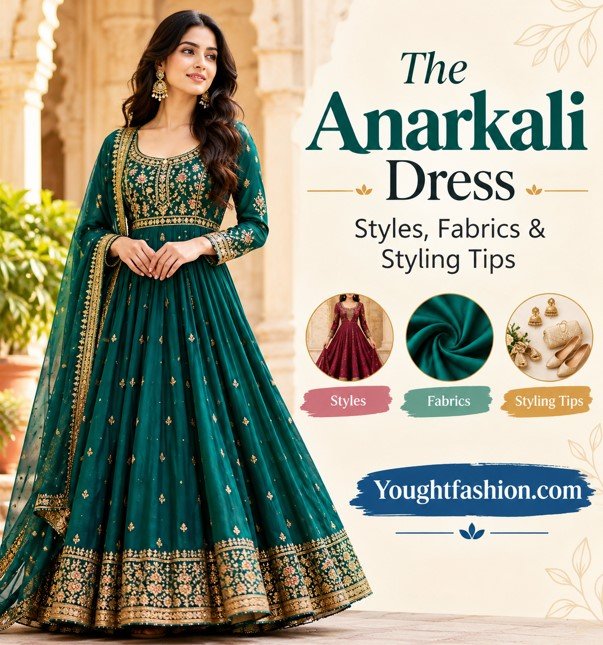
The Anarkali Dress: Styles, Fabrics & Styling Tips
The Anarkali dress is more than just a piece of clothing; it is a symbol of royal heritage, elegance, and timeless fashion. Originating from the Mughal era, this stunning silhouette has evolved into a modern wardrobe essential for women across India and the globe. Whether you are attending a grand wedding or looking for comfortable everyday ethnic wear, the Anarkali offers unmatched grace.
Unlike fleeting fashion trends, the Anarkali suit has held its ground for decades. Its universally flattering shape, characterized by a fitted bodice and a dramatically flared skirt, makes it a favorite among fashion enthusiasts. Today, designers are constantly reinventing this classic, blending traditional embroidery with contemporary cuts.
In this comprehensive guide, we will explore the history of the Anarkali, the latest trending styles, how to choose the right one for your body type, and expert tips to style it perfectly.
What is an Anarkali Dress?
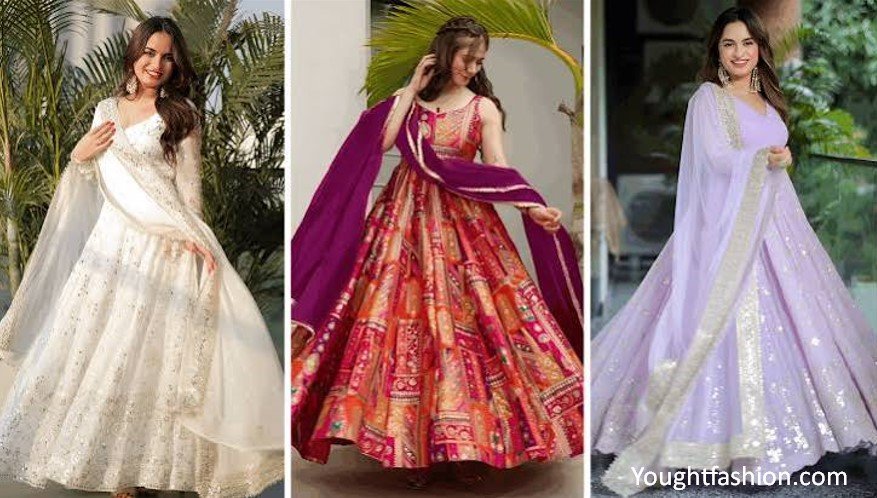
An Anarkali dress or suit is a traditional Indian outfit composed of three main parts:
- The Kameez (Top): A long, frock-style top that fits tightly around the bust and waist, then flares out dramatically toward the hem.
- The Bottom: Traditionally paired with a fitted churidar (tapered pants that gather at the ankles). Modern variations also use palazzos, skirts, or even straight-cut trousers.
- The Dupatta: A long scarf draped over the shoulders or chest, adding a layer of elegance and modesty.
The defining feature of this dress is the “kalis” (panels). These triangular pieces of fabric are stitched together to create the signature umbrella-like flare. A standard Anarkali might have 8 to 16 kalis, while heavy bridal versions can feature up to 50 kalis for maximum volume.
A Glimpse into the Royal History
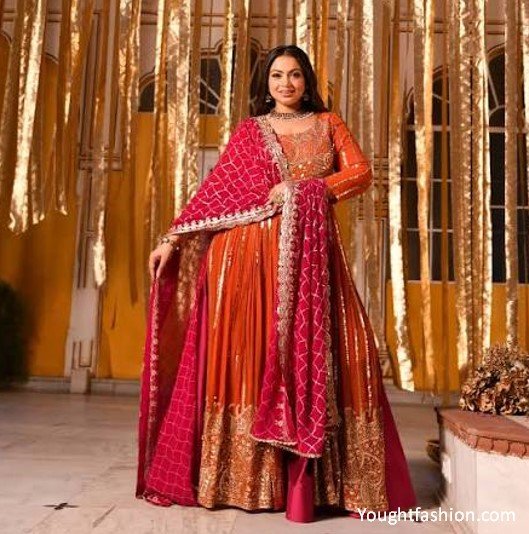
The name “Anarkali” literally translates to “pomegranate blossom.” The dress owes its name to the legendary courtesan Anarkali, who lived in the court of the Mughal Emperor Akbar. Known for her breathtaking beauty and captivating dance, she wore flowing, panelled dresses that twirled gracefully with her movements.
During the Mughal era, royal women wore these majestic garments crafted from rich silks, velvets, and brocades. They were heavily embroidered with real gold and silver threads (Zari and Zardozi work).
Decades later, Bollywood revived the trend. The iconic movie Mughal-e-Azam (1960), featuring Madhubala in a stunning Anarkali suit, cemented this outfit’s place in Indian pop culture. Today, it represents a perfect bridge between historical grandeur and modern comfort.
Why the Anarkali Suit Remains a Wardrobe Staple
Fashion trends come and go, but the Anarkali has proven its staying power. Here is why every Indian woman owns at least one:
- Universally Flattering: The fitted top and flared bottom create an illusion of a slimmer waist while hiding heavy hips and thighs.
- Extreme Versatility: You can wear a simple cotton Anarkali to work and a heavy velvet one to a wedding.
- High Comfort Level: Unlike heavy lehengas or tightly draped sarees, an Anarkali allows for easy movement and breathability.
- Ageless Appeal: It looks equally stunning on a teenager attending a college fest and a grandmother attending a family pooja.
Top 10 Trending Styles of Anarkali Dresses
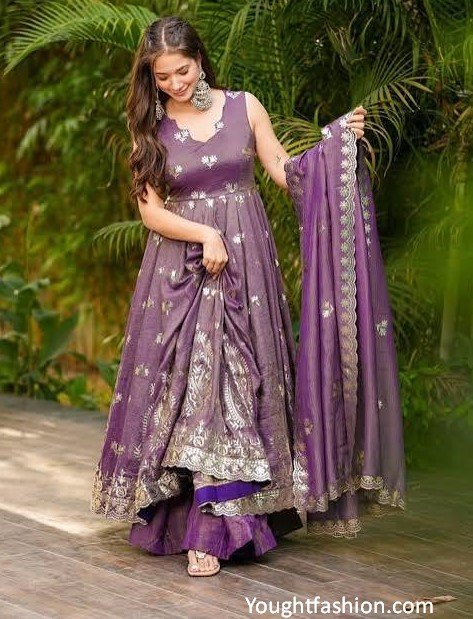
The fashion industry has experimented endlessly with this silhouette. Here are the top 10 styles currently dominating the Indian fashion scene.
1. The Classic Cotton Anarkali
For daily wear and office settings, the cotton Anarkali is unmatched. It usually features block prints, floral motifs, or simple Chikankari embroidery. These are breathable, lightweight, and incredibly comfortable for India’s hot summers.
2. The Bridal Anarkali
Brides who want a break from traditional lehengas often choose a heavy bridal Anarkali dress. These floor-length gowns are drenched in intricate Kundan, Zardozi, and sequin work. They offer the grandeur of a lehenga without the hassle of managing a heavy skirt.
3. Cape-Style Anarkali
A modern fusion piece, this style replaces the traditional dupatta with an attached or detachable sheer cape. It gives a very contemporary, red-carpet-ready look, perfect for cocktail parties and reception nights.
4. Jacket-Style Anarkali
This style features a long or short embroidered jacket worn over the flared kurti. The jacket adds structure and a regal touch. You can easily remove the jacket to create a simpler, secondary look.
5. Angrakha Anarkali
Inspired by the royal musicians of Rajasthan, the Angrakha style features an overlapping front panel tied at the side with traditional tassels (latkans). It adds a beautiful ethnic charm and breaks the monotony of the standard round neck.
6. Floor-Length Anarkali Gown
Blurring the lines between Western gowns and Indian ethnic wear, the floor-length Anarkali touches the ground entirely, hiding the bottom wear. It is ideal for formal evening events and sangeet ceremonies.
7. Asymmetrical Anarkali
For the experimental fashionista, asymmetrical hemlines (high-low cuts) offer a fun twist. The front is slightly shorter, showing off patterned trousers or a beautiful pair of heels, while the back cascades down gracefully.
8. Pakistani Style Anarkali
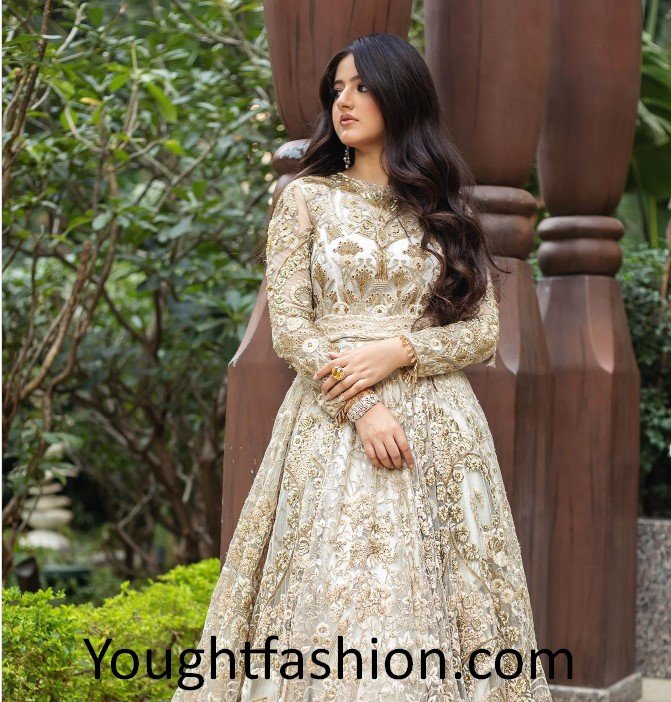
Known for their relaxed fit and straight cuts, Pakistani Anarkalis have a gentler flare. They rely heavily on intricate thread work, lace borders, and pastel color palettes, offering a very sophisticated and understated elegance.
9. Tiered or Ruffled Anarkali
Drawing inspiration from bohemian fashion, these dresses feature horizontal tiers or ruffles that add immense volume. They are playful, dramatic, and perfect for mehendi or haldi functions.
10. Silk and Brocade Anarkali
Woven in rich textiles like Banarasi silk, these outfits need minimal embroidery because the fabric itself is a masterpiece. They exude a traditional, vintage charm and are excellent for winter weddings.
How to Choose the Perfect Anarkali for Your Body Type
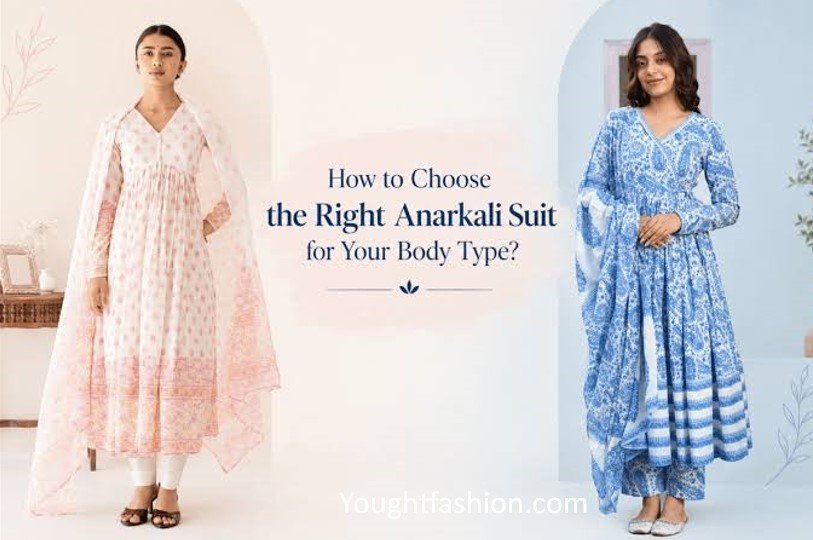
The secret to looking flawless in an Anarkali is choosing a cut that complements your natural body shape.
For the Pear Shape (Heavy Hips and Thighs)
If you carry most of your weight in your lower body, the Anarkali is your best friend. Choose A-line Anarkalis with a flare that starts right from the natural waist. Avoid heavy embroidery on the hemline; instead, keep the focus on a heavily embroidered neckline and sleeves.
For the Apple Shape (Heavy Bust and Midriff)
If you carry weight around your midsection, avoid stiff fabrics like organza or raw silk, which add bulk. Opt for soft, flowy fabrics like georgette or chiffon. V-necklines work wonders for you. Choose Empire-waist Anarkalis, where the flare begins just beneath the bust, gracefully skimming over the stomach.
For the Hourglass Shape (Defined Waist)
If your bust and hips are well-proportioned with a narrow waist, you can pull off almost any style. However, to highlight your curves, choose Anarkalis that cinch tightly at the natural waist. Plunging necklines and fitted churidars will look exceptional on you.
For the Rectangle Shape (Straight Up and Down)
If you lack defined curves, you want an Anarkali that creates the illusion of volume. Choose tiered Anarkalis, heavy fabrics like raw silk, or jacket-style dresses. An Angrakha cut can also help create a faux waistline.
For Petite Women (Shorter Frame)
If you are short, avoid floor-length gowns with massive flares, as they can swallow your frame. Opt for a moderate flare that ends at the calf or ankle. Monochromatic outfits (top and bottom in the same color) create an unbroken vertical line, making you appear taller. V-necks and U-necks also elongate the neck.
Anarkali Fabric Guide: What to Wear and When
Choosing the right fabric is crucial. It dictates how the dress drapes, how comfortable you feel, and whether the outfit suits the occasion.
- Cotton: Best for daily wear, office wear, and summer days. Extremely breathable but requires ironing.
- Georgette and Chiffon: These fabrics drape beautifully and fall flat against the body, making you look slimmer. Ideal for evening wear, cocktail parties, and humid weather.
- Silk: Exudes luxury and stiffness. It holds the flare well and is perfect for traditional weddings, pujas, and winter festivals.
- Velvet: Very heavy and warm. Velvet Anarkalis are strictly meant for winter weddings. The rich texture makes jewel tones (emerald, burgundy, navy) pop beautifully.
- Net / Tulle: Used primarily for bridal or heavy party wear. It allows for intricate embroidery and creates a very fluffy, princess-like flare.
Styling Your Anarkali Suit Like a Pro
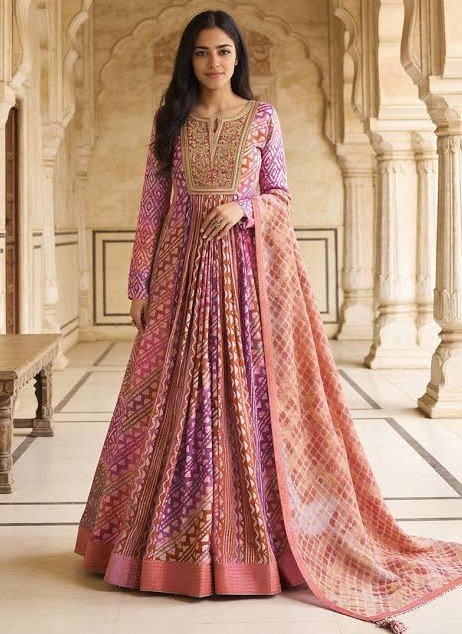
Even the most beautiful dress can fall flat without the right styling. Here is how to elevate your Anarkali look.
1. Jewelry Selection
Your jewelry should complement, not compete with, your neckline.
- High Neck/Mandarin Collar: Skip the necklace. Wear heavy chandelier earrings or Chaandbalis.
- Deep U or V Neck: A stunning choker set or a layered Kundan necklace works perfectly.
- Boat Neck: A long oxidized silver chain or simple stud earrings look best.
Don’t forget traditional touches like a Maang Tikka (forehead jewelry) or a delicate nose ring for festive occasions.
2. Footwear
Because Anarkalis have so much fabric, your shoes need to provide balance and height.
- Heels: Wedges, block heels, or stilettos are highly recommended. They elevate the flare and prevent the hem from dragging.
- Flats: If you must wear flats, opt for embellished Juttis or Kolhapuris. These add an authentic ethnic vibe.
3. Dupatta Draping Styles
How you wear your dupatta completely changes your silhouette.
- One-Shoulder Drape: Pin the dupatta elegantly on one shoulder and let it fall freely. This works great for heavily embroidered tops.
- Neck Drape: Let the dupatta rest naturally around the front of your neck, falling over both shoulders. Ideal for simple cotton suits.
- Waist Belt Drape: Drape the dupatta across your chest and secure it at the waist with an embellished ethnic belt (Kamarbandh). This accentuates the waist beautifully.
4. Makeup and Hair
For daytime events, stick to soft, dewy makeup with pastel lips and a loose braid or open beach waves. For night events, a classic red lip, winged eyeliner, and a sleek low bun wrapped in gajra (jasmine flowers) will give you a timeless Mughal look.
Care and Maintenance Tips
Anarkali dresses, especially festive ones, represent a significant investment. Proper care ensures they last for years.
- Dry Cleaning Only: Always dry clean heavy fabrics like silk, velvet, or anything with Zari, mirror, or sequin work. Washing them at home can ruin the embellishments and shrink the fabric.
- Proper Storage: Never hang heavy Anarkalis on a hanger for long periods; the weight of the skirt will stretch the shoulder fabric. Instead, fold them neatly in muslin cloth bags to allow the fabric to breathe and prevent yellowing.
- Keep Away from Perfume: Never spray perfume directly onto an embroidered Anarkali. The chemicals can cause gold or silver threads to tarnish and turn black.
- Ironing: Use a low-heat setting. Always iron the garment inside out, especially if it has prints or embroidery. For velvet, use a steamer instead of a direct iron.
Anarkali Dress vs. A-Line Suit: What’s the Difference?
While they look similar to the untrained eye, Anarkalis and A-Line suits have distinct structural differences.
| Feature | Anarkali Dress | A-Line Suit |
| Construction | Made of stitched panels (kalis). | Cut in a continuous straight A-shape. |
| Volume & Flare | High volume, umbrella-like flare. | Moderate flare, skims the body. |
| Fitting | Very tight till the waist/bust, then flares out. | Gradually widens from the armholes down. |
| Occasion | Weddings, grand parties, festivals. | Office wear, casual outings, semi-formal. |
| Vibe | Royal, dramatic, traditional. | Minimalist, modern, practical. |
Pros and Cons of Wearing an Anarkali Dress
Before investing in a heavy piece, consider these practical pros and cons.
Pros:
- Provides high comfort and ease of movement compared to sarees or heavy lehengas.
- Flattering for almost all body types, as it hides the midriff and hips.
- Incredibly versatile—can be dressed up or down with accessories.
- You don’t have to worry about a perfectly flat stomach; the flare is forgiving.
Cons:
- Floor-length Anarkalis can be difficult to manage outdoors, especially during monsoons.
- They require significant storage space in your wardrobe due to the high volume of fabric.
- Heavy bridal Anarkalis can be quite heavy to wear for extended periods.
Frequently Asked Questions (FAQs)
1. Can short girls wear Anarkali suits?
Yes, absolutely! Short girls should opt for moderate flares rather than massive umbrella cuts. Choose a length that hits mid-calf or right at the ankle. Monotone colors (same color from head to toe) and V-necklines create an illusion of height. Always pair the dress with heels.
2. What bottom wear goes best with an Anarkali?
Traditionally, fitted churidar pants are the best match. However, modern trends allow pairing them with straight-cut pants, palazzos, or even long ethnic skirts for added drama. If it is a floor-length Anarkali gown, the bottom wear usually remains invisible.
3. How do I make my Anarkali look puffy?
To achieve a voluminous, princess-like flare, you need to wear a can-can skirt underneath. Can-can is a stiff net fabric that pushes the Anarkali outward. Many heavy bridal Anarkalis come with a pre-stitched layer of can-can inside.
4. Which fabric is best for a slimming effect?
If you want to look slimmer, opt for soft, fluid fabrics like georgette, chiffon, or crepe. These fabrics drape closely to the body without clinging, creating a sleek vertical line. Avoid stiff fabrics like organza, tissue, or thick brocade, as they add unnecessary bulk.
5. Can I wear an Anarkali for a casual outing?
Yes. Choose a simple cotton or linen Anarkali with minimal prints and no heavy embroidery. Pair it with comfortable flats or juttis and skip the heavy dupatta. It makes for an incredibly chic and comfortable daytime outfit.
6. Are Anarkali suits still in fashion?
Yes, they are a timeless classic in Indian ethnic wear. While specific elements like sleeve lengths or necklines change with trends, the core Anarkali silhouette remains a permanent fixture in fashion weeks and bridal wear collections.
7. How many Kalis should a good Anarkali have?
A standard casual Anarkali usually has 8 to 12 kalis. A party-wear suit might have 16 to 24 kalis. High-end bridal Anarkalis can have anywhere from 32 to over 50 kalis to create a majestic, sweeping flare.
8. What is the difference between an Anarkali and an Angrakha?
An Anarkali is defined by its flared panels (kalis) and symmetrical structure. An Angrakha is defined by its neckline—it features an asymmetric, overlapping front panel tied to one side of the chest or waist. However, the two styles are often combined to create an “Angrakha-style Anarkali.”
9. Can pregnant women wear Anarkali dresses?
Anarkalis are actually one of the best ethnic options for pregnant women. An Empire-waist Anarkali, where the flare starts just under the bust line, sits comfortably over a baby bump without causing any restriction or tightness around the stomach.
10. How should I store a heavy bridal Anarkali?
Never hang it, as the heavy border will stretch the garment out of shape. Fold it gently, place tissue paper between the folds to protect the embroidery, and store it in a breathable cotton or muslin bag. Keep it in a dry, cool place away from direct sunlight.
Conclusion
The Anarkali dress is the undisputed queen of Indian ethnic wear. Its rich history, dating back to the majestic Mughal era, continues to influence its modern iterations. Whether you are seeking a breezy cotton suit for a summer day in the office or a heavily embellished velvet gown for a winter wedding, there is an Anarkali out there waiting for you.
By understanding your body type, choosing the right fabrics, and mastering a few simple styling tricks, you can elevate this classic outfit to new heights. The Anarkali is not just a passing trend—it is an investment in timeless elegance that you will cherish in your wardrobe for decades to come.